

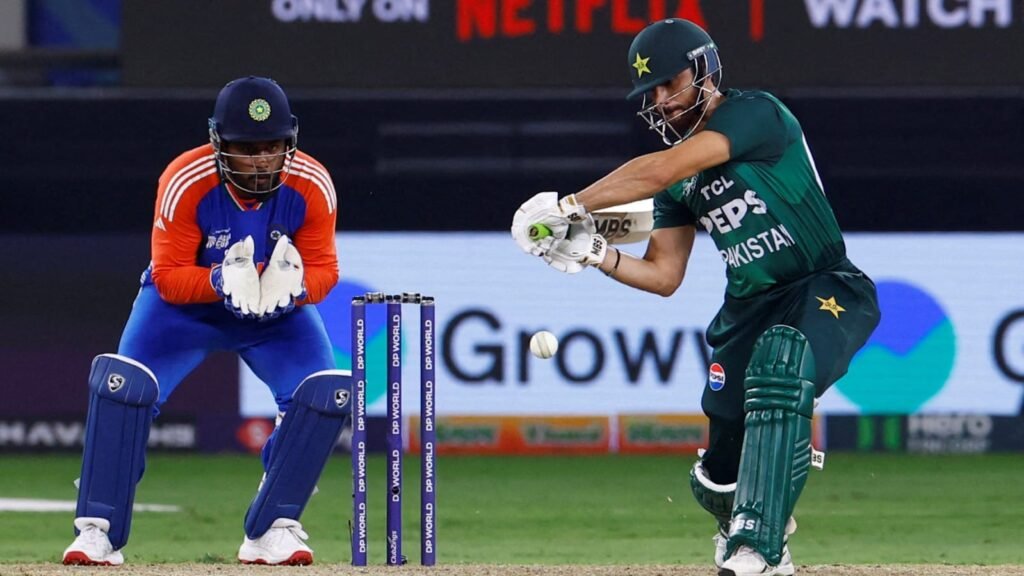
By the time the sun rose over Texas, long before the first ball was bowled in the much-anticipated T20 World Cup encounter between Pakistan and India, members of the Pakistani diaspora were already on the move. In cities such as Houston and Dallas, alarms rang earlier than usual. For many, it was a day off. For others, it meant sacrificing precious hours of sleep. Yet the pull of cricket — especially a Pakistan-India contest — proved stronger than comfort.
Restaurants adjusted their opening hours. Community halls were rearranged overnight. Café owners installed large projection screens, tested sound systems and decorated their spaces with green-and-white flags. In some venues, entire walls were draped in Pakistani colours. Families arrived together — grandparents wrapped in shawls, parents carrying trays of snacks, children waving miniature flags. The atmosphere was electric, almost festive. It felt less like a casual watch party and more like a collective ritual tied deeply to identity and pride.
For overseas Pakistanis, such matches are rarely just about sport. Living thousands of miles away from home often intensifies emotional connections to national symbols, and cricket sits at the centre of that sentiment. The rivalry with India, layered with history and competitive drama, carries additional weight. Conversations before the match were filled with optimism. Some fans predicted a breakout performance. Others expressed hope that recent setbacks would be erased on this grand stage.
However, as the game progressed, the mood began to shift.
What started as cheers and rhythmic chants gradually turned into uneasy silence. Missed opportunities, fragile partnerships and lapses in execution sparked murmurs among the crowd. In Dallas, where several venues hosted mixed gatherings of both Pakistani and Indian supporters, the tension was palpable. At first, friendly banter filled the air. But as Pakistan’s position weakened, some Pakistani fans chose to step outside or quietly gather near the exits.
By the time the outcome seemed unavoidable, a noticeable number had already left. A few admitted later that they preferred to avoid the uncomfortable aftermath of defeat in front of jubilant rival supporters. It was not hostility they feared, but the sting of disappointment in shared spaces where pride had been so publicly displayed only hours earlier.
In Houston, the response took a slightly different form. While the frustration was equally visible, the tone quickly turned analytical. Groups clustered around tables, dissecting individual performances and questioning decisions. The conversation shifted from emotional reaction to pointed critique.
One recurring theme was team selection. Several attendees expressed dissatisfaction with the choices made by the management. The omission of players such as Khawaja Nafay and Salman Mirza from the playing eleven was frequently cited as an example of what some fans described as questionable judgment. In their view, fresh talent had been overlooked at a time when new energy was desperately needed.
Criticism did not spare senior figures. Former captain Babar Azam became a central topic of debate, with supporters divided over his role and form. While some defended his past contributions, others argued that leadership and consistency were lacking. A handful of frustrated fans went further, using colloquial expressions to describe what they believed to be entrenched favouritism within the squad. They called for bold changes, insisting that underperforming players should make way for emerging prospects.
“We woke up before sunrise on our day off,” one supporter remarked, explaining that he had driven a long distance to attend a 7am local screening. His tone reflected exhaustion mixed with disillusionment. “We keep investing our time and emotion, and we keep getting the same result.”
Such remarks echoed a broader sentiment shared across the venues: that the issue extended beyond a single defeat. For many in the diaspora, the loss symbolised deeper concerns about governance and accountability within the Pakistan Cricket Board (PCB). Fans argued that transparency in selection processes was essential. Performance, they insisted, must outweigh personal connections or perceived patronage.
As discussions intensified, some participants framed the debate in structural terms. They suggested that only comprehensive reform — from grassroots development to top-level administration — could restore faith among supporters worldwide. Cricket, they maintained, is one of Pakistan’s most visible representations on the international stage. When the team falters, it feels personal.
By late morning, as the match concluded and the result was confirmed, the festive atmosphere that had defined the early hours had all but vanished. In Dallas, chairs were folded and tables cleared in relative quiet. In Houston, groups lingered a little longer, continuing their debates even as staff began tidying up. The green flags that had adorned walls were carefully taken down and packed away.
Yet what remained was not simply disappointment over a single fixture. It was a renewed insistence from overseas supporters that change was necessary. Many expressed the belief that the Pakistan team possesses immense potential but requires stronger leadership, clearer accountability and a merit-driven culture to thrive.
For the Pakistani community in Texas — and indeed for diaspora communities elsewhere — cricket functions as a bridge to home. It binds generations and sustains cultural connection across distance. That is why victories are celebrated with such passion and defeats felt so deeply.
As people dispersed back to their routines across Houston, Dallas and surrounding areas, the conversations did not end. Social media groups buzzed with commentary. Voice notes were exchanged. Analysis continued long after the final ball had been bowled.
In the end, the day underscored both the power of sport and the expectations placed upon it. For these fans, supporting Pakistan is not conditional on outcomes. They will gather again, wake early again and decorate halls again. But alongside that unwavering loyalty now sits a clear demand: that those entrusted with steering Pakistan cricket embrace transparency, prioritise merit and build a team capable of carrying the hopes of millions — at home and abroad — with resilience and conviction on the global stage.