

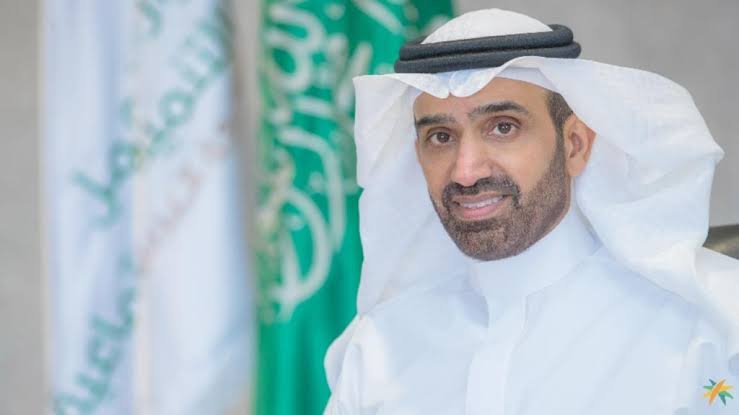
Saudi Arabia’s ongoing efforts to strengthen economic participation and workforce development received renewed focus during Minister Eng. Ahmed Al-Rajhi’s recent visit to Madinah, highlighting the Kingdom’s commitment to Vision 2030. The minister emphasized that modern, flexible work arrangements have transformed the labor market landscape, opening substantial opportunities for citizens to engage in self-employment and alternative forms of work.
More than 430,000 Saudi nationals have reportedly benefited from self-employment initiatives, demonstrating the tangible impact of these programs. In addition, over one million flexible and remote work contracts have been issued, signaling a shift towards more adaptive, modern employment practices aligned with evolving market requirements.
During the visit, Al-Rajhi underscored the importance of capacity building and skills development as foundational elements in preparing the national workforce for a competitive and knowledge-driven economy. Under the “Wa’ad” campaign, approximately 4.5 million training opportunities have been launched to date, with two million successfully completed.
The minister highlighted that these programs, complemented by initiatives from the Human Resources Development Fund (HADAF), have reached over 1.5 million individuals, with financial support exceeding SR3.8 billion. These comprehensive measures aim to enhance the technical, managerial, and entrepreneurial skills of Saudi nationals while ensuring a closer alignment between workforce capabilities and market demands.
A major component of Al-Rajhi’s discussions revolved around the Social Development Bank and its pivotal role in economic empowerment and entrepreneurship. The bank has provided SR8.5 billion in assistance to more than 130,000 beneficiaries, a move that has actively stimulated small and medium-sized enterprises (SMEs) and contributed to the broader economic stability of the Kingdom. By facilitating financial support and access to capital, the bank has reinforced the private sector’s capacity to drive sustainable growth while promoting innovation, self-reliance, and entrepreneurship among Saudi citizens.
The minister’s engagement with the regional business community underscored the Ministry of Human Resources and Social Development’s commitment to cross-sector integration and collaboration. During his meetings, Al-Rajhi stressed the importance of bridging the gap between public initiatives and private sector opportunities to advance economic empowerment. Discussions focused on developing frameworks that support entrepreneurship, enhance labor market efficiency, and stimulate local investment, reinforcing the private sector’s central role in achieving inclusive economic and social development.
As part of his itinerary, Al-Rajhi held talks with Naif Al-Saadi, vice chairman of the Board of Directors of the Madinah Chamber of Commerce and Industry. Their discussions explored avenues for joint collaboration, emphasizing the need to strengthen public-private partnerships and support economic empowerment initiatives. By fostering these cooperative relationships, the ministry aims to create a more resilient labor market ecosystem that is responsive to evolving business needs while maximizing opportunities for national talent.
Al-Rajhi also reiterated the ministry’s strategic vision to cultivate progressive work environments, expand partnerships across sectors, and improve the efficiency and effectiveness of the labor market system. The minister highlighted the critical importance of increasing the private sector’s contribution to sustainable economic growth, ensuring that development is inclusive and benefits all layers of society.
He also commended the remarkable progress achieved in the Madinah region in terms of workforce development, entrepreneurship, and social initiatives, noting the region’s role as a model for other areas of the Kingdom.
Beyond high-level meetings, the minister actively participated in on-ground initiatives to showcase national achievements and encourage citizen engagement. He attended the “Volunteer with Your Expertise” program organized by the ministry, which encourages professionals to contribute their skills to social and community development projects.
Additionally, he toured the “Made in Madinah” exhibition, highlighting successful national examples in entrepreneurship and local industries. These initiatives not only promote civic engagement but also provide practical platforms for citizens to develop skills, gain experience, and contribute to the local economy.
Al-Rajhi emphasized that strategic collaboration and workforce development are essential to achieving the objectives outlined in Saudi Arabia’s Vision 2030. By strengthening public-private cooperation, enhancing skill-building programs, and supporting entrepreneurship, the ministry is facilitating sustainable economic growth while empowering citizens to actively participate in the Kingdom’s development journey.
Programs such as flexible employment arrangements, remote work contracts, and self-employment initiatives reflect the evolving nature of work, ensuring that Saudis are well-equipped to meet the demands of a modern labor market.
The minister also highlighted the importance of aligning training programs with market needs, ensuring that citizens gain relevant technical and professional skills. The “Wa’ad” campaign and HADAF programs provide structured opportunities for professional development across a wide range of sectors, enabling participants to contribute effectively to the economy while fostering innovation and entrepreneurship. With over 4.5 million training slots created, the scale of these programs demonstrates the Kingdom’s long-term commitment to human capital development.
The role of the Social Development Bank in facilitating access to capital for SMEs was another major point of emphasis. By supporting more than 130,000 beneficiaries with SR8.5 billion, the bank is driving economic diversification and ensuring that small and medium enterprises can thrive in competitive markets. These efforts complement broader labor market reforms, providing both financial resources and strategic guidance to foster entrepreneurship and economic self-sufficiency among citizens.
Throughout his visit, Al-Rajhi stressed the significance of integrating human resources initiatives with social development strategies. The minister noted that a collaborative approach involving government institutions, private businesses, and local communities is key to enhancing workforce capabilities and economic opportunities. By creating synergies between different sectors, the Kingdom can ensure that citizens are equipped with the necessary skills, experience, and resources to succeed in a rapidly evolving economy.
Eng. Al-Rajhi’s visit to Madinah highlighted the Kingdom’s multifaceted approach to workforce empowerment, skills development, and economic participation. By combining flexible employment policies, comprehensive training programs, financial support for SMEs, and strong public-private partnerships, Saudi Arabia is laying the foundation for a resilient, skilled, and empowered workforce.
These initiatives not only strengthen the labor market but also advance Vision 2030 objectives, promoting inclusive growth, innovation, and national talent development. The visit reflected the ministry’s ongoing dedication to preparing citizens for a competitive labor market, fostering entrepreneurship, and ensuring sustainable economic and social progress across the Kingdom.