

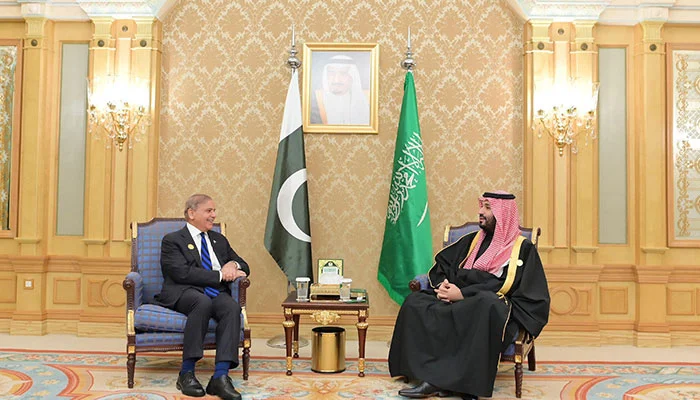
Amid heightened diplomatic activity across the region, Pakistan’s Prime Minister Shehbaz Sharif has arrived in Jeddah, Saudi Arabia, as part of a key regional visit. During his stay, he is expected to hold an important meeting with Saudi Crown Prince and Prime Minister Mohammed bin Salman, focusing on bilateral relations as well as broader regional developments.
According to diplomatic sources, the discussions are likely to center on ways to reduce rising tensions in the Middle East, alongside ongoing efforts related to the United States–Iran dialogue. Pakistan has been actively engaging in diplomatic initiatives aimed at facilitating communication between the concerned parties and has even proposed hosting a second round of talks following an inconclusive first attempt.
This visit comes at a time when international attention remains fixed on the evolving situation between Washington and Tehran, with expectations building around a possible new phase of negotiations. Islamabad’s offer to host further dialogue is seen as part of its broader effort to help de-escalate tensions that have intensified since late February, when a series of developments triggered a sharp rise in regional instability.
Notably, this is the Prime Minister’s second visit to Saudi Arabia in less than a month, highlighting the growing momentum in Pakistan–Saudi relations. The strong strategic and defense partnership between the two countries continues to serve as a foundation for expanded cooperation, particularly in addressing shared regional concerns.
The agenda of the visit also includes coordination on ongoing diplomatic efforts following earlier US–Iran talks that ended without any concrete breakthrough. With preparations underway for a potential second round of negotiations, regional stakeholders are increasingly focused on creating conditions conducive to sustained dialogue.
Prime Minister Shehbaz Sharif’s regional tour, which also includes Qatar, reflects Pakistan’s broader diplomatic outreach aimed at promoting stability and encouraging peaceful resolution of conflicts through engagement rather than escalation.