

KYIV, Ukraine: The threat of a nuclear safety crisis looms larger in Ukraine as Russian forces intensify their assault on the country’s critical energy infrastructure. A recent drone attack knocked out electricity for over three hours at the site of the 1986 Chernobyl nuclear disaster a move Ukrainian officials say highlights the increasing risk of a radiation incident.
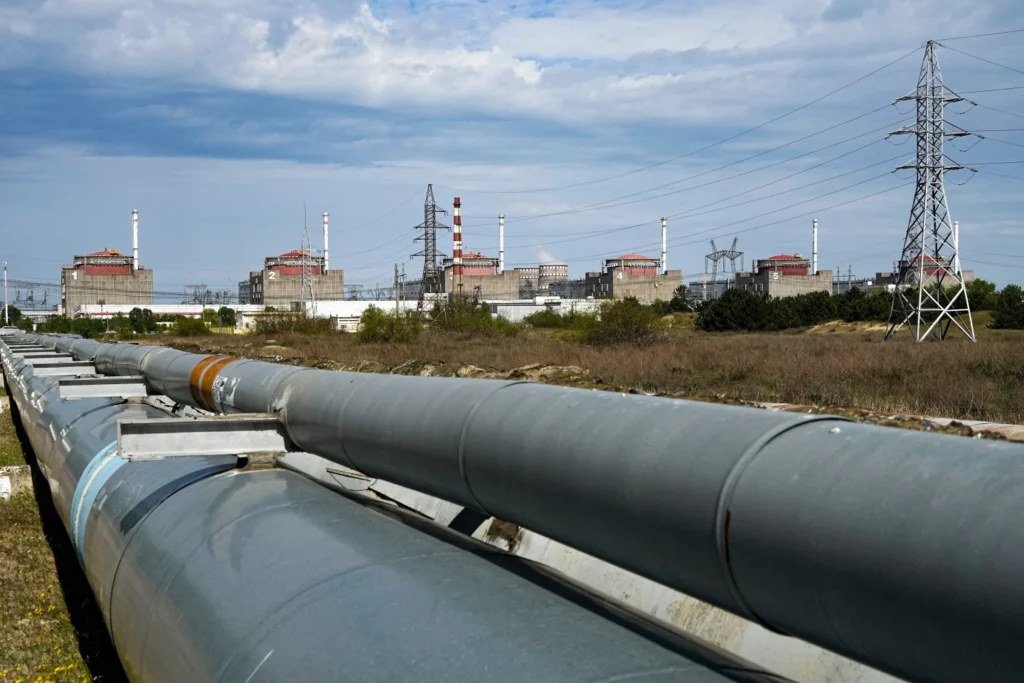
Both the Chernobyl facility and the Zaporizhzhia Nuclear Power Plant Europe’s largest are currently non-operational. However, they remain highly vulnerable as they require constant external power to maintain crucial cooling systems for spent nuclear fuel. Without these systems, the risk of radioactive material overheating and leaking becomes a grave concern.
Ukrainian President Volodymyr Zelenskyy issued a stark warning on Wednesday night, accusing Russia of “deliberately creating the threat of radiation incidents. He also criticized the International Atomic Energy Agency (IAEA) and its chief, Rafael Mariano Grossi, for what he called a lackluster response.
Every day of Russia’s war, every strike on our energy facilities, including those connected to nuclear safety, is a global threat, Zelenskyy said. Weak and half-measures will not work. Strong action is needed.
Of particular concern is the blindness of radiation monitoring systems at Chernobyl, which rely on uninterrupted power to function. These systems, operated in coordination with the U.N. nuclear watchdog, are a key part of international safety efforts at the historic site.
While there is no immediate sign of radiation leakage, the recent blackouts are a grim reminder of the fragile state of nuclear safety amid wartime conditions. Experts warn that prolonged disconnections or a total power failure at either site could trigger a catastrophic scenario, not just for Ukraine but for the region.
The situation remains tense as international bodies continue to monitor developments, with calls growing louder for more decisive global intervention to safeguard nuclear security in Ukraine.