

Saudi Arabia has launched a wide-ranging emergency response plan to confront the growing cholera crisis in Yemen, marking a significant expansion of its humanitarian and health support efforts. The initiative, financed and coordinated through the King Salman Humanitarian Aid and Relief Center, represents one of the most structured regional efforts to control a contagious disease that continues to threaten vulnerable communities across the war-torn nation.
The plan underscores the Kingdom’s ongoing commitment to assist Yemen in restoring stability and ensuring the well-being of its people through urgent medical interventions and preventive health measures.
The new emergency response aims to minimize the spread of cholera and reduce the number of cases that have been steadily rising across the country. It includes the deployment of specialized medical teams to monitor, identify, and isolate suspected cases in high-risk areas, particularly in the governorates of Aden, Hadramout, Hajjah, and Sa’dah.
These regions, considered to be among the most affected by the epidemic, will now receive reinforced medical and logistical support through both air and land channels to strengthen monitoring at border crossings, seaports, and airports. This comprehensive network will help ensure that no case of cholera crosses into neighboring countries, thereby containing the spread of infection regionally.
According to projections associated with the plan, more than 1,150,000 people are expected to benefit directly from these health and protection measures. The project also focuses on equipping health facilities with the necessary medical supplies, including rehydration solutions, intravenous fluids, antibiotics, disinfectants, and personal protective equipment for frontline health workers.
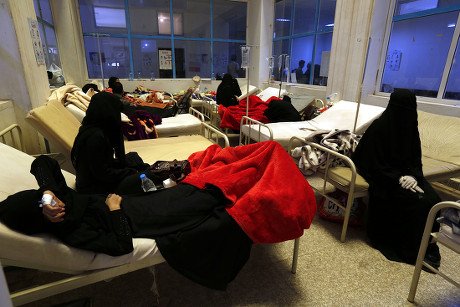
It will additionally strengthen the capacity of cholera treatment centers by expanding bed availability and providing emergency medical kits to remote areas where access to hospitals is limited.
Health officials involved in the initiative have emphasized that the plan is not limited to emergency treatment but also focuses on prevention and community awareness. Public health campaigns will be launched in partnership with local health offices and community leaders to educate families about hygiene, safe water practices, and early symptom recognition. These initiatives aim to reduce transmission rates by addressing the root causes of the outbreak, such as contaminated water sources and poor sanitation infrastructure.
At the same time, reports from local and international health agencies indicate that the cholera epidemic has continued to spread rapidly in Yemen’s temporary capital, Aden, and other governorates. Isolation centers have been overwhelmed with new cases, and health workers have raised alarms about potential large-scale outbreaks if preventive action is not intensified.
The World Health Organization’s data suggests that Yemen remains the most affected country in the world by cholera, with the total number of suspected cases having reached nearly 249,900 by the end of December. Since the beginning of the epidemic, at least 861 deaths have been recorded, representing approximately 35 percent of the global cholera burden and nearly 18 percent of all cholera-related deaths worldwide.
The Kingdom’s latest intervention comes at a critical time when Yemen’s fragile healthcare system is under immense strain due to years of conflict, displacement, and infrastructure collapse. Access to clean water remains one of the country’s most pressing challenges, and health experts warn that without international coordination, the disease could further destabilize already vulnerable regions.
Saudi Arabia’s plan, therefore, combines immediate medical response with long-term capacity building, aiming not only to contain the epidemic but to create a sustainable framework for disease surveillance and water safety management.
Saudi medical officials have confirmed that the response teams will include physicians, epidemiologists, and logistics experts working alongside local health authorities to track infection patterns in real time.
Mobile health units equipped with diagnostic tools and treatment supplies will travel to remote areas, reaching displaced populations and those living in temporary shelters. These mobile teams will play a crucial role in early detection, rapid response, and patient referral to nearby treatment facilities.
In addition to medical assistance, the plan also introduces water purification initiatives and environmental health interventions. Chlorination of community water tanks, disinfection of wells, and monitoring of water sources are key components of the broader preventive strategy.
Health educators will be deployed to schools and community centers to teach safe hygiene practices, focusing especially on children and families living in densely populated refugee areas.
Saudi Arabia’s humanitarian officials have stressed that this initiative reflects the country’s deep sense of responsibility toward its neighbors and its determination to combat humanitarian crises that transcend borders.
By supporting Yemen through both immediate relief and developmental aid, the Kingdom hopes to restore health infrastructure and mitigate the long-term impact of the epidemic on future generations. The King Salman Humanitarian Aid and Relief Center has already played a vital role in previous health emergencies, providing millions of doses of vaccines, funding hospitals, and supplying clean water projects throughout Yemen.
Observers note that the cholera outbreak in Yemen has become one of the world’s worst recorded in recent history, exacerbated by inadequate sanitation, poverty, and the destruction of public services. The lack of functioning sewage systems and the contamination of drinking water sources have created ideal conditions for the disease to thrive.
Cholera, which spreads primarily through contaminated water and food, can lead to severe dehydration and death within hours if not treated promptly. The situation is especially dire for children under five, who account for a large proportion of fatalities.
Saudi health authorities have also expressed concern about the transnational implications of the epidemic, particularly for neighboring countries that share borders or trade routes with Yemen. To mitigate this risk, the response plan includes strict health monitoring at airports and seaports, where medical teams will screen travelers, disinfect cargo, and isolate suspected cases.
These preventive measures are part of a coordinated strategy to protect both Yemeni citizens and regional populations from cross-border infection.
Medical experts highlight that while emergency relief is vital, addressing Yemen’s cholera crisis requires rebuilding its public health system from the ground up. Saudi Arabia’s program integrates this understanding by supporting training programs for Yemeni healthcare workers and establishing a continuous supply chain for medical and sanitation materials. The initiative will also strengthen communication between hospitals and rural clinics to improve case reporting and data accuracy.
Beyond the immediate crisis, this project symbolizes Saudi Arabia’s broader humanitarian vision—anchored in compassion, partnership, and shared regional responsibility. The Kingdom’s efforts reflect its vision for a more stable and healthier Middle East, where cooperation replaces crisis management. Health specialists believe that the lessons learned from this initiative could serve as a model for future epidemic responses in similar conflict-affected environments.
As the cholera response plan unfolds, health experts remain cautiously optimistic. The introduction of Saudi-led monitoring teams, medical supplies, and public awareness campaigns could mark a turning point in Yemen’s struggle against preventable diseases. If effectively implemented, the initiative could not only save thousands of lives but also pave the way for stronger international collaboration in addressing global health emergencies.
In essence, Saudi Arabia’s emergency response plan to combat cholera in Yemen stands as a humanitarian milestone—an effort that merges medical science, compassion, and logistical precision. By focusing on prevention, treatment, and community engagement simultaneously, the Kingdom has demonstrated that addressing a public health crisis is not merely an act of charity but a collective duty to humanity. If sustained, this initiative could help Yemen rise from the shadow of disease and instability toward a more secure and healthier future for its people.