

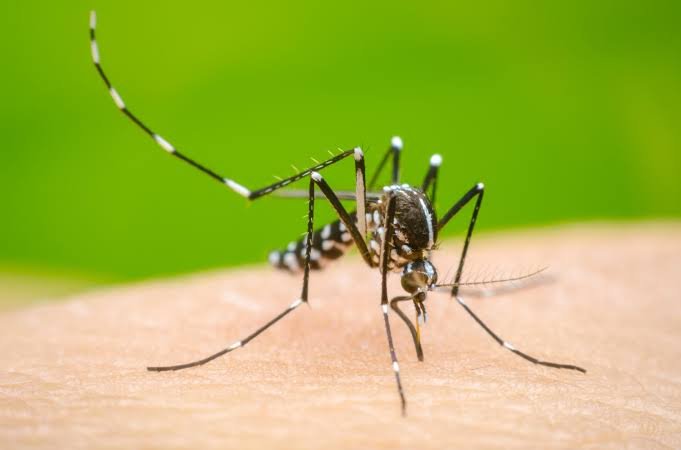
In a landmark scientific breakthrough that marks a first for the Middle East and North Africa region, researchers from King Abdulaziz City for Science and Technology (KACST) in collaboration with the University of Melbourne, Australia, have successfully pioneered a study that introduces an innovative, eco-friendly biological solution to control the spread of dengue fever. The focus of the study is on deploying smart traps designed to reduce the population of mosquitoes that transmit the disease in Jeddah — a city known for its hot, dry climate and minimal rainfall. This initiative forms part of KACST’s larger vision to employ advanced scientific research for combating vector-borne diseases through sustainable and intelligent technologies.
The research project was founded on an experimental model that recreated the challenging environmental conditions typical of Saudi Arabia’s urban landscapes, including high temperatures and limited humidity. At the core of this experiment was the use of a next-generation mosquito control device known as the “In2Care” trap — a system that stands out for its environmentally conscious design.
The trap uses a dual-action biological mechanism: one part prevents mosquito larvae from reaching maturity, while the second targets and eradicates adult mosquitoes already active in the area. To enhance precision and effectiveness, these traps were integrated with artificial intelligence systems and digital monitoring platforms, allowing scientists to automate observation and control processes efficiently.
The study’s primary objective was to determine how well these smart traps could perform in the unique environmental conditions of Jeddah, assessing their capacity to prevent mosquito breeding and minimize the spread of dengue fever.
It also sought to examine how these biological systems could serve as sustainable alternatives to conventional chemical-based insecticide programs, which often have adverse ecological and health impacts.
During the field experiments, researchers witnessed a complete halt in the emergence of new adult mosquitoes from the treated zones, a result that highlighted the traps’ efficiency and long-lasting control potential. The outcomes were both measurable and visually evident — mosquito reproduction had been successfully interrupted without reliance on chemical pesticides. These findings confirmed the success of KACST’s strategy, establishing a foundation for further scientific exploration into biological mosquito control methods in arid environments.
The importance of this research extends far beyond Saudi Arabia’s borders. Its success has attracted widespread international recognition, particularly because of its contribution to the growing field of sustainable vector control technologies. The groundbreaking results were featured prominently on the cover of the 2025 edition of the Journal of Medical Entomology, published by Oxford University Press, a testament to the study’s scientific significance and its impact on future disease prevention research.
Building on these results, KACST now plans to integrate this new mosquito control method with other advanced biological programs such as the Wolbachia-based mosquito strategy — an approach that introduces bacteria to mosquito populations to prevent them from carrying and spreading viruses like dengue.
This integrated model aims to accelerate the reduction of dengue transmission rates in Jeddah and could eventually serve as a framework for similar interventions in other regions facing mosquito-borne disease challenges.
The project also underscores the Kingdom’s dedication to supporting scientific research that serves both public health and environmental preservation. Through KACST’s National Laboratory, the initiative aligns closely with the objectives of Saudi Vision 2030, which emphasizes research, development, and innovation as vital pillars of national progress. By investing in green technologies and prioritizing sustainable health solutions, Saudi Arabia continues to strengthen its reputation as a regional leader in scientific innovation and humanitarian advancement.
This study not only demonstrates the potential of biotechnology to address pressing global health concerns but also reflects a broader transformation in Saudi Arabia’s approach to science and technology — one that combines ecological responsibility with forward-thinking research. It is expected that these innovations will help establish a cleaner, safer, and healthier future by significantly reducing the risks associated with mosquito-borne diseases.
Through such cutting-edge research, KACST and its partners reaffirm their commitment to improving human health while safeguarding the environment — a dual goal that lies at the heart of sustainable scientific progress.