

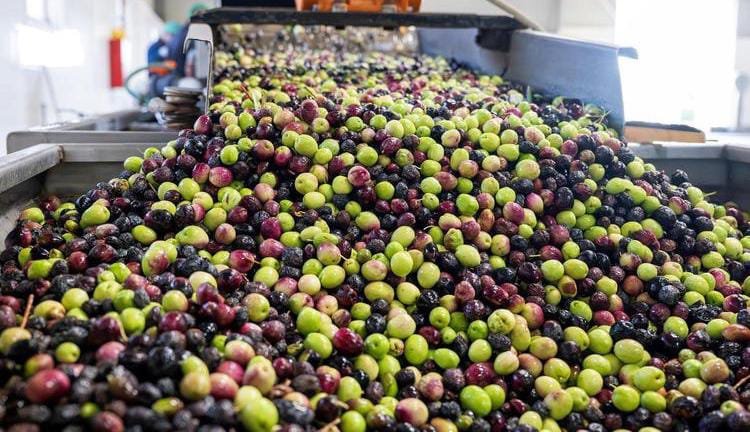
In the fertile lands of northwestern Saudi Arabia, the olive harvest season has officially commenced in the Tabuk Region, where local presses have started receiving tons of freshly picked olives from the region’s vast plantations. The lush groves, which number more than 1.5 million olive trees, now stand as a symbol of Tabuk’s thriving agricultural identity and its growing contribution to the Kingdom’s food production and rural economy.
Experts from the Ministry of Environment, Water and Agriculture have projected that this year’s yield will be one of the most prosperous, with an estimated 94,000 tons of olives expected to be harvested. From this, over 12,250 tons of premium-quality olive oil are anticipated to be extracted, reaffirming the region’s reputation as one of Saudi Arabia’s leading producers of this valuable crop.
Agricultural specialists in the area attribute Tabuk’s remarkable success in olive cultivation to its unique geographical and climatic advantages. Situated in a zone that mirrors the conditions of the Mediterranean Basin—widely recognized as the cradle of olive cultivation—Tabuk enjoys moderate temperatures, low humidity, and soil rich in minerals, all of which contribute to the health and productivity of its olive trees. This natural alignment with Mediterranean weather patterns allows local farmers to cultivate several olive varieties that thrive under such conditions, producing fruits that are both rich in oil content and high in nutritional value.
The growth of olive farming in Tabuk is also closely tied to the Kingdom’s broader agricultural transformation agenda. Under Saudi Vision 2030, national strategies have been put in place to diversify agricultural production, reduce dependence on imported food, and strengthen food security through sustainable practices. In this context, the olive sector has emerged as a key focus area, with local authorities encouraging farmers to adopt advanced irrigation systems, organic fertilizers, and modern pressing technologies. These innovations not only enhance oil quality but also reduce water consumption, aligning with Saudi Arabia’s long-term environmental goals.
The olive oil produced in Tabuk is gaining recognition both locally and internationally for its purity and taste. Small- and medium-sized producers have increasingly participated in regional exhibitions and international food fairs, introducing Saudi olive oil to global markets. The growing demand for organic and cold-pressed olive oil has also encouraged local entrepreneurs to establish boutique oil brands, further boosting rural employment and creating new investment opportunities in the agri-food sector.
While olives are the flagship crop of Tabuk, the region’s fertile lands also support the cultivation of other fruits such as grapes, apricots, peaches, strawberries, mangoes, oranges, and tangerines. The diversity of agricultural produce has transformed the area into a vibrant hub of food production, attracting investors and tourists alike who are drawn by the scenic landscapes and fresh produce markets. Local farmers have also begun integrating eco-tourism initiatives—inviting visitors to experience olive picking and traditional oil pressing—adding cultural and economic value to the harvest season.
The Ministry of Environment, Water and Agriculture continues to provide technical guidance to local farmers, including training programs focused on pest management, pruning techniques, and sustainable soil conservation. New research centers are being established to study olive genetics and improve yield potential, while government incentives are encouraging the expansion of olive plantations into new areas of Tabuk and nearby regions.
As the olive presses in Tabuk roar to life once again, they carry not just the aroma of freshly crushed fruit but also the promise of an evolving agricultural future. The hum of machinery and the golden flow of oil mark the culmination of a year’s hard labor, blending tradition with modern technology. Each bottle of olive oil produced here represents a piece of Saudi heritage—an embodiment of the country’s ambition to merge its ancient agricultural wisdom with the innovation-driven vision of its future.
This year’s harvest, with its exceptional output and growing recognition, stands as a testament to how far Tabuk’s olive industry has come. From humble beginnings to becoming a cornerstone of Saudi Arabia’s agricultural pride, the olive groves of Tabuk now symbolize not only abundance but also resilience, sustainability, and national progress rooted in the Kingdom’s soil.