

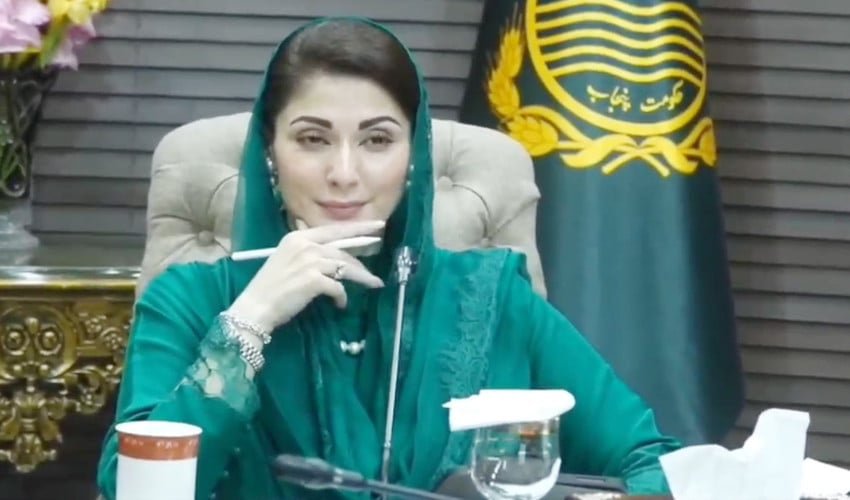
LAHORE: An election tribunal has dismissed a petition filed by PTI-backed independent candidate Mehar Sharafat, challenging the election victory of Punjab Chief Minister Maryam Nawaz from PP-159, Lahore, reaffirming her win in the February 8 general elections.
The tribunal, headed by retired Justice Rana Zahid Mahmood, ruled that the petitioner had failed to provide substantial legal grounds or evidence to support allegations of electoral irregularities. The 19-page order, dated October 21, was made public on Monday.
Sharafat had claimed that he was the original winner of the constituency based on the Form-45 results but alleged that Form-47 was later manipulated to declare Maryam Nawaz as the victor. According to the official results, Maryam secured 23,598 votes, while Sharafat obtained 21,491 votes.
However, the tribunal’s decision stated that the petitioner’s counsel presented only general arguments regarding alleged corruption and irregularities during the polling process and failed to identify specific legal deficiencies in the vote verification and attestation procedures. The order also pointed out several procedural flaws and technical lapses in Sharafat’s petition, concluding that it did not meet the standards required for judicial scrutiny.
Following the decision, Mehar Sharafat challenged the chief minister publicly, vowing to pay a fine of Rs20 million, issue a public apology, and quit politics if Maryam could prove her victory and his defeat in a transparent forum.
This verdict marks another legal win for Chief Minister Maryam Nawaz, who has already overcome multiple election-related petitions since assuming office. Earlier, similar challenges against PML-N leaders, including Hamza Shehbaz, Khawaja Asif, and Attaullah Tarar, were also dismissed by courts.
Meanwhile, broader concerns about Pakistan’s electoral process persist. The Commonwealth Observer Group, in its final report released last month, stated that critical decisions by key institutions impinged on the credibility, transparency, and inclusiveness” of the 2024 general elections, creating an “uneven playing field primarily affecting the Pakistan Tehreek-e-Insaf (PTI).
The report, published 11 months after the polls, described systemic flaws in pre-election conditions, administrative practices, and post-election legal proceedings a critique that continues to shadow Pakistan’s democratic landscape.