

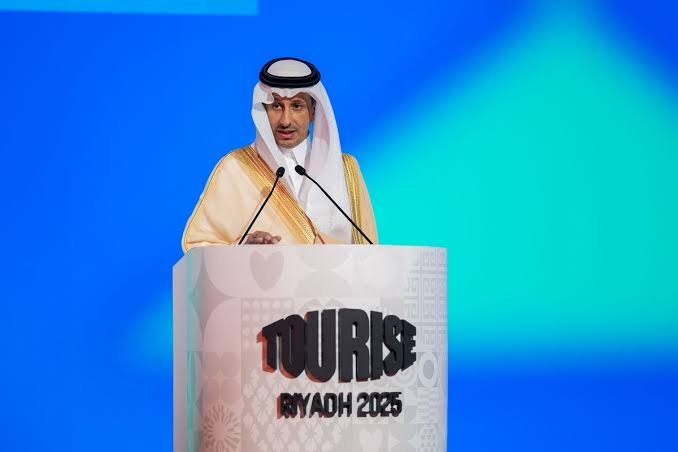
During the opening session of the TOURISE Summit 2025 in Riyadh, Saudi Arabia’s Tourism Minister Ahmed Al-Khateeb delivered a comprehensive overview of the current state and future potential of the global tourism sector, highlighting both its opportunities and the challenges it faces. Speaking to an audience of more than 50 tourism ministers and high-level representatives from countries across the world, Al-Khateeb emphasized that tourism has evolved into one of the *largest employment sectors globally, supporting the livelihoods of **over 357 million individuals.
Looking ahead, industry forecasts predict the creation of **approximately 90 million additional jobs by 2034, indicating the sector’s strong growth trajectory. Yet, despite these optimistic projections, the minister stressed that there is a *critical shortage of 40 million positions, creating a significant employment gap that requires immediate attention and effective solutions.
Al-Khateeb pointed out that this employment challenge is not just a national concern but a *global issue, recently highlighted during discussions at the **United Nations General Assembly. He urged that addressing this shortfall requires **a cooperative approach between the public and private sectors, emphasizing the need for *practical initiatives, forward-looking policies, and innovative mechanisms that can match labor market demands with the rapidly expanding tourism industry.
By doing so, governments and industry stakeholders can ensure that the growth of tourism translates into sustainable employment opportunities for communities worldwide, including regions that have historically been marginalized or underserved.
The minister also reflected on the transformational role of technology and artificial intelligence (AI) in reshaping the tourism industry. He explained that while AI is “undeniably coming” and will improve efficiency, data management, and operational workflows, it cannot replicate the essential human element required in many tourism-related services.
In sectors such as hospitality, guided tours, customer care, and experiential travel, direct human interaction, empathy, and personalized service remain irreplaceable. According to Al-Khateeb, the future of tourism will require a balanced integration of technological tools and human expertise, ensuring efficiency without losing the personal touch that defines high-quality service.
In addition to technological innovation, Minister Al-Khateeb highlighted the *inclusive nature of the tourism sector, noting that it offers exceptional opportunities for **women and youth, two demographics critical to global economic development. Globally, **40% of tourism jobs can be occupied by women, while **30% of roles can be filled by young people, making tourism one of the most adaptable and impactful industries for fostering **gender equality and youth empowerment. He called on governments and private sector partners to actively develop *training programs, mentorship opportunities, and career pathways that enable these groups to access meaningful employment and achieve economic independence.
Al-Khateeb also drew attention to the importance of *equitable growth in smaller nations, island economies, and developing regions, particularly in **Africa, Latin America, the Caribbean, and the Pacific. He emphasized that these regions must have *genuine opportunities for dignified livelihoods and the ability to participate fully in the global tourism economy. Protecting existing jobs, expanding workforce development, and ensuring that growth is inclusive and sustainable were among the key priorities he outlined for governments and industry leaders alike.
Beyond employment and inclusion, the minister stressed the importance of resilience and adaptability in the tourism sector. He highlighted the need for capacity-building initiatives, skills development programs, and innovative business models that allow tourism to remain sustainable in the face of challenges such as global economic fluctuations, climate change, and evolving travel preferences. According to Al-Khateeb, by combining human talent, technological innovation, and strategic planning, the industry can provide lasting economic and social benefits while responding effectively to emerging global trends.
Concluding his remarks, Minister Al-Khateeb underscored that tourism is more than just an economic driver; it is a *powerful catalyst for cultural exchange, social inclusion, and international cooperation. By nurturing **human-centric approaches, empowering women and youth, and providing equitable opportunities in underserved regions, tourism can create *meaningful livelihoods, sustainable communities, and global connections for decades to come. He called on ministers, policymakers, and industry stakeholders worldwide to commit to collaborative efforts, innovative solutions, and strategic investment to ensure the sector’s continued growth, resilience, and positive impact on global society.
The TOURISE Summit 2025, through such discussions, not only provides a platform for dialogue on emerging trends in technology and AI but also emphasizes the sector’s broader mission of *human empowerment, social development, and sustainable economic progress. As the world anticipates rapid changes in travel and tourism over the coming decade, Al-Khateeb’s remarks serve as a *call to action for a collective effort to shape a future where tourism is inclusive, technologically advanced, and socially responsible, benefiting millions of people around the globe.