

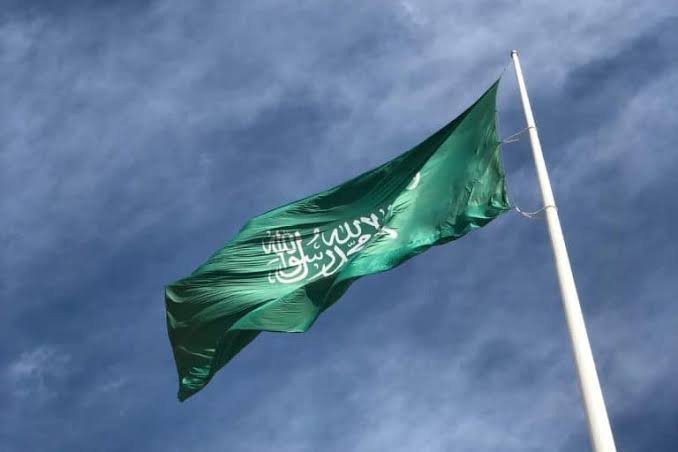
Saudi Arabia has made unprecedented progress in expanding its presence in the global higher education landscape, reflecting a broader commitment to cultivating highly skilled human capital aligned with Vision 2030. Of the 14,037 Saudi students currently pursuing education in the United States, 1,165 are now enrolled in the world’s top 30 universities, a remarkable achievement that underscores the Kingdom’s strategic focus on quality and excellence in international academic engagement.
A major driver behind this transformation is the Custodian of the Two Holy Mosques Scholarship Program, launched in March 2022 by Crown Prince Mohammed bin Salman. Over the past three years, the program has achieved a twofold increase in enrollment across its “Pioneers” and “Excellence” tracks, reflecting not only growth in numbers but also a deliberate shift toward specialized, high-impact educational experiences. The program is a cornerstone of Saudi Arabia’s Vision 2030 human-capital development agenda, designed to produce leaders, innovators, and professionals capable of driving sustainable development in diverse sectors of the Kingdom’s economy and society.
According to Dr. Tahani Al-Baiz, the Saudi Cultural Attaché to the United States and Canada, this initiative has significantly reshaped the participation of Saudi students at leading U.S. institutions. Universities such as the Massachusetts Institute of Technology (MIT), Harvard, Stanford, UC Berkeley, Princeton, and Johns Hopkins now host a growing cohort of Saudi students. At MIT, for instance, Saudi students have ascended to the second-highest ranking among international undergraduates, a testament to the Kingdom’s deliberate strategy of prioritizing academic quality and targeted placement over mere enrollment figures.
The Saudi Cultural Mission in Washington, which was established in 1951, has evolved from overseeing a relatively small group of students to becoming a central institution managing services for over 170,000 Saudi students and alumni. Its role has expanded far beyond administrative supervision, positioning it as a key facilitator of academic collaboration, research partnerships, and institutional exchanges between Saudi Arabia and American universities. The mission serves as a bridge, linking Saudi scholars to opportunities for innovation, professional development, and cross-border knowledge transfer.
The health and medical sectors have been among the most prominent beneficiaries of this scholarship program. Between 2020 and 2025, a total of 8,036 Saudi doctors and healthcare professionals completed advanced training in the United States and Canada. Specialties such as oncology, cardiac surgery, emergency medicine, infectious diseases, and critical care have seen substantial increases in Saudi-trained professionals. Investment in medical training has reached $21.2 million between 2023 and 2025, reflecting the Kingdom’s long-term commitment to establishing cutting-edge clinical and research capabilities within its healthcare system.
Saudi physicians are now gaining practical experience and advanced expertise at world-renowned medical centers, including Boston Children’s Hospital, the Mayo Clinic, Cleveland Clinic, Johns Hopkins, MD Anderson, and Memorial Sloan Kettering. These collaborations encompass clinical rotations, research supervision, and joint medical programs, directly facilitating the transfer of global best practices and cutting-edge knowledge into Saudi Arabia’s healthcare infrastructure. Such initiatives strengthen the Kingdom’s capacity to provide high-quality, specialized medical care to its citizens while fostering research-driven innovation in the medical field.
Dr. Al-Baiz highlighted that the program’s ongoing success is the result of sustained support from leadership, strong alignment between the Ministries of Education and Health, and deep collaborative partnerships with American universities and medical institutions. She also noted that Crown Prince Mohammed bin Salman’s forthcoming visit to Washington will further enhance the educational, scientific, and technological dimensions of Saudi–U.S. relations, paving the way for more intensive collaboration across multiple sectors.
Additionally, the Kingdom is actively expanding access to international education within its borders. Institutions such as New Haven University and Arizona State University have been licensed to establish branches in Saudi Arabia, and more universities are under consideration. This domestic expansion complements the international scholarship program, creating an integrated ecosystem for higher education that prioritizes specialization, research excellence, and long-term human-capital development.
The recent achievements of the scholarship program reflect a mature, strategic phase in Saudi Arabia’s approach to global education. By emphasizing targeted academic placements, specialized professional training, and strategic partnerships, the Kingdom is ensuring a sustainable pipeline of highly skilled professionals. These efforts not only contribute to Vision 2030’s goals but also enhance the overall quality of life in Saudi Arabia, positioning the nation as a regional and global hub for education, research, and professional excellence.