

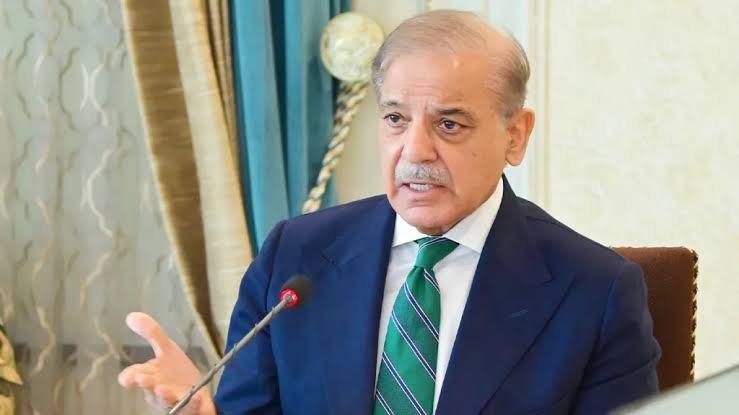
The recent by-elections have opened a new chapter in the political landscape of Punjab, and the government has interpreted the outcome as a strong public endorsement of its current policies. According to government representatives, the results have not come as a surprise, as they believe that the environment in various constituencies had already been showing signs of increasing trust in the ruling party
The leadership has argued that the voters’ decisions were shaped by visible development initiatives, consistency in service delivery, and an overarching desire for stability after several months of political uncertainty that had kept people on edge. This sentiment, they say, was mirrored in the way individuals engaged during the campaign, with many voicing the hope that continuity in governance would help accelerate ongoing reforms.
Among the constituencies that caught the most attention were those in Sahiwal and Lahore, where the ruling party secured significant leads. These victories were celebrated within the party as proof that the message of progress and welfare was reaching even those who had previously been undecided or dissatisfied. Local analysts noted that the voting trend in these areas aligned with broader observations about shifts in public mood over the past few months, particularly in regions where development projects had recently begun to take shape. The intensified activity on roads, public facilities, and administrative services played a role in reinforcing the perception that the government was trying to deliver beyond promises and slogans.
Inside party circles, considerable emphasis has been placed on the leadership’s ability to reorganize its political structure at a time when many believed an electoral setback would be difficult to recover from. Senior figures have acknowledged that past controversies, legal challenges, and internal divisions had weakened their political standing, yet the recent resurgence has been credited to a more coordinated and disciplined approach.
The leadership’s consistent narrative of economic recovery, better governance, and improved law and order has been promoted vigorously, both on traditional media and through direct community engagement. The party’s communication teams, local organizers, and youth wings also played an active part in reshaping campaign strategies to better match the expectations of modern voters.
A significant theme repeated in internal discussions has been the role of the new provincial leadership. Observers have highlighted that the energetic and direct involvement of the chief minister in campaigning brought a renewed style of outreach that appealed especially to younger voters and women. Regular visits to different districts, sudden inspections of public offices, and a high social media presence created an image of hands-on governance, something that many supporters viewed as refreshing. Party workers have also suggested that the emotional connection between the provincial leadership and the electorate strengthened the perception that the government was not distant or inaccessible but genuinely interested in people’s concerns.
On a broader scale, the results have sparked a debate on what they could mean for the balance of power in the future. Political commentators have pointed out that mid-term by-elections often reflect not just party popularity but also public reactions to national economic conditions.
In this case, the government has attempted to show early signs of improvement through stabilization measures, efforts to reduce administrative inefficiencies, and attempts to revive stalled sectors. Although challenges remain, especially in inflation and employment, supporters argue that voters may have responded positively to even slight improvements after years of frustration. This perspective suggests that people may now be more inclined to reward the idea of slow and steady recovery rather than abrupt political upheaval.
The opposition, meanwhile, has raised its own questions about the fairness and transparency of the process, signalling that legal and political responses may follow. Despite such remarks, the ruling party maintains that the environment on polling day remained largely calm and that the participation of voters, though not exceptionally high, was in line with typical by-election trends.
Independent observers have also commented that the administration’s logistical arrangements were more organized than during previous contests, contributing to smoother polling operations in many areas. With these contrasting narratives now shaping public discussion, the political climate is likely to remain active in the coming weeks.
What remains clear is that the by-elections have provided the ruling party with renewed momentum. The government is expected to use this renewed mandate to push forward its policy agenda more confidently, particularly in areas such as infrastructure development, public health services, administrative reforms, and investment-friendly provincial initiatives.
Within the party, there is growing belief that if the current pace of governance is sustained and if progress becomes more visible at the grassroots level, the upcoming political phases could become more favourable. For now, the leadership views the recent wins not just as a numerical gain in the assemblies but as a reaffirmation of trust — a trust it hopes to strengthen further through continued work on development, stability, and the welfare of citizens.