

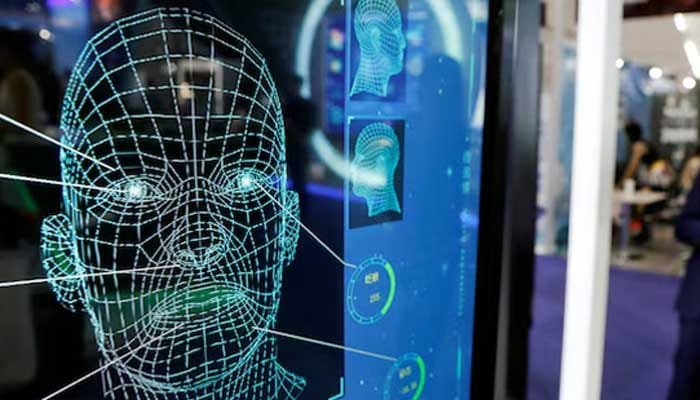
The National Database and Registration Authority (NADRA) has taken a significant step forward in modernizing identity verification services in Pakistan by introducing a facial recognition-based biometric verification system. This initiative aims primarily to assist citizens who experience difficulties with traditional fingerprint verification, a challenge particularly prevalent among elderly individuals and those suffering from certain medical conditions that make fingerprinting unreliable or impractical. By integrating facial recognition technology into the verification process, NADRA seeks to ensure that all citizens have seamless access to identity services, without facing unnecessary obstacles.
According to an official spokesperson from NADRA, the development of this new system comes directly in response to directives from the Prime Minister and the Interior Minister, who emphasized the need for modernization and inclusivity in the country’s identity verification mechanisms.
The authorities recognized that the existing reliance on fingerprint verification was not sufficient to address the needs of all citizens, particularly vulnerable populations. As a result, a series of measures were undertaken to expand the legal framework and operational procedures surrounding biometric verification.
One of the key steps in this process was the formal amendment of the National Identity Card rules to explicitly include facial recognition as a recognized method of biometric verification. This legislative change effectively broadens the legal definition of biometric authentication, ensuring that facial recognition is officially sanctioned as a valid and legally acceptable verification technique.
By embedding this provision in the legal framework, NADRA has laid the groundwork for a system that can be widely accepted across both government and private institutions, promoting uniformity and reducing bureaucratic hurdles.
In preparation for the rollout of facial recognition, NADRA has reportedly communicated with relevant government agencies and private organizations, advising them to take necessary steps to recognize and accept facial recognition verification.
This coordination is intended to ensure that once the system becomes fully operational, there will be a smooth transition and widespread adoption across different sectors that rely on identity verification. The inclusion of facial recognition is also part of a broader strategy to modernize Pakistan’s identity management infrastructure, aligning it with global best practices and emerging digital identity trends.
The new facial recognition service has already been integrated into NADRA’s Pak-Identity mobile application, allowing citizens to access the feature conveniently through their smartphones. Once Pakistan’s broader Digital ID system is officially launched, facial recognition verification will become fully functional through the app, offering a digital-first option for verification without the need to visit physical registration centres. This move reflects a shift towards more technology-driven solutions in the public sector, enhancing accessibility while reducing time and effort for citizens.
Starting from January 20, all NADRA registration centres nationwide will begin issuing biometric verification certificates using the facial recognition system. Under the newly established procedure, if an individual’s fingerprint verification fails due to physical or medical limitations, they will be directed to the nearest NADRA registration centre equipped with facial recognition technology. This ensures that no citizen is denied access to verification services simply because traditional fingerprint methods are not feasible for them.
The process involves scanning the individual’s facial features using specialized equipment and software designed to match the biometric data against NADRA’s national database. Upon successful verification, NADRA will issue a biometric verification certificate. The certificate is designed to serve as an official document that confirms an individual’s identity for a range of purposes, and citizens can obtain it by paying a nominal fee.
This certificate includes essential personal information such as the individual’s photograph, National Identity Card number, full name, father’s name, a unique tracking ID, and a QR code. Importantly, each certificate will remain valid for seven days from the date of issuance, ensuring that the verification data remains current and accurate.
NADRA has emphasized the importance of accessibility and customer support in the rollout of this system. Citizens who encounter difficulties in accessing the service or experience technical issues are advised to file complaints with the relevant institution or department. By establishing clear channels for feedback and grievance redressal, NADRA aims to maintain high service standards and ensure that all citizens can benefit from the new facial recognition technology without disruption.
The introduction of facial recognition verification is also part of a broader national initiative to enhance digital identity infrastructure. As Pakistan moves toward the formal launch of its Digital ID system, integrating biometric technologies such as facial recognition represents a significant step forward in streamlining identity verification.
By leveraging advanced technology, the government is not only improving service efficiency but also addressing equity concerns, ensuring that elderly citizens, people with disabilities, and others with fingerprinting challenges are not excluded from accessing essential identity-related services.
Moreover, the facial recognition system is expected to have multiple applications beyond just issuing verification certificates. With the expansion of Pakistan’s Digital ID system, citizens will potentially be able to use facial recognition for authentication in government services, banking, healthcare, and other sectors where identity verification is required. This represents a shift toward a more interconnected and technologically advanced approach to citizen services, reducing reliance on manual processes and paper-based documentation.
NADRA’s proactive steps in rolling out facial recognition-based verification reflect a commitment to modernizing national identity management while ensuring inclusivity. The organization has invested in training, software deployment, and coordination with various institutions to guarantee that the system operates efficiently from the outset. By embedding facial recognition into both physical registration centres and mobile platforms, NADRA is creating multiple access points for citizens, reducing the likelihood of service bottlenecks and improving the overall user experience.
NADRA’s launch of facial recognition biometric verification represents a landmark development in Pakistan’s identity verification framework. It addresses critical challenges associated with fingerprint verification, provides a legally recognized and technologically advanced method of authentication, and ensures that all citizens, regardless of age or medical condition, can access necessary verification services. With nationwide implementation, integration into mobile applications, and a clear mechanism for obtaining certificates, this initiative exemplifies the country’s commitment to leveraging technology for public service while maintaining accessibility, efficiency, and inclusivity.
This strategic step also lays the foundation for a future where digital and biometric identity verification will become the standard across multiple sectors, facilitating secure, reliable, and convenient citizen interactions with government and private institutions alike.