

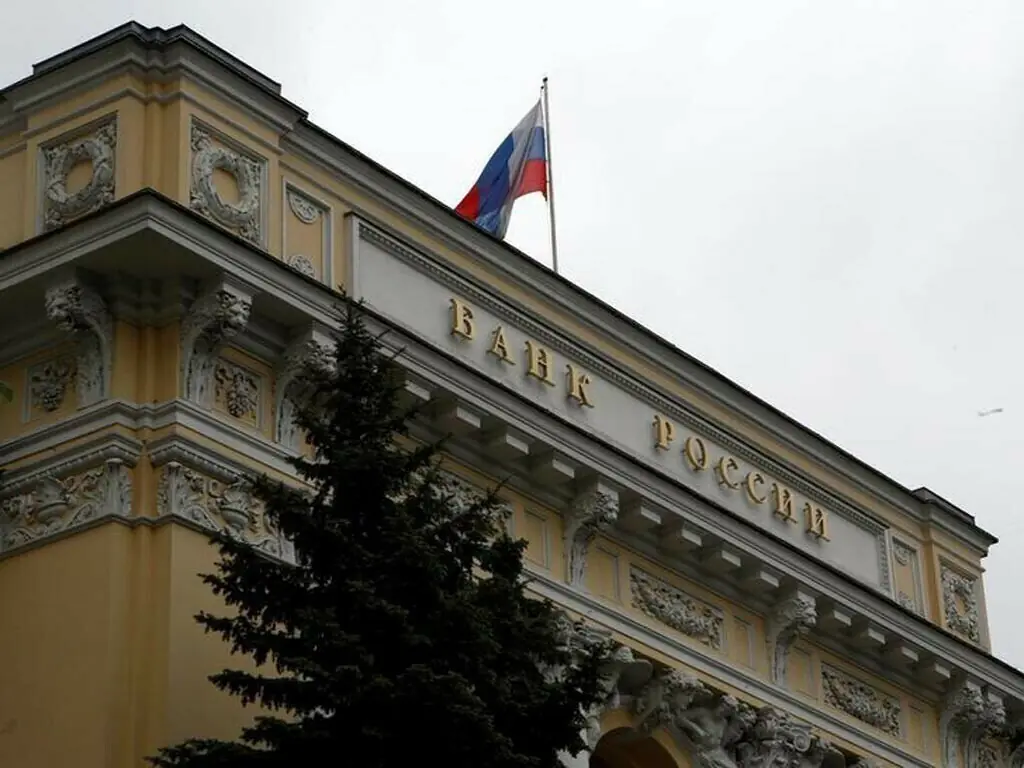
Moscow: A Moscow court on Friday held a preliminary hearing in a high-stakes lawsuit filed by the Russian central bank against Belgian financial group Euroclear, in a dispute over tens of billions of euros in Russian assets frozen in Europe since the Kremlin’s full-scale invasion of Ukraine nearly four years ago.
The frozen funds, part of Russia’s international reserves, were blocked by the European Union as part of a sweeping sanctions regime aimed at curbing Moscow’s military operations in Ukraine. Russia has long maintained that the EU’s measures are unlawful and damaging to its financial sovereignty.
At Friday’s hearing in the Moscow Arbitration Court, Judge Anna Petrukhina ruled that proceedings would be held behind closed doors, at the request of the central bank, citing the need to “protect banking secrecy”, AFP reported.
The lawsuit, filed in December 2025, comes amid previous EU discussions on using the frozen Russian assets to provide financial support to Ukraine. The bloc ultimately decided against the proposal, instead offering a loan backed by its common budget.
In its lawsuit, the Russian central bank accused Euroclear of acting illegally in freezing the assets. The bank is seeking roughly $232 billion, a sum that includes both the value of the blocked reserves and compensation for lost returns.
Russian President Vladimir Putin, speaking last month, denounced any EU plan to use Moscow’s frozen assets for Ukraine as “robbery”, warning that “the consequences could be severe for the robbers.” Analysts note that Russia’s legal claims in domestic courts against foreign financial institutions are largely symbolic, as enforcing such rulings internationally would be complicated and politically sensitive.
Euroclear representatives attended the hearing but declined to comment. A spokesperson for the Belgian clearing house highlighted in December that Euroclear is currently defending itself in more than 100 legal cases in Russia, reflecting a broader pattern of litigation between Moscow and foreign financial institutions.
Experts say the lawsuit is significant not only for Russia and Euroclear but also for international finance and diplomacy. If Russia were to secure compensation or legal recognition of its claims, it could embolden further legal challenges against Western financial institutions, complicating the management of sanctions and frozen assets.
The case highlights how geopolitics and finance are increasingly intertwined, said one Moscow-based financial analyst. Even if the outcome is largely symbolic, it sends a strong signal about Russia’s determination to challenge European measures in its courts.
EU officials have yet to comment on the proceedings, but the move comes amid ongoing debates within the bloc about how to manage frozen Russian reserves and the broader question of holding Moscow accountable while mitigating regional economic risks.
The Moscow Arbitration Court has yet to announce a schedule for further hearings. Legal observers anticipate that the case could continue for months, given the complexity of claims and the international dimensions involved. Meanwhile, Euroclear and other European financial institutions are closely monitoring the proceedings, which may have long-term implications for the handling of frozen assets and cross-border financial operations in the context of geopolitical disputes.