

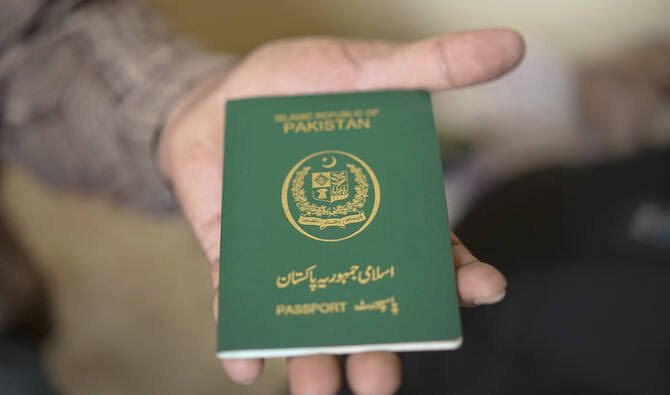
A significant development has emerged in Pakistan’s engagement with European countries on migration, labor mobility, and security cooperation, as Italy signaled a major opening for skilled Pakistani workers while Spain introduced fresh clarity regarding residency pathways for overseas Pakistanis. These parallel moves reflect a broader trend of structured and regulated migration frameworks between Pakistan and key European partners.
In Rome, a high-level meeting between Pakistan’s Interior Minister Mohsin Naqvi and Italy’s Interior Minister Matteo Piantedosi resulted in an important announcement aimed at strengthening legal labour migration channels. The Italian side conveyed its decision to allocate 10,500 work visas specifically for skilled professionals from Pakistan. The initiative is designed to facilitate lawful entry for trained workers while discouraging irregular migration routes that have posed challenges for both countries in recent years.
Italian authorities described the visa allocation as part of a comprehensive strategy to promote organised and transparent migration. By creating defined legal avenues for employment, Rome aims to meet its labour market demands while reducing the incentives that drive individuals toward human smuggling networks. The policy also reflects Italy’s recognition of the contribution Pakistani workers can make across various skilled sectors.
During the discussions, both ministers reviewed cooperation mechanisms already in place to address transnational crimes, including drug trafficking, human smuggling and terrorism. They noted with satisfaction that collaborative efforts between law enforcement agencies of the two countries have produced measurable improvements, particularly in curbing illegal migration attempts. Enhanced coordination, intelligence sharing and operational support were highlighted as central pillars of this cooperation.
Mohsin Naqvi briefed his Italian counterpart on Pakistan’s intensified border management strategy. He pointed to stricter monitoring systems at airports and maritime entry points, which have led to a marked reduction in unlawful departures. According to the Pakistani side, advanced surveillance measures and coordinated enforcement actions have disrupted trafficking networks that previously exploited vulnerable individuals seeking overseas opportunities.
Matteo Piantedosi acknowledged these efforts, describing Pakistan’s institutional response to illegal immigration and organised crime as effective and worthy of appreciation. He underscored that stronger bilateral collaboration remains essential to dismantle smuggling syndicates and prevent exploitation of migrants. The Italian minister emphasised that sustained joint action would serve the shared interest of ensuring safe, orderly and regular migration.
In addition to labour mobility, another step was announced to deepen diplomatic engagement. Italy confirmed that Pakistani diplomatic passport holders would be granted visa-free access, removing a procedural barrier and symbolising enhanced trust between the two governments. Officials view this decision as a gesture that reinforces diplomatic goodwill and facilitates smoother official exchanges.
While Italy advanced its labour migration framework, Spain also moved to clarify procedures related to residency for overseas Pakistanis under a resident card scheme. Following consultations involving senior officials and Pakistan’s diplomatic mission, the Spanish government confirmed that qualifying applicants would initially receive a one-year resident card. The policy aims to provide a structured pathway for legal residence rather than serving as a channel for asylum claims.
Pakistan’s ambassador to Spain, Dr Zahoor Ahmed, offered a comprehensive explanation of the scheme to relevant stakeholders. He stressed that the residency arrangement is strictly for eligible overseas Pakistanis who meet specified documentation requirements. Applicants must submit a valid character certificate and complete the prescribed verification process. Authorities made it clear that individuals seeking political asylum would not fall under the scope of this programme.
Officials further elaborated that after maintaining lawful residence for seven to eight years, eligible individuals could potentially qualify for long-term residency and, eventually, citizenship, subject to Spanish legal provisions. The structured timeline is intended to ensure gradual integration and compliance with regulatory standards.
To streamline procedures and prevent administrative complications, Pakistan’s authorities decided that only a single national character certificate would be accepted for verification purposes. This certificate will be issued by the National Police Bureau, replacing the earlier practice of submitting multiple character clearances. The aim is to simplify documentation requirements and reduce unnecessary delays for applicants.
The verification mechanism itself has been accelerated to avoid prolonged processing periods. Authorities emphasised that applicants would receive institutional support at every stage, ensuring transparency and guidance throughout the procedure. The simplification of documentation and coordination between agencies reflects Pakistan’s broader commitment to facilitating legal migration channels while maintaining security oversight.
The simultaneous developments in Italy and Spain illustrate a broader diplomatic approach by Pakistan to expand opportunities for its skilled workforce abroad through formal agreements rather than informal pathways. By encouraging regulated labour mobility and strengthening enforcement against irregular migration, Islamabad seeks to protect its citizens from exploitation and reputational risks associated with unlawful travel.
For Italy, the decision to allocate over ten thousand work visas aligns with domestic labour demands and migration management objectives. For Spain, the clarified residency framework offers a predictable route for overseas Pakistanis willing to comply with established conditions. In both cases, legal migration mechanisms are positioned as alternatives to irregular routes that have previously strained bilateral relations.
Security cooperation remains a central component of these engagements. Both European partners have acknowledged Pakistan’s recent measures to combat trafficking networks and disrupt smuggling operations. Continued collaboration is expected to include intelligence sharing, capacity building and coordinated enforcement initiatives.
These diplomatic efforts collectively signal a shift toward structured migration governance. By combining legal labour quotas, streamlined residency pathways and robust enforcement against criminal networks, Pakistan and its European counterparts appear committed to balancing economic opportunity with regulatory discipline.
The announcements also carry symbolic value. The allocation of Italian work visas specifically for skilled Pakistani labour reflects confidence in the country’s human resource potential. Similarly, the structured Spanish residency framework recognises the longstanding presence and contribution of overseas Pakistanis within European societies.
As global migration dynamics evolve, bilateral arrangements such as these demonstrate the importance of cooperative frameworks. By aligning labour market needs, security priorities and legal safeguards, Pakistan, Italy and Spain are attempting to establish migration models rooted in transparency, accountability and mutual benefit.