

Amid the escalating tensions in the Middle East following the ongoing conflict involving Iran, the United States, and Israel, Türkiye has once again reported intercepting a ballistic missile launched from Iranian territory. Turkish authorities stated that the country’s defense systems successfully neutralized the missile before it could pose a direct threat, emphasizing that national security remains a top priority and that any potential danger will be addressed with decisive measures.
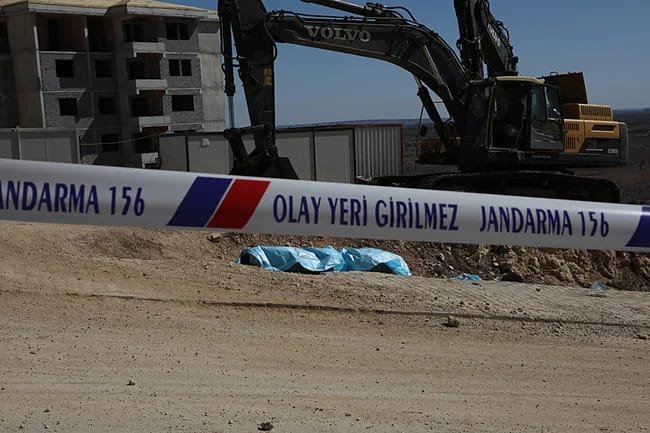
According to a statement issued by Türkiye’s Ministry of Defense on Monday, the missile was intercepted by NATO’s air defense system over the eastern Mediterranean region. Officials explained that the projectile, which had been launched from Iran, was detected and destroyed in mid-air before it could fully approach Turkish territory. However, fragments of the intercepted missile reportedly fell in parts of southeastern Türkiye, specifically in the province of Gaziantep. Authorities confirmed that despite the falling debris, there were no reports of casualties or significant damage.
The defense ministry stressed in its statement that the country’s military remains fully alert to respond to any threats that could undermine Türkiye’s territorial integrity or the safety of its citizens. It also reiterated that Ankara will not hesitate to take additional security measures if circumstances demand further action.
This development comes against the backdrop of a widening regional crisis that began on February 28, when the United States and Israel launched military operations against Iran. Since the start of that conflict, tensions across the Middle East have intensified significantly, prompting several countries in the region to strengthen their defensive posture. Turkish officials suggested that the missile incident should be viewed within the broader context of the current war and the ripple effects it is generating across neighboring states.
Officials in Ankara also noted that this was not the first such interception in recent days. Just last week, NATO’s defense system successfully shot down another ballistic missile that had reportedly been fired from Iran and was heading toward Turkish airspace. That earlier incident had already raised concerns within Türkiye’s security establishment and prompted a stern warning to Tehran, urging it to refrain from launching further missiles in the direction of Turkish territory.
Following the latest interception, the Turkish presidency issued a statement calling on all regional actors to exercise restraint. The statement specifically warned against actions that could endanger civilian populations or undermine regional stability. Turkish officials emphasized that while Ankara remains committed to protecting its national security, it also hopes that diplomatic prudence will prevail among the countries involved in the conflict.
In parallel with its defensive actions, Türkiye has also begun strengthening its military readiness in nearby areas. The Ministry of Defense announced earlier in the day that six F-16 fighter jets along with advanced air defense systems had been deployed to Northern Cyprus. The deployment is part of a broader effort to enhance security arrangements in light of the ongoing war in Iran and the potential risks it may pose to Turkish citizens and strategic interests in the region.
According to defense officials, the deployment is intended to ensure rapid response capabilities in case the situation deteriorates further. Authorities added that additional steps could be taken if the security environment requires more robust measures.
Meanwhile, the eastern Mediterranean has witnessed a noticeable increase in military activity over the past few days. Several European powers have reportedly reinforced their presence on the island of Cyprus, which remains ethnically divided and strategically significant due to its proximity to the Middle East. Analysts believe these moves reflect growing concerns among Western allies about the possibility of the conflict spreading beyond its initial theater.
One of the key factors behind the heightened security alert was an incident last week involving a suspected drone attack. Reports indicated that an Iranian drone targeted the British air base at Akrotiri in Cyprus. Security officials believe the drone may have been launched by Hezbollah, the Lebanese group widely regarded as an ally of Iran. The attempted attack heightened fears that regional proxy groups could become more actively involved in the ongoing conflict.
Following that incident, both European and NATO-aligned forces increased their vigilance and began reinforcing defensive positions around critical installations in the region. Given Cyprus’s geographic location and its importance as a military and logistical hub, security planners consider the island a sensitive area in the current geopolitical climate.
On the other hand, Iran has strongly rejected claims that it has deliberately targeted Türkiye or any other neighboring country. A spokesperson for Iran’s Foreign Ministry stated that Tehran’s policies are not aimed at provoking tensions with regional states. Instead, Iranian officials argue that the country seeks to prevent the conflict from expanding further.
Iran has also urged neighboring countries—including Türkiye and Azerbaijan—to approach the situation with caution and restraint. According to Tehran’s position, the ongoing war has already reached a highly dangerous phase, and misinterpretations or hasty decisions by regional actors could worsen the crisis.
Security analysts note that the series of missile interceptions and military deployments reflects the broader consequences of the Iran-U.S./Israel confrontation. What initially appeared to be a conflict limited to specific actors is now producing ripple effects across the entire region, forcing neighboring states to take precautionary measures.
Türkiye’s decision to intercept the missile and reinforce its defenses is widely interpreted as part of a strategy to prevent the conflict from spilling into its territory. At the same time, Ankara appears to be balancing its military preparedness with diplomatic messaging, urging restraint while maintaining a strong defensive posture.
For now, Turkish authorities insist that the country’s air defense systems remain fully operational and capable of responding to any emerging threat. Military officials have emphasized that the armed forces and air force are on high alert, ready to act if further missile launches or hostile activities occur near Turkish airspace.
Despite these assurances, observers warn that the regional situation remains volatile. As the conflict between Iran and its adversaries continues, the risk of unintended escalation involving neighboring countries cannot be ruled out. For Türkiye and other states in the region, maintaining security while avoiding deeper involvement in the conflict may prove to be an increasingly delicate balancing act in the days ahead.