

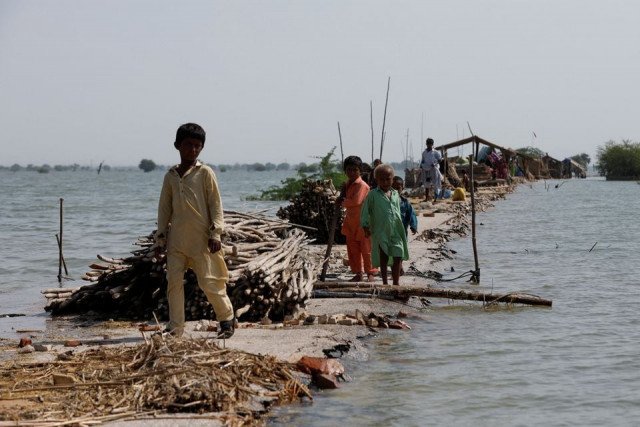
Japan has announced a $2 million humanitarian contribution to support vulnerable communities affected by disasters in Pakistan, a move widely welcomed by the United Nations World Food Programme (WFP). The assistance comes at a time when Pakistan continues to face increasing climate-related challenges, including floods, heatwaves, and other environmental shocks that have severely impacted millions of people across the country.
According to a press statement, the funding will enable the World Food Programme to deliver urgent food assistance to more than 45,000 individuals who have been affected by monsoon flooding and other climate-induced emergencies. Beyond immediate relief, the initiative also focuses on helping affected families rebuild their livelihoods, restore essential assets, and improve their long-term resilience against future crises.
Japanese Ambassador to Pakistan Akamatsu Shuichi highlighted the importance of the ongoing partnership between Japan, Pakistan, and the World Food Programme. He noted that Japan deeply values its longstanding cooperation with both Pakistan and international humanitarian organizations working to support vulnerable populations. He emphasized that the objective of this contribution is not only to address immediate food insecurity but also to support recovery efforts that enable communities to rebuild their lives with dignity.
From the perspective of the World Food Programme, the support has been described as both timely and essential. WFP Country Director and Representative in Pakistan, Coco Ushiyama, expressed appreciation for Japan’s continued engagement, noting that the contribution strengthens efforts to address urgent humanitarian needs while also supporting recovery and resilience-building measures. She emphasized that such assistance helps families protect their remaining resources, recover from losses, and develop greater capacity to withstand future shocks.
Pakistan remains highly exposed to climate-related risks, including extreme heat, prolonged dry spells, glacial lake outburst floods, and increasingly unpredictable monsoon patterns. The situation has been further complicated by the aftermath of the 2025 monsoon floods, which affected approximately 6.9 million people across the country, leaving many communities struggling to rebuild their lives.
Authorities in Pakistan have also raised concerns about the upcoming 2026 monsoon season. According to the National Disaster Management Authority, rainfall levels could be 22 to 26 percent higher than normal, increasing the likelihood of severe flooding. This forecast has intensified calls for stronger preparedness measures, early response mechanisms, and sustained international support to reduce the potential humanitarian impact.
Japan has been a consistent and reliable partner in supporting humanitarian efforts in Pakistan. Since the devastating floods of 2022, the Japanese government has contributed more than $10 million to assist World Food Programme operations in the country. These contributions have played a significant role in delivering emergency food aid and supporting recovery programs in flood-affected regions.
The latest financial assistance reflects a continuation of this long-standing partnership, reinforcing Japan’s commitment to helping Pakistan respond to climate-induced disasters while also strengthening resilience at the community level.