

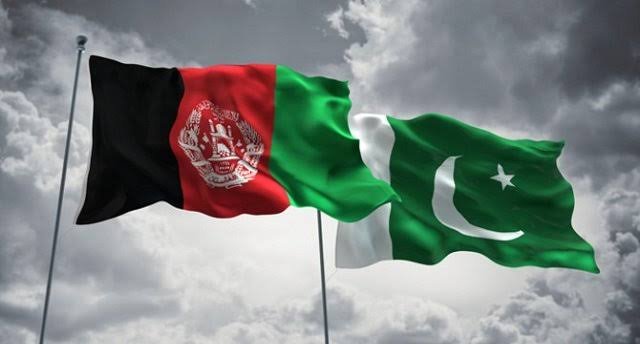
The sudden announcement of a ceasefire between Pakistan and Afghanistan, brokered in Doha after days of deadly border clashes, has brought a temporary sense of relief to a region long accustomed to volatility. Yet beneath the surface of this diplomatic breakthrough lies a complex web of mistrust, militant threats, and political posturing that continues to define the uneasy relationship between the two neighbours.
For years, the Durand Line — a colonial demarcation turned fault line — has symbolised more than just a border. It is a living reminder of intertwined histories, broken promises, and competing sovereignties. The most recent round of violence, which claimed dozens of lives and injured many more, reflects not just a breakdown in communication but a growing strategic divergence between Islamabad and Kabul. Both countries accuse each other of harbouring and enabling militant groups, while the civilian populations on both sides pay the ultimate price.
At the heart of this tension lies Pakistan’s insistence that the Taliban administration in Kabul dismantle the Tehreek-e-Taliban Pakistan (TTP) network operating from Afghan territory. Islamabad’s security establishment has long maintained that groups like TTP and Gul Bahadur are responsible for a string of deadly attacks targeting security forces and civilians inside Pakistan. The Afghan government, however, continues to deny these allegations, framing them instead as politically motivated narratives aimed at undermining its legitimacy.
The Doha meeting, attended by Pakistan’s Defence Minister Khawaja Muhammad Asif and his Afghan counterpart Mullah Yaqoob, marked a significant diplomatic attempt to de-escalate hostilities. Reports indicate that Pakistan presented a “single-point agenda” — the immediate dismantling of terrorist sanctuaries. The Taliban delegation, for its part, agreed to a ceasefire described as “complete and meaningful” by its spokesperson, Zabihullah Mujahid. Yet whether this truce will evolve into a durable peace remains deeply uncertain.
Both sides have agreed to meet again in Istanbul later this month to discuss mechanisms for implementing and monitoring the ceasefire. Qatar and Turkey, acting as mediators, have emphasised the need for transparency and sustainability in the process. But as history has repeatedly shown, ceasefires between these two nations tend to be more of a pause than a solution. Without a clear framework for addressing the root causes of cross-border militancy, such truces often collapse under the weight of mutual suspicion.
What makes this episode particularly concerning is the scale and intensity of recent clashes. Pakistan’s military retaliated forcefully to what it called “unprovoked aggression” from Afghan forces, destroying multiple posts and reportedly killing dozens of militants and soldiers. The Afghan side, however, portrays these strikes as violations of sovereignty, accusing Islamabad of using force as a political instrument. This escalating blame game not only risks another cycle of violence but also threatens to derail the fragile regional stability that South Asia desperately needs.
The Taliban’s stance is shaped by internal and external pressures. Domestically, the group faces the challenge of consolidating power while maintaining ideological unity among its ranks. A crackdown on militant factions like TTP could spark internal divisions, as many of these fighters once shared the same battlefields during the insurgency against U.S.-led forces. Externally, Kabul faces mounting diplomatic isolation and economic hardship, which make confrontation with Pakistan an even riskier gamble. For Islamabad, however, continued tolerance for TTP activity is no longer an option. The recent surge in terrorist incidents has reignited public anger and placed immense pressure on the military leadership to act decisively.
The Doha ceasefire, therefore, represents more of a tactical recalibration than a strategic resolution. Both governments are buying time — Pakistan to reassess its counterterrorism approach, and the Taliban to navigate its fragile internal dynamics. Yet, this window of calm must not be squandered. If managed carefully, the Istanbul follow-up talks could lay the groundwork for a long-overdue dialogue on border management, intelligence sharing, and the status of refugees — issues that have festered for decades.
The international dimension cannot be ignored either. With Qatar and Turkey mediating, the ceasefire reflects a growing regionalization of South Asian security diplomacy. The United States and China, though less directly involved this time, will be watching closely. Stability in Afghanistan remains a key concern for Beijing’s Belt and Road ambitions and Washington’s counterterrorism calculus alike. For Riyadh and Tehran, both seeking influence in the Muslim world, Pakistan and Afghanistan’s peace trajectory could reshape alignments across the broader Islamic bloc.
Ultimately, the real test lies in translating promises into policy. For Pakistan, that means holding the Taliban accountable for any militant incursions, not through rhetoric but through verifiable mechanisms. For Afghanistan, it requires proving that it is a responsible state actor capable of controlling its borders and restraining non-state entities. The global community, meanwhile, must move beyond episodic mediation and invest in sustained engagement that addresses the underlying socio-economic grievances fueling extremism.
Peace, in this context, is not merely the absence of gunfire but the presence of trust. And trust is something both Islamabad and Kabul have long struggled to cultivate. The Doha ceasefire may silence the guns temporarily, but without sincerity and accountability, it risks becoming yet another fleeting chapter in a long history of unfulfilled peace.
For now, the people on both sides of the border — traders, tribesmen, and displaced families — wait once again in hope that this time, perhaps, the guns will stay silent a little longer.