

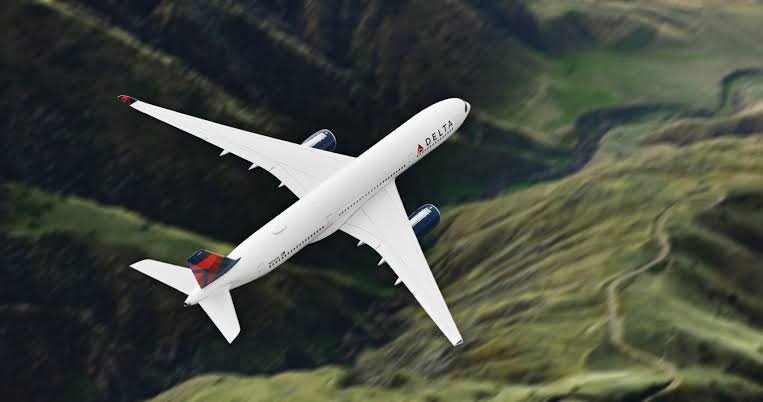
Saudi Arabia’s aviation industry is undergoing one of the most transformative phases in its history. The pace of growth has accelerated dramatically in recent years, with an increasing emphasis on sustainability, innovation, and smart mobility. Among the most significant recent developments is Delta Air Lines’ announcement of a new direct flight route connecting Atlanta and Riyadh.
This is not merely an expansion of air connectivity—it represents a milestone in the Kingdom’s long-term plan to diversify its economy, attract global expertise, and solidify its position as a regional hub for aviation and logistics. The move ties directly into Saudi Arabia’s Vision 2030, which aims to build a modern, sustainable, and globally integrated economy through strategic partnerships, infrastructure development, and environmental responsibility.
Delta’s entry into the Saudi market offers advantages that go far beyond passenger travel. It opens the door to more efficient cargo logistics, technical cooperation, and the transfer of operational knowledge that can help modernize the aviation ecosystem in the Kingdom. By creating a stronger link between North America and Saudi Arabia, this partnership will also encourage bilateral trade, tourism, and investment. For the Saudi government, it signifies that international confidence in its aviation sector is growing rapidly, reflecting the broader success of ongoing reforms across transport, tourism, and technology.
One of the most remarkable aspects of Saudi Arabia’s aviation expansion is its simultaneous commitment to sustainability. The General Authority of Civil Aviation has made it clear that environmental responsibility is now a central pillar of policy, alongside passenger safety and customer experience.
Through its Civil Aviation Environmental Sustainability Program, the regulator is developing frameworks that promote the use of clean energy, sustainable aviation fuel, efficient air traffic management, and carbon-reduction technologies. This program represents a major shift in how aviation is managed—away from purely operational goals toward a balanced model that considers both growth and environmental impact.
Delta’s global operations provide a valuable blueprint for this transition. The airline has already established itself as one of the most progressive carriers when it comes to decarbonization and sustainable practices. It has committed to achieving net-zero carbon emissions by the year 2050, focusing on fleet modernization, flight-path optimization, and increased reliance on sustainable aviation fuels. These fuels, produced from non-fossil sources, are considered one of the most effective tools for reducing aviation’s environmental footprint.
Delta has also implemented a company-wide “Carbon Council” that continually evaluates operational efficiency—from aircraft weight management to improved engine-cleaning procedures—all of which contribute to reduced fuel consumption and lower emissions. Its fuel-saving achievements in recent years demonstrate how innovation and discipline can create tangible progress without compromising safety or service quality.
Saudi Arabia’s decision to invite such a partner into its growing aviation market could accelerate the adoption of these global best practices. The Kingdom is already working toward the creation of a domestic ecosystem for sustainable aviation fuel, which would not only reduce emissions but also stimulate new industries and create employment opportunities.
Delta’s experience in building partnerships with fuel producers and its involvement in SAF research initiatives can help Saudi stakeholders design similar local frameworks tailored to regional conditions. Furthermore, collaboration on aircraft maintenance, staff training, ground handling, and digital transformation will provide invaluable knowledge transfer that supports long-term capacity building in the Kingdom.
Riyadh’s King Khalid International Airport and several other major Saudi airports have joined international sustainability initiatives that aim to achieve net-zero operations within the next few decades. This aligns with the Saudi Green Initiative, which targets nationwide carbon neutrality by 2060. Aviation is seen as a key contributor to this vision, not only through cleaner fuels but also through electrified ground operations, advanced waste-management systems, and improved energy efficiency across airport facilities. By integrating sustainability at every level—from flight planning to airport management—the Kingdom aims to set a new benchmark for environmentally responsible aviation in the region.
The establishment of a direct connection between Atlanta and Riyadh is therefore much more than a business expansion; it is symbolic of a global collaboration between two economies that share an interest in clean energy and advanced transport systems. The partnership is expected to strengthen Saudi Arabia’s logistics and tourism sectors, offering new opportunities for travelers, investors, and businesses. It also contributes to making Riyadh one of the fastest-rising aviation hubs in the Middle East, capable of competing with other global centers through efficiency, digitalization, and sustainability.
Saudi Arabia’s broader aviation strategy aims to handle hundreds of millions of passengers annually by 2030, develop new airports, and expand air cargo capacity to connect seamlessly with global trade corridors. Each of these ambitions depends on adopting technologies and operational practices that minimize environmental impact while maximizing connectivity and economic growth. The entry of a world-renowned carrier like Delta brings precisely the kind of technical expertise, digital innovation, and sustainability discipline required to meet these goals.
Ultimately, this development is part of a wider transformation that redefines Saudi Arabia’s role in the global aviation network. The Kingdom is no longer content to be a transit point—it is positioning itself as a pioneer in sustainable aviation and smart mobility. With international partnerships, ambitious reforms, and consistent investment in technology, Saudi Arabia is charting a path that combines economic expansion with ecological responsibility. The launch of Delta’s new route symbolizes this modern era of cooperation and progress, showing how global connections can power both development and sustainability in equal measure.