

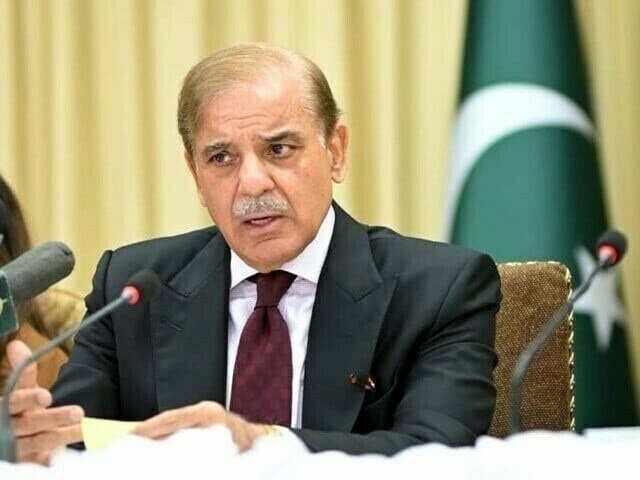
ASHGABAT: Prime Minister Shehbaz Sharif on Friday reiterated Pakistan’s steadfast commitment to the peaceful resolution of global disputes, calling on the international community to pressure the Afghan Taliban to honor their international obligations and curb terrorist activities originating from Afghan soil. Speaking at an international forum held in connection with the International Year of Peace and Trust 2025, the International Day of Neutrality, and the anniversary of Turkmenistan’s permanent neutrality, the prime minister highlighted Pakistan’s efforts to promote global stability and peace.
Peaceful resolution of disputes is a cornerstone of Pakistan’s foreign diplomacy, PM Shehbaz said, underscoring Pakistan’s support for the Gaza Peace Plan and its subsequent endorsement by the UN Security Council. He noted that Pakistan had begun the year as a non-permanent member of the United Nations Security Council, striving to uphold international peace and security. The prime minister expressed concern over the resurgence of terrorism emanating from Afghan territory, urging the global community to press the Taliban regime to meet its international commitments.
He also acknowledged the efforts of Qatar, Turkey, Saudi Arabia, UAE, and Iran in pursuing a permanent ceasefire in conflict zones, describing the situation as fragile but promising. Referring to Afghanistan, he stated that the country faces a stark choice: support terrorists or cooperate with Pakistan in promoting regional security. Highlighting Pakistan’s advocacy for peaceful settlements, he cited the unanimous adoption of UN Security Council Resolution 2788 earlier this year as a strong endorsement of the country’s vision for global peace.
PM Shehbaz emphasized Pakistan’s unwavering support for the Palestinian people and the Kashmiri struggle for self-determination. He linked lasting peace to sustainable development, noting that Pakistan had made significant progress in financial inclusion, women’s empowerment, and integrating marginalized communities into the economic mainstream. Stressing the importance of tackling climate change, he highlighted Pakistan’s commitment to cleaner and greener solutions, ecosystem restoration, and transformative measures in response to climate-induced disasters, including the devastating floods of 2023 and recurring catastrophes in 2025.
He warned that climate change, poverty, and inequality are transnational threats requiring coordinated global action. “Access to advanced technologies, especially digital technologies, must be equitable and without discrimination,” he said, calling for international cooperation based on shared responsibility. The prime minister concluded by urging world leaders to transform zero-sum mindsets into purposeful collaboration, emphasizing the forum as a platform for genuine and urgent action toward a more peaceful and sustainable global order.