

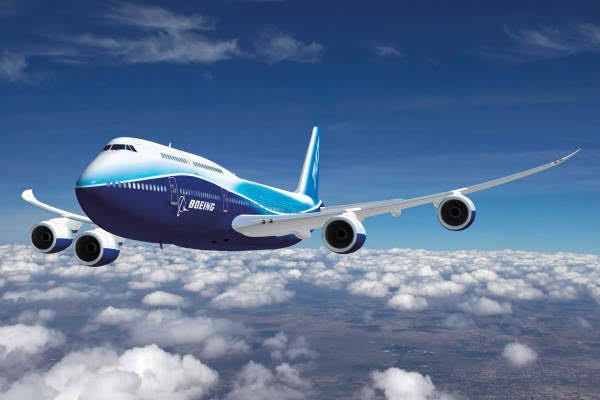
The delivery of the new Boeing jet designated for use by the President of the United States, commonly referred to as Air Force One, has once again been delayed, with the latest updates indicating that the aircraft will face at least a year-long postponement. According to the most recent timeline released by the U.S. Air Force, the first of the two specially outfitted Boeing 747-8 aircraft, officially named VC-25B, will not enter active service until at least 2028. This delay represents a significant shift from earlier expectations and underscores the technical and logistical challenges involved in producing a modern presidential aircraft equipped with state-of-the-art security, communications, and operational systems.
The VC-25B program is part of a long-term contractual agreement between the U.S. Air Force and Boeing, originally signed in 2018 during the first term of former President Donald Trump. At the time of the agreement, the plan was for the first aircraft to be delivered by the end of 2024. However, due to multiple factors, including the integration of advanced communications capabilities and other system enhancements, the new timeline now projects delivery for the middle of 2028.
On December 12, 2025, the Air Force amended its contract with Boeing to include an additional $15.5 million, citing the costs associated with the integration of new communication systems essential for the aircraft’s operational readiness. A U.S. Air Force spokesperson told AFP that these costs were necessary to ensure that the systems could be fully incorporated within the program schedule while meeting all technical and operational requirements.
Previously, the Air Force had indicated that the first VC-25B aircraft would be ready for service in 2027. The latest announcement therefore marks an additional delay of at least a year. Although no specific reasons for the postponement were disclosed, the adjustment reflects the inherent complexities of developing a highly customized aircraft for the Commander-in-Chief of the United States.
When AFP reached out to Boeing for comment, the company responded that all questions regarding the program had been forwarded to the U.S. Air Force, signaling that the service branch is managing inquiries and likely conducting further assessments regarding the revised timeline.
Replacing the current Air Force One fleet with these new VC-25B jets represents one of the most ambitious aerospace projects in the history of the U.S. government. The program has faced multiple delays, budget revisions, and technical challenges over the years.
The original contract called for two aircraft to be fully completed and ready for presidential service by the end of 2024. However, practical obstacles, including the installation of modern communications, security enhancements, and other technical specifications, have consistently pushed the timeline back, demonstrating the difficulties associated with balancing cutting-edge technology with stringent operational standards.
The VC-25B aircraft are designed to provide unparalleled safety, reliability, and advanced communication capabilities for the President of the United States and the accompanying staff.
These aircraft will feature state-of-the-art defensive systems, secure communications, command-and-control capabilities, and office facilities onboard, ensuring that the President can conduct official duties safely while in transit. The integration of these systems is critical not only for operational efficiency but also for national security, making the construction, testing, and certification processes exceptionally complex.
The delay has broader implications beyond the mere delivery schedule. It affects the planning of crew training, simulation exercises, and emergency preparedness drills, all of which must be completed prior to placing the aircraft into active service. Each VC-25B must undergo exhaustive testing and validation to ensure that the advanced systems function flawlessly under a variety of conditions. The safety and efficiency of presidential operations demand that no technical compromise be allowed, which contributes to the extended timeline.
The scale and complexity of the project make it a formidable challenge for both Boeing and the U.S. Air Force. The aircraft’s size, advanced technology, and the exacting security standards have historically made production schedules difficult to maintain. Each component must meet rigorous specifications, and even minor technical adjustments can have cascading effects on delivery timelines. Despite these hurdles, the VC-25B jets are expected to provide unprecedented capabilities in terms of operational security, communications, and presidential mobility once they are completed.
These new Boeing 747-8 aircraft will not only replace the aging Air Force One fleet but also serve as a symbol of advanced aerospace engineering and strategic readiness. They will enable the President to travel globally with the highest levels of security and efficiency, while also maintaining continuity of command and communication in any scenario. In addition to the technical upgrades, the new jets will feature enhanced interior layouts designed for operational functionality, including workspaces, secure briefing rooms, and other facilities tailored to meet the demands of the U.S. presidency.
Originally, the contract signed in 2018 anticipated delivery by 2024, but practical realities and the need to integrate sophisticated systems have shifted the timeline to 2028. This represents at least a four-year delay from the initial projections, highlighting the challenges of balancing technological sophistication, budgetary constraints, and operational readiness. The VC-25B program is thus both a logistical and historical undertaking, reflecting the complexity of ensuring that the nation’s leader can travel safely, securely, and effectively anywhere in the world.
In summary, the VC-25B program remains a crucial initiative for the United States Air Force and the nation’s defense infrastructure. The latest delay highlights the meticulous care and technical precision required to produce a next-generation Air Force One capable of meeting the evolving security, communication, and operational needs of the U.S.
President. Despite the setbacks, the program represents a significant investment in national security and global presidential mobility. The aircraft, once delivered, will offer a combination of advanced technology, operational reliability, and safety measures unparalleled in any other aircraft in the world, ensuring that the President can fulfill official duties seamlessly and securely, whether domestically or abroad.