

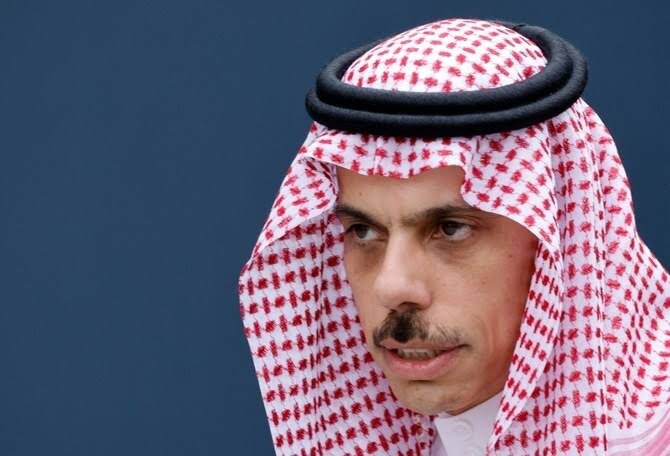
Saudi Arabia’s capital, Riyadh, became a focal point for global dialogue and intercultural engagement as it hosted the 11th Global Forum of the United Nations Alliance of Civilizations, an event bringing together political leaders, diplomats, religious figures, youth representatives, and international organizations from across the world. The gathering underscored the Kingdom’s growing role in promoting dialogue, tolerance, and cooperation in an increasingly complex and multipolar global environment.
During the opening session, Saudi Arabia’s Minister of Foreign Affairs, Prince Faisal bin Farhan bin Abdullah, delivered a comprehensive address that set the tone for the forum. His remarks emphasized the importance of communication between civilizations and cultures, while placing particular focus on the role of younger generations in shaping a more peaceful future. According to the foreign minister, youth are not merely participants in global discussions but central drivers of progress, understanding, and reconciliation in societies facing division and conflict.
The forum, hosted by Saudi Arabia under the theme “Two Decades of Dialogue for Humanity: Advancing a New Era of Mutual Respect and Understanding in a Multipolar World,” reflects an effort to take stock of global dialogue initiatives over the past twenty years. At the same time, it seeks to identify new paths forward at a time when geopolitical tensions, cultural misunderstandings, and ideological polarization continue to challenge international stability.
High-level participation added weight to the discussions, with United Nations Secretary-General Antonio Guterres in attendance, alongside Miguel Ángel Moratinos, the UN High Representative for the Alliance of Civilizations. Their presence highlighted the importance the UN places on the forum as a platform for inclusive dialogue and cooperative problem-solving. In addition, the event welcomed foreign ministers from various countries, senior political figures, religious leaders from different faiths, heads of international and regional organizations, and representatives of civil society, all contributing diverse perspectives to the conversations.
In his address, Prince Faisal bin Farhan underlined that Saudi Arabia’s decision to host the forum is a clear demonstration of its commitment to the principles and objectives of the United Nations. He stressed that the Kingdom actively supports international efforts aimed at encouraging understanding among different cultures, promoting tolerance, and rejecting narratives of hatred and extremism. According to him, such values are not abstract ideals but practical necessities for ensuring peaceful coexistence in today’s interconnected world.
The foreign minister also linked the forum’s objectives to Saudi Arabia’s long-term national development strategy, Vision 2030. He explained that Vision 2030 is rooted in the principles of moderation, openness, and constructive engagement with other cultures and civilizations. By encouraging dialogue and mutual respect, the strategy seeks to build a society that is confident in its identity while remaining receptive to global exchange. Prince Faisal emphasized that combating hate speech and extremist ideologies is a shared responsibility that requires cooperation at both national and international levels.
A significant portion of the minister’s remarks focused on the importance of reviewing past experiences in intercultural dialogue. He noted that the 11th session of the UN Alliance of Civilizations offers a valuable opportunity to reflect on what has been achieved over the past two decades, assess the effectiveness of previous initiatives, and learn from both successes and shortcomings. Such reflection, he said, is essential for developing more effective approaches to managing diversity and addressing misunderstandings between civilizations and religions.
Central to Prince Faisal’s message was the role of youth in shaping the future of global relations. He highlighted that young people possess the energy, creativity, and openness necessary to bridge divides and foster peaceful coexistence. In his view, empowering youth and providing them with platforms to express their ideas is critical for building resilient and inclusive societies. He described young people as future leaders whose actions and attitudes will determine whether the world moves toward cooperation or deeper fragmentation.
Expressing visible satisfaction with the level of youth engagement at the forum, Prince Faisal remarked on the strong presence of young participants in the audience. He noted that their involvement was not symbolic but substantive, reflecting a genuine effort to integrate youth perspectives into high-level international discussions. According to him, seeing so many young individuals actively participating reinforced the belief that meaningful change begins with inclusive dialogue that spans generations.
To further emphasize this commitment, the forum’s program includes a dedicated youth forum running alongside the main sessions. This parallel initiative is designed to provide young participants with opportunities to engage directly with global leaders, exchange ideas, and contribute to policy-oriented discussions on dialogue and peacebuilding. In addition, the venue is hosting the graduation ceremony for the eighth cohort of the Salam Project for Civilizational Communication’s Young Leaders Qualification Program, an initiative aimed at equipping young individuals with the skills and knowledge needed to promote intercultural understanding.
Prince Faisal pointed out that these youth-focused activities demonstrate that the UN Alliance of Civilizations forum is, in many ways, a forum centered on young people. By placing youth at the heart of the event, the organizers aim to ensure that future strategies for dialogue and cooperation are informed by the perspectives of those who will inherit the outcomes of today’s decisions.
The broader objectives of the forum extend beyond ceremonial speeches and symbolic gestures. Participants are expected to engage in substantive discussions addressing contemporary global challenges, including rising intolerance, misinformation, cultural polarization, and conflicts fueled by identity-based divisions. By fostering open communication and collaborative problem-solving, the forum seeks to develop practical recommendations that can enhance mutual understanding and contribute to international peace and stability.
Over the course of the event, sessions are focused on evaluating the progress made in promoting intercultural dialogue over the past twenty years while identifying gaps that still need to be addressed. The aim is to strengthen cooperation between governments, international organizations, civil society, and local communities in order to create sustainable frameworks for dialogue. In a world marked by rapid change and shifting power dynamics, such cooperation is increasingly seen as essential for preventing conflict and building trust among nations.
Saudi Arabia’s role as host reflects its broader efforts to position itself as a bridge between cultures and a supporter of global dialogue initiatives. By convening leaders and youth from around the world, the Kingdom seeks to contribute to a global environment in which diversity is viewed as a source of strength rather than division. The forum’s emphasis on mutual respect, understanding, and peaceful coexistence aligns closely with these aspirations.
As discussions continue, the 11th Global Forum of the UN Alliance of Civilizations stands as a reminder that dialogue remains one of the most powerful tools for addressing global challenges. By bringing together voices from different backgrounds and generations, the event highlights the potential for cooperation in shaping a more inclusive and peaceful future. At the heart of this vision lies the belief, strongly articulated by Prince Faisal bin Farhan, that youth are not only the leaders of tomorrow but also the messengers of peace who can guide humanity toward greater understanding and harmony.