

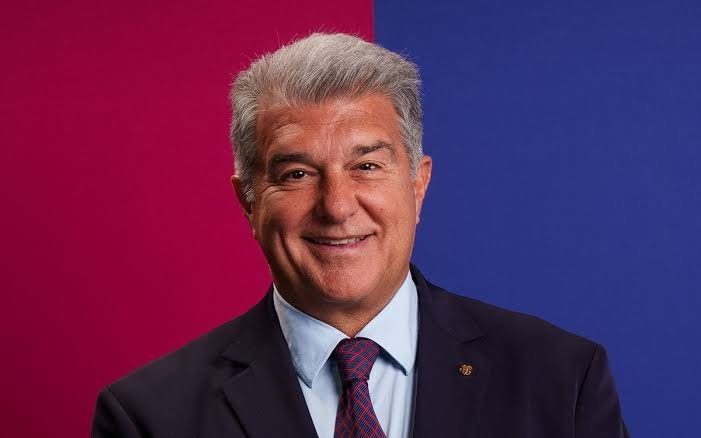
FC Barcelona President Joan Laporta has offered an extensive and highly appreciative assessment of Saudi Arabia’s growing influence in global sports, describing the Kingdom as a destination that has rapidly earned international recognition through its ability to host elite-level sporting events. His remarks reflect not only satisfaction with Barcelona’s experience in the Kingdom but also a broader endorsement of Saudi Arabia’s long-term vision for sports, football in particular.
Speaking during his visit in connection with the Spanish Super Cup, Laporta emphasized that Saudi Arabia is no longer merely an emerging player in international sports but has already secured a prominent position on the world stage. He noted that by successfully organizing high-profile tournaments involving top European clubs, the Kingdom has demonstrated its organizational capacity, professionalism, and commitment to excellence. According to him, the Spanish Super Cup’s presence in Saudi Arabia is a clear example of how the country has become a trusted host for major international competitions.
Laporta highlighted the overall environment provided to teams, stressing that the standard of sporting infrastructure in Saudi Arabia meets—and in some areas exceeds—global expectations. He explained that from the moment teams arrive, they encounter facilities designed to support high-performance football. Training complexes, he said, are modern, well-maintained, and fully equipped to meet the needs of elite athletes. The quality of the playing surfaces, in particular, drew praise, with Laporta noting that the pitches were in excellent condition and suitable for top-level competitive matches.
The Barcelona president also underlined the importance of such facilities when teams are required to compete across several days in a condensed tournament format. He explained that recovery, preparation, and training are critical factors in determining performance, and Saudi Arabia’s infrastructure allows clubs to maintain peak physical and tactical standards throughout the competition. This, he said, reflects careful planning and a deep understanding of what professional football demands.
Expressing his personal satisfaction, Laporta said the club was genuinely pleased to be in Jeddah. He described the city as welcoming and vibrant, adding that the hospitality extended to teams and officials contributed significantly to the positive experience. He made a point of thanking the organizers and local authorities, acknowledging the effort and coordination required to deliver an event of such scale smoothly and efficiently. According to him, the high level of organization was evident not only on match days but throughout the entire stay.
Beyond the Spanish Super Cup, Laporta also shared his views on Saudi Arabia’s future role in global football, particularly in light of its successful bid to host the 2034 FIFA World Cup. He predicted that the tournament would be exceptionally successful, pointing to several factors that, in his opinion, position Saudi Arabia well to deliver a memorable World Cup. Among these, he mentioned the country’s strong focus on security and safety, which he described as a fundamental requirement for any major international event.
He further noted that Saudi Arabia has already invested heavily in football-related infrastructure, including stadiums, training facilities, transportation networks, and accommodation. These investments, Laporta said, are not theoretical plans but visible realities that continue to develop at a rapid pace. He added that the Kingdom’s commitment to football at all levels—from grassroots initiatives to elite competitions—creates a solid foundation for hosting a global event like the World Cup.
Laporta also spoke about the role of fans, emphasizing that Saudi Arabia’s football supporters are passionate, knowledgeable, and deeply engaged with the sport. He suggested that this enthusiasm would play a key role in shaping the atmosphere of a future World Cup, making it vibrant and emotionally charged. According to him, fan energy is a crucial element of any successful tournament, and Saudi Arabia possesses this quality in abundance.
Addressing cultural aspects, Laporta acknowledged that Saudi Arabia has its own traditions and social norms, which may differ from those in Europe or other regions. However, he was quick to add that cultural differences should be viewed as a strength rather than a challenge. In his view, cultural diversity enriches international sporting events, offering players, fans, and visitors an opportunity to experience something unique. He expressed confidence that a World Cup held in such a culturally rich setting would stand out as a distinctive and rewarding experience for everyone involved.
Turning back to FC Barcelona, Laporta took time to recognize the club’s supporters in Saudi Arabia. He expressed gratitude for the strong following Barcelona enjoys in the Kingdom, noting that Saudi fans consistently show enthusiasm, loyalty, and affection for the club. He described their support as both visible and heartfelt, whether in stadiums, public spaces, or online platforms.
Laporta said that the presence of such passionate supporters adds extra motivation for the team. He expressed hope that Barcelona would succeed in the Spanish Super Cup final, explaining that a victory would be a way to give back to fans in Saudi Arabia as well as supporters across the globe. Winning the trophy, he said, would not only be a sporting achievement but also a shared moment of joy between the club and its international fan base.
Laporta’s remarks painted a comprehensive picture of Saudi Arabia as a country that has moved decisively onto the global sporting map. Through high-quality facilities, effective organization, strong fan engagement, and a clear long-term vision, the Kingdom has positioned itself as a reliable and attractive host for world-class events. Whether discussing present tournaments like the Spanish Super Cup or future milestones such as the 2034 FIFA World Cup, Laporta conveyed confidence that Saudi Arabia is fully prepared to meet—and exceed—the expectations of the international football community.