

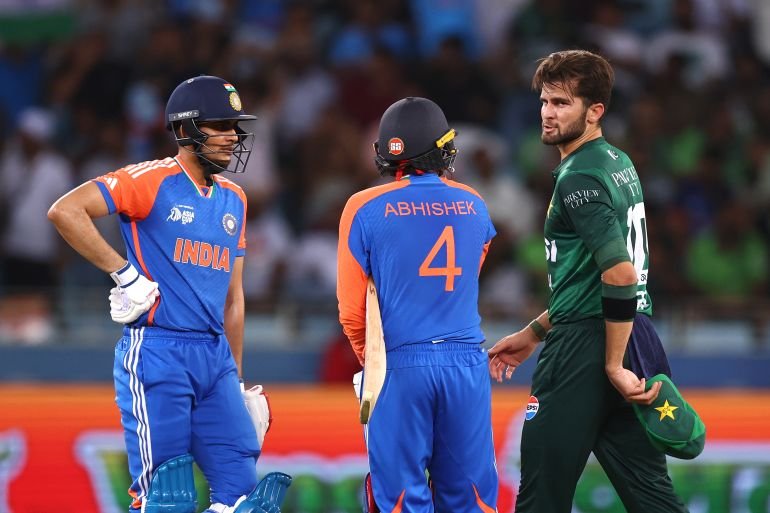
In a major diplomatic and sporting development, the Pakistan Cricket Board (PCB), International Cricket Council (ICC), and Bangladesh Cricket Board (BCB) have successfully concluded high-level discussions regarding the T20 World Cup 2026, a move widely hailed by cricketing authorities in the region. This resolution paves the way for Pakistan to participate in its much-anticipated match against arch-rival India, scheduled for February 15 in Colombo, restoring confidence among fans, players, and international observers alike.
Initially, Pakistan had decided to abstain from playing India in solidarity with Bangladesh, which had withdrawn from the tournament due to security concerns regarding travel to India. This decision reflected Pakistan’s support for Bangladesh’s stance, acknowledging the difficulties faced by the smaller cricketing nation and respecting the principles of fairness and security in international cricket. However, following intensive negotiations between the PCB, ICC, and BCB, a path forward was reached that balanced both sporting interests and diplomatic sensitivities.
The breakthrough came after ICC Deputy Chairman Imran Khwaja traveled to Lahore to hold face-to-face consultations with PCB Chairman Mohsin Naqvi. The meeting, attended by BCB President Aminul Islam, sought to reconcile the differing positions and ensure the tournament’s smooth continuation. Discussions spanned multiple hours, focusing on logistics, security assurances, and maintaining the spirit of cricket while addressing the concerns of all parties involved.
Ultimately, the decision to allow Pakistan to field its team against India was formally taken under the direct guidance of Prime Minister Shehbaz Sharif. After receiving a detailed briefing from PCB Chairman Mohsin Naqvi regarding the outcomes of these deliberations, the prime minister gave his consent, emphasizing the importance of safeguarding the integrity of cricket and ensuring continuity in one of the world’s most celebrated sporting competitions. The announcement underscored Islamabad’s commitment to supporting international cricket and upholding the sport’s global standards.
The outcome of the deliberations has been widely welcomed by cricket administrators in India as well. Rajeev Shukla, Vice President of the Board of Control for Cricket in India (BCCI), described the resolution as a “win-win situation” that benefits all stakeholders. Speaking to Indian media, Shukla praised the ICC’s proactive role in mediating between the boards, calling it a “major success” for international cricket diplomacy. He highlighted that the decision not only ensures that Pakistan participates in the World Cup but also provides relief to Bangladesh, whose concerns were addressed during the negotiation process.
Shukla noted that the scheduling of the February 15 match in Colombo is significant not just from a cricketing standpoint, but also for maintaining regional harmony in the sport. He emphasized that the successful coordination among the ICC, PCB, and BCB sets a positive precedent for handling sensitive situations in international cricket, ensuring that disputes are resolved through dialogue rather than confrontation. According to him, the resolution demonstrates the ability of cricket’s governing bodies to maintain balance, fairness, and the sport’s overarching spirit even amid politically sensitive scenarios.
From Pakistan’s perspective, the government and cricketing authorities have stressed that the decision prioritizes the continuity of the game while respecting international norms and sporting etiquette. Officials explained that the discussions involved detailed planning regarding security arrangements, travel logistics, and player safety to ensure that the match can proceed without compromising any party’s concerns. In doing so, the PCB has not only safeguarded Pakistan’s competitive interests but has also reinforced the nation’s reputation as a responsible and cooperative participant in global cricket.
The significance of the decision extends beyond a single match. Experts argue that resolving this issue amicably demonstrates the maturity and professionalism of cricket administration in South Asia. It sends a message that even high-stakes situations involving national rivalries and geopolitical sensitivities can be handled through dialogue, collaboration, and adherence to shared sporting values. Moreover, it ensures that fans across Pakistan, India, and Bangladesh can enjoy the tournament without disruption, preserving the excitement and financial benefits associated with the world’s most lucrative cricket fixtures.
The broader implications also include the positive impact on international cricket governance. By working together, the ICC and member boards have shown that the organization can play an effective mediating role, maintaining the credibility and authority of global cricket institutions. The resolution reinforces the ICC’s mandate to oversee fairness in the sport while protecting smaller cricketing nations from undue pressures. It also illustrates how disputes that could potentially disrupt international tournaments can be resolved through structured dialogue, ensuring that cricket remains a unifying force rather than a divisive one.
In practical terms, the match between Pakistan and India represents a key fixture in the T20 World Cup 2026. With millions of viewers across the globe, it is one of the most commercially significant games, generating substantial revenue from broadcasting rights, sponsorships, and advertising. The resolution not only preserves these financial stakes but also maintains the competitive integrity of the tournament, ensuring that fans witness top-level cricket between two of the sport’s most iconic teams.
BCCI Vice President Rajeev Shukla reiterated that the amicable conclusion of the talks has strengthened relations between cricket boards and enhanced cooperation in future tournaments. He expressed optimism that the T20 World Cup 2026 will set a benchmark for successfully navigating politically sensitive scenarios in sport, emphasizing that all participating nations, including Pakistan, Bangladesh, and India, can emerge with mutual benefits. Shukla described the arrangement as a demonstration of cricket diplomacy, where collaboration and compromise safeguard the game while promoting goodwill among nations.
The PCB, for its part, continues to highlight the role of Prime Minister Shehbaz Sharif in ensuring that cricket remains a bridge for regional cooperation. Islamabad’s decision reflects a delicate balance between sporting commitments and diplomatic considerations, ensuring that Pakistan’s players and fans can fully engage with the tournament while maintaining solidarity with its regional partners. Officials noted that extensive preparations, including security protocols, player welfare measures, and logistical arrangements, have been put in place to facilitate Pakistan’s participation without any incidents.
In summary, the resolution of the dispute over Pakistan’s participation in the ICC T20 World Cup 2026 against India reflects a multi-layered success. It demonstrates the effectiveness of international cricket governance, underscores the importance of dialogue in resolving disputes, and ensures that the sport’s integrity is maintained across national and regional boundaries. Fans, players, and administrators alike can take pride in a solution that not only safeguards the tournament but also strengthens collaboration among cricketing nations. The decision ultimately underscores that cricket, beyond national rivalries, can serve as a platform for diplomacy, cooperation, and shared enjoyment on a global scale.