

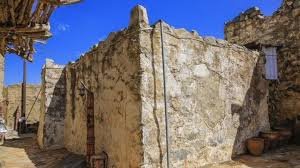
The restoration of Sadreed Mosque in Al-Namas marks a significant milestone in Saudi Arabia’s ongoing efforts to safeguard its religious and architectural heritage. As part of the ambitious Prince Mohammed bin Salman Project for the Development of Historical Mosques, this historic mosque in the Aseer Region has been carefully revived to preserve its spiritual role and architectural authenticity while ensuring its readiness for contemporary worshippers.
Located in the mountainous governorate of Al-Namas in the culturally rich Aseer Region, the mosque stands as one of the oldest surviving religious landmarks in the area. Its origins trace back to the year 170 AH (786 AD), during the era of the Abbasid Caliph Harun al-Rashid.
This period is widely regarded as one of intellectual prosperity and administrative consolidation in Islamic history. The mosque’s long-standing presence since that era reflects not only its architectural resilience but also its deep spiritual importance to generations of worshippers.
Covering an area of approximately 138 square meters, the structure may appear modest in size, yet its historical and cultural value is immense. For centuries, it served as the primary venue for Friday congregational prayers in the region, functioning as a central gathering place for religious observance, social interaction, and communal decision-making.
In traditional Arabian towns, mosques were far more than prayer spaces; they were the heart of civic and moral life. Sadreed Mosque exemplifies this legacy, having played a pivotal role in shaping the spiritual identity of the local community.
The restoration project was undertaken with exceptional care to retain the mosque’s distinctive Aseer architectural character. Architecture in the Aseer highlands is known for its harmony with the natural environment and its reliance on locally sourced materials. The mosque’s thick stone and mud walls were preserved and reinforced using techniques compatible with their original composition. These materials, historically chosen for their durability and insulation properties, provide natural temperature regulation against the region’s varying climate.
One of the most striking features of the mosque is its roof, constructed from trunks of native juniper trees. Juniper wood has long been utilized in Aseer construction due to its strength and availability in the mountainous terrain. During the restoration, specialists ensured that the roof structure was stabilized without compromising its traditional craftsmanship. Every effort was made to avoid replacing original components unless absolutely necessary, reflecting a broader commitment to authenticity.
The project relied on skilled Saudi engineers, architects, and heritage specialists who possess expertise in conservation practices tailored to historical religious structures. Rather than introducing modern materials that might alter the building’s character, the restoration adhered to sustainable preservation standards. This approach balanced structural safety with historical integrity, ensuring that the mosque remains both secure and true to its original design.
Beyond structural rehabilitation, the initiative sought to revive the mosque’s spiritual atmosphere. Interior spaces were respectfully restored to reflect their historical layout, allowing worshippers to experience a sense of continuity with the past. Careful attention was given to maintaining traditional proportions, natural lighting, and the simplicity that characterizes early Islamic architectural aesthetics.
The broader vision behind this restoration aligns with the objectives of Saudi Vision 2030. This national transformation strategy emphasizes the protection and celebration of Saudi Arabia’s cultural and historical assets. By revitalizing heritage mosques, the initiative supports tourism, education, and community engagement while strengthening national identity. Historical sites are not merely preserved as static monuments; they are reintegrated into daily life as living centers of worship and culture.
In restoring Sadreed Mosque, the project also reinforces the idea that modernization and heritage preservation can coexist. While Saudi Arabia continues to expand its urban infrastructure and technological capabilities, it simultaneously invests in conserving landmarks that embody its civilizational roots. Such efforts communicate a message of balance—honoring the past while preparing for the future.
The mosque’s renewed role extends beyond religious services. It stands as an educational symbol for younger generations, offering tangible insight into early Islamic history and regional building traditions. Visitors can observe firsthand how communities historically adapted architecture to their environment using available natural resources. This knowledge fosters appreciation for traditional craftsmanship and sustainable design principles that remain relevant today.
Furthermore, the restoration strengthens local pride. For residents of Al-Namas, the mosque is more than an ancient structure; it is a testament to their ancestors’ faith, resilience, and creativity. By preserving its original materials and architectural vocabulary, the project safeguards an essential part of community memory. It also enhances the cultural landscape of the Aseer Region, known for its distinctive heritage villages and artistic traditions.
The Prince Mohammed bin Salman Project for the Development of Historical Mosques operates under a comprehensive framework that includes surveying historical mosques across the Kingdom, documenting their architectural features, and implementing scientifically grounded restoration plans. Sadreed Mosque represents one of many sites receiving attention under this nationwide initiative. Each restored mosque contributes to a larger narrative of heritage conservation and national continuity.
Importantly, the project emphasizes environmental sustainability. Traditional construction techniques often relied on materials with minimal environmental impact. By preserving and replicating these methods, the restoration reduces the carbon footprint typically associated with large-scale renovations. The use of local materials and expertise also supports regional economies and craftspeople.
The revival of Sadreed Mosque illustrates how historical preservation can serve multiple dimensions—religious, cultural, educational, environmental, and social. It ensures that the mosque remains a functioning house of worship rather than a relic disconnected from contemporary life. Congregational prayers once again fill its space, linking present-day worshippers with centuries of devotion.
In essence, the restoration safeguards a sacred landmark that has witnessed over a millennium of history. From the Abbasid era to the modern Saudi state, the mosque has endured shifting political and social landscapes while maintaining its core spiritual purpose. Today, through meticulous conservation and visionary planning, it stands renewed—honoring its origins while embracing its continued role in community life.
The completion of this restoration is therefore not merely a construction achievement but a reaffirmation of cultural stewardship. By preserving Sadreed Mosque, Saudi Arabia demonstrates its commitment to protecting historical treasures that define its identity. As part of the broader Vision 2030 transformation, such initiatives ensure that the Kingdom’s architectural and spiritual heritage will endure for generations to come.