

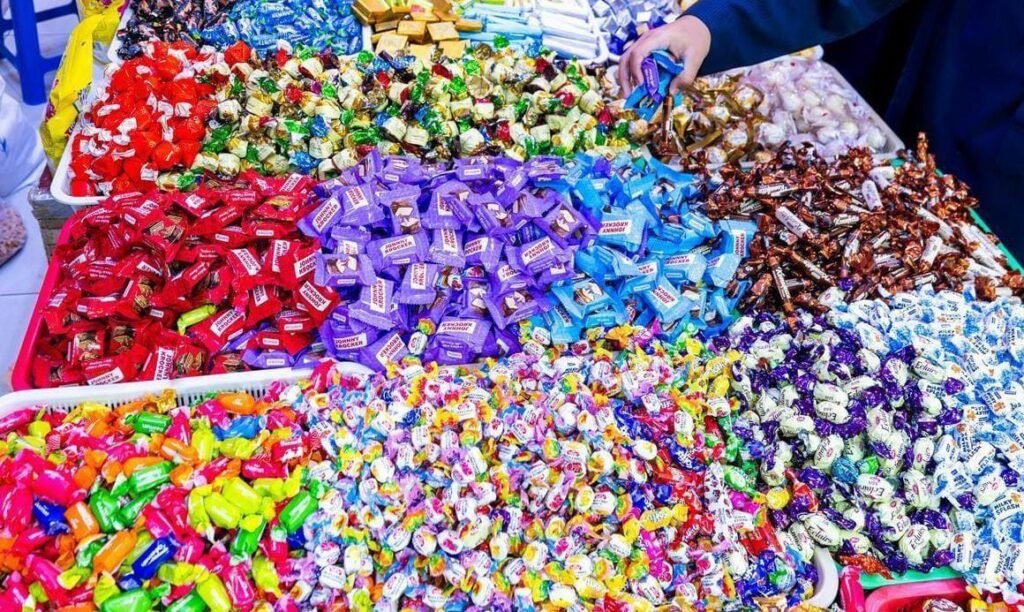
In the final days leading up to Eid Al-Fitr, the streets and markets of Jeddah come alive with a distinctive energy and bustle, as residents eagerly prepare for one of the most celebrated occasions in the Islamic calendar. Shops, particularly those specializing in sweets and confectioneries, witness a remarkable surge in activity, drawing large numbers of customers who are keen to select an assortment of treats for family gatherings, festive feasts, and social visits during the holiday period.
This annual preparation is not only a reflection of religious observance but also an expression of cultural tradition, where sweets play a central role in celebrations and social customs.
A visit by the Saudi Press Agency to several prominent shopping districts and markets in Jeddah revealed streets filled with shoppers navigating crowded lanes, exploring colorful displays, and selecting items with care. Sweet shops, in particular, are meticulously arranged, with shelves and counters brimming with an array of delicacies.
These include traditional Hijazi sweets, such as kahk, maamoul, and dates filled with nuts, alongside modern confections that cater to contemporary tastes, blending innovation with heritage. The diversity of offerings reflects the city’s rich culinary culture and the growing demand for products that honor both tradition and modern preferences.
Shop owners report that the weeks leading up to Eid witness the highest sales volume of the year. Preparations for the festive season begin well in advance, with many businesses placing special orders to ensure that popular sweets are available in sufficient quantities.
Staff members are often seen arranging products, decorating shop fronts, and creating visually appealing displays that highlight the festive spirit. Windows and interiors are adorned with decorations inspired by Hijazi heritage, including lanterns, geometric patterns, and ornate motifs that evoke a sense of cultural pride and celebration. These visual elements serve both aesthetic and commercial purposes, attracting shoppers’ attention and encouraging them to purchase gifts and treats for loved ones.
The atmosphere in Jeddah’s markets during this period is characterized by a mix of anticipation, joy, and careful planning. Families often visit multiple shops to compare selections, while individuals explore new varieties of sweets introduced each year.
The interactions between shopkeepers and customers reflect long-standing relationships in the community, with many vendors offering personalized advice on selections, packaging, and quantities needed for different gatherings. For many residents, the process of buying sweets is as much a social and communal activity as it is a preparatory task, with conversations, recommendations, and shared tastes forming part of the cultural experience.
In addition to sweets, other markets and shopping centers are busy with people acquiring decorations, gifts, and specialty items for Eid celebrations. Retailers note that the period immediately before the holiday sees a significant increase in foot traffic, not only in traditional markets but also in modern shopping malls where global brands and local businesses coexist. This convergence creates a dynamic retail environment where cultural traditions meet contemporary consumer practices, highlighting Jeddah’s role as a vibrant economic and cultural hub in the region.
Economic data collected from local businesses indicate that sales during the final days of Ramadan can account for a substantial portion of annual revenue for shops specializing in sweets and festive goods. This economic impact underscores the importance of Eid as both a cultural and commercial event, providing employment opportunities, encouraging local production, and fostering a market for artisanal and specialty products. Shopkeepers emphasize that maintaining quality and authenticity is crucial, as customers often seek the finest ingredients, traditional recipes, and aesthetically appealing packaging.
The variety of sweets available caters to all segments of society, ranging from high-end luxury confections to more affordable options for everyday families. This inclusivity ensures that residents of diverse economic backgrounds can partake in the festive spirit, preserving the communal and familial nature of the celebrations. In many households, the purchase of sweets marks the beginning of a series of preparations that include home decorations, gift wrapping, and planning for social gatherings, reinforcing the interconnectedness of cultural, religious, and economic practices.
Moreover, the markets are not just a place for purchasing goods; they also serve as a cultural arena where traditions are transmitted across generations. Children and young adults accompanying their families observe the rituals, learn the names and significance of different sweets, and participate in the excitement of selecting items for the occasion. This experiential learning helps preserve culinary and festive customs, ensuring that the heritage associated with Ramadan and Eid Al-Fitr continues to thrive.
Shopkeepers report that the demand for sweets rises steadily as the final days of Ramadan approach, often resulting in crowded conditions and longer waiting times. To meet this demand, many stores extend their hours, increase staffing, and prepare additional stock to accommodate the influx of customers. The dedication of merchants and their staff contributes significantly to the festive experience, as shoppers are able to find everything they need under one roof while enjoying a lively and celebratory atmosphere.
Social media and local advertising play a growing role in informing residents about new product offerings, special discounts, and exclusive items for Eid. Many businesses leverage online platforms to announce seasonal promotions, showcase decorative displays, and attract a wider audience, blending traditional market practices with modern marketing techniques. These strategies have enhanced the accessibility of festive goods and have allowed residents to plan their purchases more efficiently, ensuring that no family is left without the sweets that symbolize joy, generosity, and hospitality.
The sensory experience of visiting Jeddah’s markets during this period is unparalleled. The aroma of freshly prepared sweets, the sight of vibrant displays, the sound of bustling shoppers, and the feel of intricately packaged items combine to create a multisensory environment that embodies the spirit of Ramadan and the approaching Eid festivities. Shopkeepers note that the visual appeal of their displays, often featuring colorful trays, decorative boxes, and artistic arrangements, is as important as the taste of the sweets themselves, highlighting the interplay between tradition, aesthetics, and commerce.
Local authorities have also taken steps to manage the increased crowds, ensuring that safety, cleanliness, and accessibility are maintained in major shopping areas. Parking arrangements, traffic management, and public transport services are coordinated to facilitate smooth access to markets, allowing residents to shop comfortably despite the surge in activity. These efforts complement the businesses’ own preparations, creating a holistic environment where tradition, commerce, and community needs are balanced effectively.
As residents complete their purchases, many also engage in gift-giving, packaging sweets for neighbors, friends, and family members. This practice strengthens social bonds and reflects the communal and charitable aspects of the Eid celebration, which emphasize generosity, hospitality, and shared joy. The selection and presentation of sweets are thus intertwined with cultural and religious values, making each purchase an act that carries both personal and social significance.
The final days of Ramadan in Jeddah represent a period of heightened commercial, cultural, and social activity. Sweet shops and markets become centers of preparation, not merely for consumption but for sustaining traditions, supporting local economies, and reinforcing communal bonds. The combination of traditional Hijazi-inspired sweets, modern confections, decorative displays, and the vibrant participation of residents creates an environment that is both festive and culturally rich.
From the careful planning of purchases to the joyous anticipation of family gatherings, these markets embody the essence of Ramadan and the celebratory spirit of Eid Al-Fitr, ensuring that the season is experienced fully across every neighborhood and household in the city.