

Amid ongoing tensions surrounding Iran, new signals from Washington suggest that financial responsibility for any potential conflict could become a subject of international discussion. According to recent remarks from the White House, the idea of involving Arab nations in covering war-related expenses has surfaced as part of broader strategic thinking.
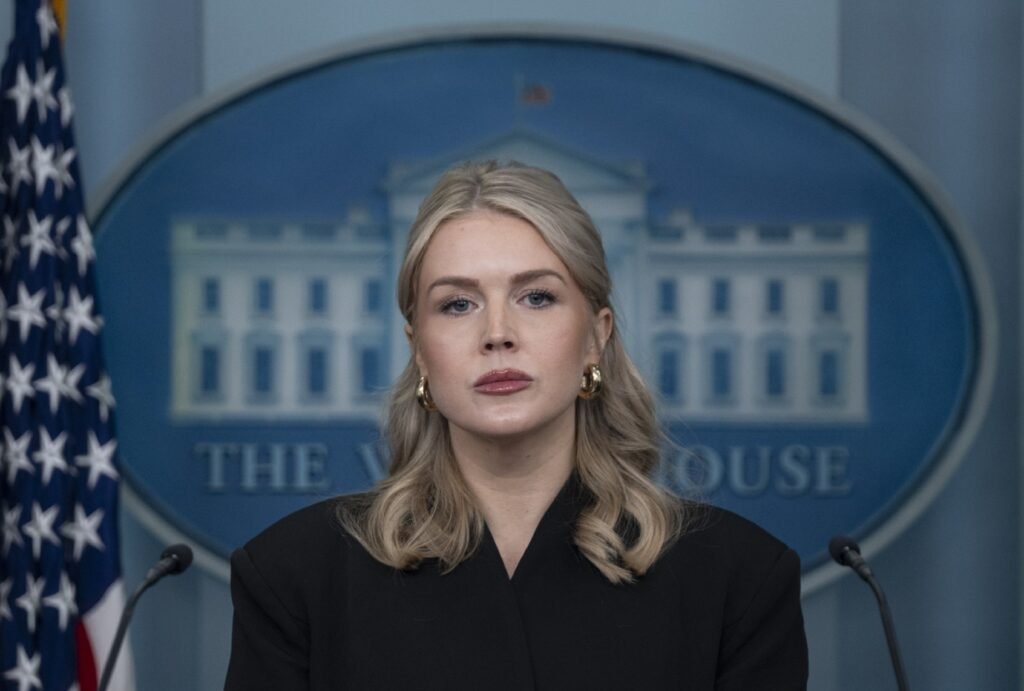
Speaking during a media briefing, White House spokesperson Karoline Leavitt indicated that Donald Trump has shown interest in the concept of asking Arab countries to contribute financially if a conflict with Iran escalates. While she stopped short of presenting it as an official policy decision, she acknowledged that the proposal reflects the president’s thinking and could gain more attention in the near future.
Leavitt emphasized that she did not want to pre-empt any formal announcement from the administration. However, she noted that the idea has been discussed internally and is something the president views as worth pursuing. Her comments hinted that further clarity on this position may emerge directly from Trump in upcoming statements.
At the same time, the spokesperson provided an update on diplomatic efforts aimed at reducing tensions with Iran. She described the ongoing dialogue as constructive, suggesting that progress is being made behind closed doors. According to her, there appears to be a notable gap between Iran’s public rhetoric and the tone of its private communications with U.S. officials.
She revealed that, in confidential discussions, Iranian representatives have shown a willingness to consider certain proposals put forward by Washington. This contrast between public statements and private negotiations, she implied, reflects a more nuanced and potentially flexible position from Tehran than what is often expressed openly.
Overall, the remarks point to a dual-track approach by the United States: exploring unconventional ideas regarding the financial burden of conflict, while simultaneously continuing diplomatic engagement to avoid escalation. The coming days may reveal whether these discussions translate into concrete policy moves or remain part of preliminary strategic considerations.