

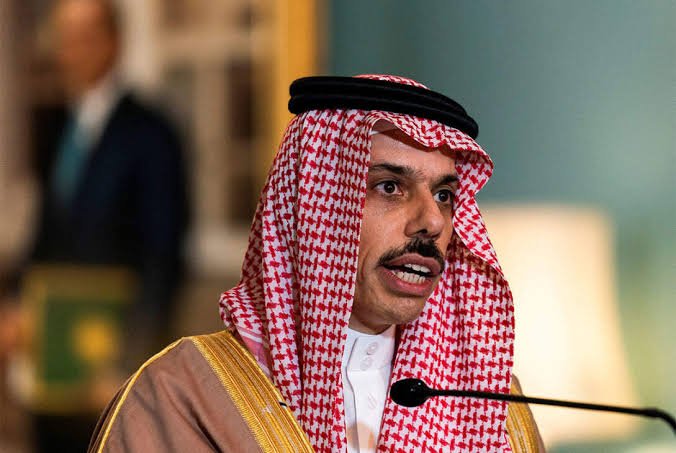
Saudi Arabia has recently engaged in a sweep of diplomatic engagements with several countries—Bosnia and Herzegovina, Cyprus, Mongolia, and Armenia—during the United Nations General Assembly in New York. These conversations, led by Foreign Minister Prince Faisal bin Farhan, culminated in multiple agreements, each tailored to strengthen relations, smooth diplomatic protocols, and expand avenues for political and institutional cooperation.
In discussions with Bosnia and Herzegovina, Saudi Arabia agreed to a reciprocal exemption from short-stay visas for holders of diplomatic, special, and service passports. This move aims to facilitate faster travel and improved exchanges among diplomats and civil servants of both countries. It reflects a broader trend in Saudi foreign policy: streamlining cross-border movements for officials as a way to accelerate cooperation. In parallel, a similar visa waiver accord was reached with Mongolia, matching the same categories of passport holders.
The meetings also yielded a general cooperation agreement with Cyprus. Though specifics remain under negotiation, in broad terms this agreement is expected to cover a range of collaborative areas including trade, investment, cultural exchange, and policy alignment on international challenges. With Cyprus, Saudi Arabia also signed a memorandum of understanding (MoU) designed for regular political consultations—structured dialogues and consultations at ministerial level to discuss regional security, multilateral affairs, and shared interests on the global stage.
In talks with Armenia, Prince Faisal oversaw the signing of another political consultations MoU. Armenia had recently established diplomatic relations with Saudi Arabia, and both sides expressed eagerness to build a comprehensive bilateral agenda. Areas highlighted included trade in goods and services, tourism, infrastructure, education, as well as strengthening legal frameworks that facilitate investments and people-to-people exchanges. The Armenian side also emphasized its “Crossroads of Peace” initiative—a vision meant to deepen regional stability in the South Caucasus—and hinted at a roadmap to further structure diplomatic ties with Riyadh.
Across all these bilateral engagements, regional and international developments were recurring themes. Saudi Arabia and its counterparts discussed global security concerns, regional tensions, multilateral diplomacy, and the changing international environment. Cooperation in political consultations, legal instruments, visa facilitation, and general agreements are clearly part of Saudi Arabia’s diplomatic strategy to expand influence, reduce friction in bilateral dealings, and enable quicker coordination in international fora.
These new arrangements carry significance beyond just symbolic diplomacy. For diplomatic passport holders, visa waivers reduce bureaucratic delays, support faster engagement in multilateral meetings, and enable smoother coordination between ministries. MoUs for political consultations institutionalize communication channels, ensuring that countries do not merely issue statements but regularly confer, share intelligence, and coordinate positions—on regional security, humanitarian crises, or global governance challenges.
For Saudi Arabia, these developments form part of a broader diplomacy puzzle. In recent years, Riyadh has emphasized diversification of its international partnerships, expanding beyond traditional alliances, and leveraging diplomacy to support its economic, cultural, and geopolitical ambitions. Such agreements also support Saudi Arabia’s Vision 2030 objectives, which call for enhanced foreign investment, cultural diplomacy, and international presence.
Some analysts believe that the visa waivers with Mongolia and Bosnia mark a practical step toward smoother diplomatic engagement, especially for nations that may have had less diplomatic traffic previously. With Cyprus, cooperation could draw upon Cyprus’s strategic location as an EU member and gateway to European institutions. Armenia, by contrast, offers Saudi Arabia a partner in the Caucasus region, increasingly seen as a critical cross-road of trade routes, energy corridors, and regional alliances.
Possible challenges ahead include following through on agreements: establishing administrative mechanisms, ensuring security and protocols for visa exemptions, setting up sustained schedules of political consultations, and managing expectations on both sides. But the momentum is clear: Saudi Arabia is signaling it wants robust diplomatic architecture across different continents, deeper legal and institutional ties, and more hands-on partnership, not just occasional summitry.
Saudi Arabia’s engagement with Bosnia and Herzegovina, Cyprus, Mongolia, and Armenia at the UN General Assembly sideline meetings shows a pattern: visa facilitation, political consultation, general cooperation, and roadmap-style initiatives. Each agreement enhances connectivity—both in terms of people and policy. As these pacts move from signature to implementation, they will likely reshape Saudi Arabia’s diplomatic reach, deepen mutual understanding with partner nations, and contribute to smoother and more responsive bilateral and multilateral relations in the years ahead.