

RAWALPINDI: After outsourcing thousands of public schools across the province, the Punjab government has now initiated the process to privatize public colleges, sparking strong protests from professors and lecturers associations who have termed the decision anti-education and anti-labour.
According to official sources, 12,500 public schools have already been handed over to private operators under the provincial government’s education outsourcing programme. The latest move extends the policy to higher education institutions, with an initial plan to outsource 100 government colleges in the first phase including both commerce colleges in Rawalpindi.
Punjab currently has around 750 government colleges. The new plan aims to gradually shift their administrative control to private partners, who will be responsible for management, maintenance, and performance standards.
From November 1, the government will also include an additional 7,000 primary, middle, high, and higher secondary schools in the next phase of outsourcing. Schools with fewer than 100 students will be prioritized for privatization, while staffing levels will be determined according to student enrolment.
The initiative, officials say, is designed to improve performance and efficiency in institutions that are currently under-enrolled or struggling with poor results.
However, teachers’ unions and education associations have denounced the move, announcing protests, sit-ins, and province-wide strikes against what they call the commercialization of education.
Punjab Education Minister Rana Sikandar defended the privatization drive, arguing that the provincial government could no longer justify the Rs300,000 annual cost per student at public commerce colleges.
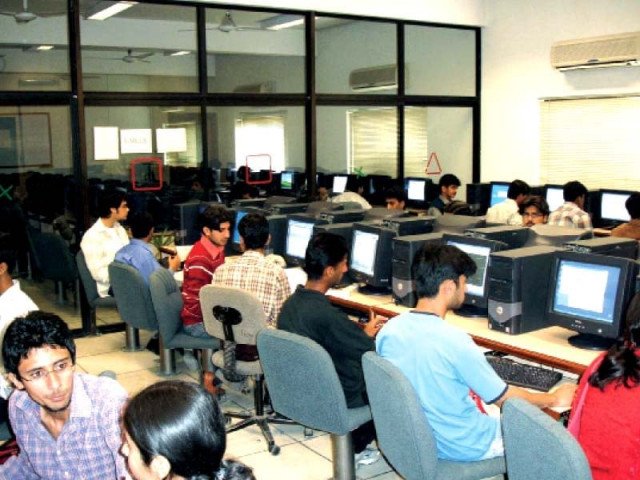
He said the government’s vision was to establish modern, technology-driven commerce colleges equipped with up to 400 computers and advanced laboratories to better align with the market’s digital and technical needs.
This is not about closing institutions; it’s about improving quality and accountability, the minister said.
According to the education department, the entire privatization process covering both public schools and colleges is expected to be completed by March 31, 2026, ahead of the new academic year.
Officials claim the outsourcing model will allow public-private partnerships to bring in improved infrastructure, monitoring, and performance evaluation, while easing the government’s financial burden.
Teachers’ unions, however, have vowed to resist the plan, accusing the government of abandoning its constitutional responsibility to provide free education.
They warned that protests would continue until the decision was withdrawn, urging the government to focus instead on filling vacancies and improving facilities at existing institutions.