

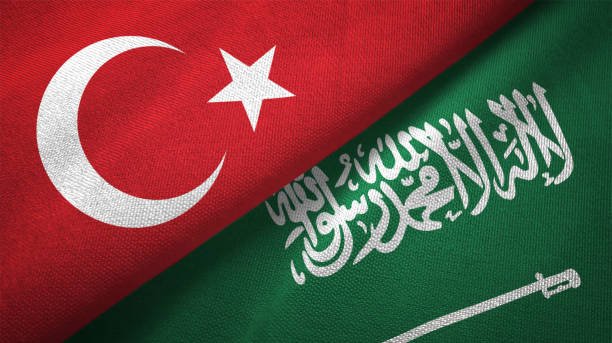
In Doha, a new chapter of cooperation unfolded between Saudi Arabia and Turkey as the two nations formalized a Memorandum of Understanding (MoU) focusing on social development and welfare services. The agreement was signed by Saudi Minister of Human Resources and Social Development Ahmed Al-Rajhi and Turkish Minister of Family and Social Services *Mahinur Özdemir Göktaş, on the sidelines of the *Second World Summit for Social Development.
This initiative symbolizes the shared commitment of both governments to promote social progress, enhance the quality of life for citizens, and expand cooperation in areas that directly impact families and communities.
During their meeting, the ministers held in-depth discussions about the future scope of collaboration between the two countries. They explored ways to exchange expertise, share experiences, and coordinate policies related to social welfare systems. Their dialogue focused on strengthening institutions that serve families, women, children, the elderly, and individuals with disabilities — all of which are vital components of a strong and inclusive society. The ministers also expressed their determination to align national programs with international standards to ensure sustainability and effectiveness in the social sector.
The agreement lays out a strategic framework for Saudi Arabia and Turkey to work jointly on advancing social services and development projects. Under this framework, both sides will collaborate in fields such as policy design, training programs for social workers, capacity-building initiatives, and research on welfare systems. The MoU also envisions the exchange of experts and the introduction of innovative methods to address the evolving social challenges of the modern era, such as an ageing population, the growing need for mental health services, and the integration of technology in social care management.
This partnership reflects a growing realization that social welfare is a key pillar of national development — equally important as economic growth or technological advancement. Saudi Arabia, under *Vision 2030, has already prioritized improving the standard of living and expanding social protection for all citizens. Turkey, on the other hand, has a strong legacy of implementing community-based social programs that empower families and support vulnerable groups. The combination of these experiences offers a promising opportunity for both nations to *build comprehensive, innovative, and human-centered welfare systems.
The signing of the MoU also carries symbolic significance, as it reaffirms the deepening bilateral relationship between Riyadh and Ankara beyond traditional diplomatic and economic ties. Over recent years, both countries have expanded cooperation in trade, tourism, and investment — and now they are venturing into the domain of social development, an area that directly affects the well-being of people in both nations. This collaboration could pave the way for the creation of joint training academies, digital platforms for social assistance, and new community outreach programs benefiting families and individuals alike.
Moreover, the initiative aligns perfectly with the themes of the Second World Summit for Social Development, which advocates global solidarity, inclusiveness, and shared responsibility among nations. The summit underscored that sustainable social progress depends not only on economic policies but also on caring for vulnerable populations and ensuring that no segment of society is left behind. Through this MoU, Saudi Arabia and Turkey have shown their readiness to play an active role in shaping a more compassionate, equitable, and human-focused model of development.
The collaboration also includes potential research partnerships and knowledge exchange mechanisms that will help both countries analyze social trends and create targeted solutions. These might include studies on family structures, youth development, gender equality, and social integration of persons with disabilities. The expected outcome is to enhance public policy design and strengthen the infrastructure that supports social services in both nations.
In essence, the signing of this MoU is more than a formal diplomatic act — it is a visionary commitment to mutual learning, sustainable development, and people-centered cooperation. As both governments prepare to implement the agreement, the emphasis will likely be on measurable results, capacity building, and innovation in the delivery of social services. The partnership is a reflection of a broader regional movement where nations are beginning to prioritize the social dimension of progress alongside economic transformation, ensuring that growth translates into real improvement in people’s everyday lives.