

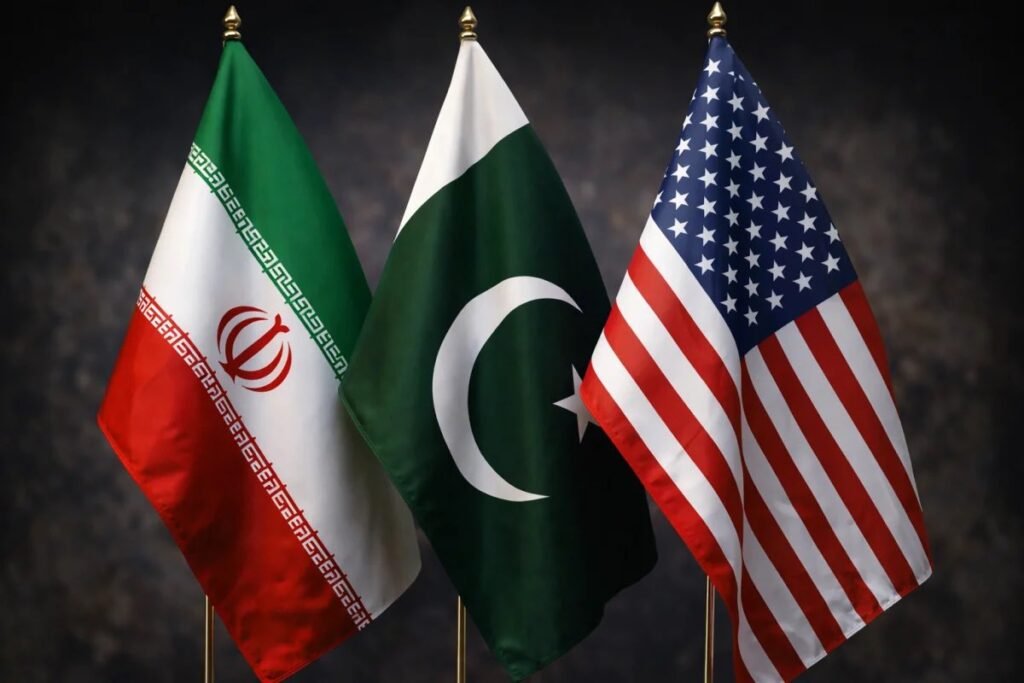
The evolving tensions between Iran and the United States have pushed the region into a highly sensitive and complex phase, where diplomatic engagement and strategic pressure are unfolding simultaneously. Against this backdrop, statements from Iranian leadership, developments on the ground, and international reporting together reflect a situation marked by uncertainty, power dynamics, and shifting alliances.
At the political level, Iran’s leadership has adopted a firm and defiant tone. In a message broadcast through state media, senior figures claimed that the United States had suffered a significant setback in the confrontation. This assertion comes at a time when Iran itself is dealing with internal uncertainties, particularly surrounding leadership transitions and the absence of key figures from public view.
Reports circulating in the media have also raised concerns about the health and condition of certain high-ranking individuals, adding another layer of ambiguity to the domestic landscape.
Meanwhile, Iran’s president has openly criticized American actions, particularly condemning the naval blockade as an extension of military aggression. According to him, such measures violate international norms and undermine efforts aimed at maintaining regional peace. His remarks signal that Iran remains resolute in defending its sovereignty and economic interests despite mounting external pressure.
The broader conflict escalated when U.S. forces initiated limited military operations against Iran. Although a ceasefire agreement was reached within weeks, tensions have persisted, especially in critical maritime zones. The Strait of Hormuz, a vital corridor for global energy supply, has become a focal point of concern.
Any disruption in this strategic waterway has immediate and far-reaching implications for international trade, particularly the flow of oil and liquefied natural gas.
In response to perceived threats, the United States imposed a naval blockade targeting Iranian ports. American officials have justified this move as a countermeasure to Iran’s potential attempts to disrupt shipping through the Strait of Hormuz.
However, the consequences have been significant. Iran’s oil exports have been severely affected, as its tankers have struggled to navigate through the presence of U.S. naval forces spread across key maritime routes. This has forced Tehran to reconsider its export strategies.
According to international reports, Iran has begun shifting part of its oil trade to land-based routes, particularly toward Asian markets. Similarly, for essential imports such as food, the country is exploring alternative pathways through regions like the Caucasus and South Asia. These adjustments highlight both the resilience and the challenges faced by Iran as it attempts to maintain economic continuity under pressure.
Amid these developments, Pakistan has emerged as a potentially crucial diplomatic intermediary. A spokesperson for Iran’s foreign ministry confirmed that Pakistan is expected to play a formal mediating role in facilitating dialogue between Tehran and Washington.
This development is particularly noteworthy given the limited direct communication between the two countries. The involvement of a third party may provide a channel through which negotiations can move forward.
However, Iranian officials have cautioned against expecting immediate breakthroughs. They have emphasized that the situation is highly complex and requires time, patience, and careful negotiation. Iran’s stated objective is to find a reliable pathway that ensures the complete elimination of the risk of war and establishes a more stable regional environment.
Within the United States, the conflict has also sparked legal and political debate. Under the U.S. Constitution, only Congress has the authority to declare war. Nevertheless, a law passed in 1973 allows the president to initiate limited military action in emergency situations.
This authority is time-bound, requiring congressional approval if operations extend beyond 60 days. In the current scenario, that time frame has been reached, but officials argue that the ceasefire has effectively paused the timeline.
The ongoing tensions have had a pronounced impact on global energy markets. Oil and gas prices have surged to levels not seen since the early stages of the Russia-Ukraine conflict in 2022. Analysts warn that if instability continues or escalates—particularly in the Strait of Hormuz—prices could rise even further, placing additional strain on the global economy.
There are also indications from U.S. officials that the naval blockade could remain in place for several more months. This possibility presents a serious challenge for Iran, whose economy relies heavily on oil exports. Sustaining economic stability under such conditions will require not only alternative trade mechanisms but also internal adjustments to cope with reduced revenues.
Taken together, these developments illustrate a multifaceted crisis in which diplomacy, military strategy, and economic interests are deeply intertwined. Countries like Pakistan find themselves in a delicate but potentially influential position, where their role in mediation could contribute to easing tensions and fostering a more stable regional order.