

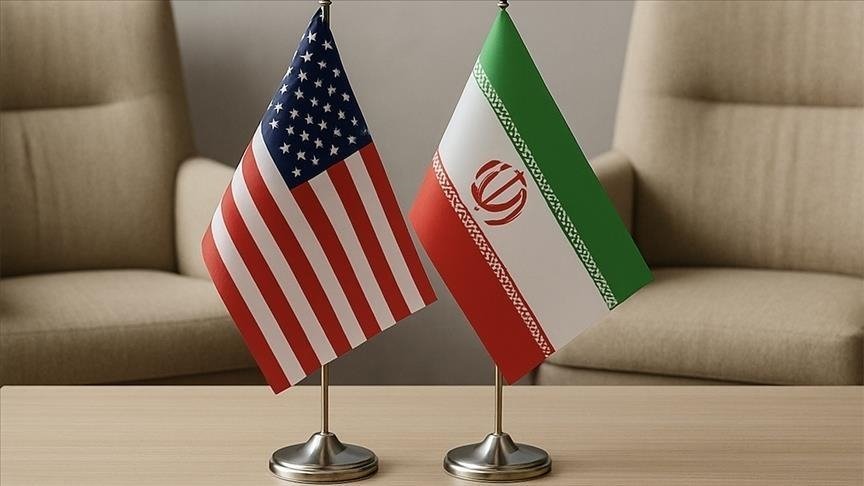
Recent developments point to growing uncertainty surrounding the anticipated second round of talks between the United States and Iran, as diplomatic efforts continue amid questions over the timing and framework of further engagement. While diplomatic engagement remains a stated objective, recent statements and reported incidents suggest that multiple issues continue to complicate the process.
According to available information, a US delegation led by Vice President J.D. Vance has been associated with the next phase of discussions in Pakistan, although the timing of any such visit has remained subject to change. It remains unclear whether an Iranian delegation will participate. Iranian officials have not provided a definitive confirmation, with statements indicating that participation in further talks is still under consideration.
Public remarks from both sides highlight a continued divergence in positions. The United States has maintained that negotiations are necessary, with President Donald Trump indicating that engagement remains essential. At the same time, Iranian officials have emphasized that negotiations cannot take place under pressure or perceived threats. Statements from Iranian representatives, including diplomatic and parliamentary figures, suggest that the current environment is not conducive to constructive dialogue.
The nuclear issue remains a central point of difference. As previously indicated, the United States continues to seek assurances regarding Iran’s nuclear capabilities, while Iran maintains its position on the right to pursue nuclear activities for civilian purposes within international frameworks. The absence of agreement on this issue continues to limit progress.
In addition to the nuclear file, recent developments in the maritime domain have added further complexity. Reports of incidents involving vessels in the Gulf of Oman, as well as differing positions regarding access and control in the Strait of Hormuz, have contributed to increased concern. Iranian officials have described certain actions as violations of existing arrangements, while US statements have indicated a linkage between maritime conditions and broader negotiation outcomes. These developments have added to the challenges facing the diplomatic process.
Economic considerations also remain relevant. Iranian officials have reiterated calls for the removal of longstanding sanctions and the restoration of frozen assets as part of any future understanding. However, there has been no indication of agreement on these matters, and they remain part of the broader negotiation framework.
Recent statements also suggest that ceasefire-related developments continue to influence the diplomatic environment. While progress was reported in relation to Lebanon, other aspects of the ceasefire have been subject to differing interpretations. Iranian officials have referred to alleged violations and inconsistent messaging as factors complicating further engagement.
Available commentary suggests that internal political considerations may be influencing the pace and tone of the current process. At the same time, public statements indicate that the language and timing of external messaging continue to shape perceptions surrounding the negotiation environment.
Despite the current uncertainty, there remains an indication that communication channels have not been fully closed. Statements referring to the absence of a plan “at this stage” suggest that decisions regarding participation may still evolve. Last-minute developments, therefore, cannot be ruled out.
Regional stability remains a shared priority across the Gulf. In this context, the available information points to a situation in which dialogue remains possible, but where fundamental differences persist across multiple areas. Nuclear, maritime, regional and economic considerations continue to shape the overall framework.
Going forward, continued engagement, careful management of developments, and a focus on practical frameworks may be necessary to reduce tensions. While uncertainty remains regarding the immediate next steps, the outcome will depend on how these core issues are addressed in subsequent exchanges and whether conditions allow for sustained engagement.
About the Author:
Dr. Sameera Aziz is a senior Saudi journalist, businesswoman, author, poet, and cross-cultural commentator based in Jeddah. Holding a PhD in Mass Media, she is one of the pioneers of female journalism in Saudi Arabia and a strong advocate for Vision 2030. She can be reached at: Consultant.sameera.aziz@gmail.com