

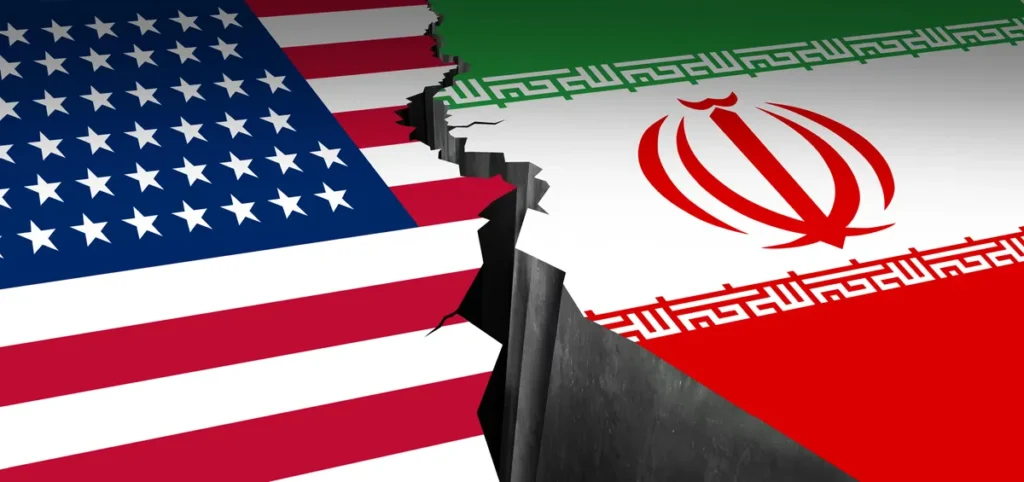
Rising tensions between Iran and the United States have once again drawn global attention, as recent statements from both sides suggest that the situation remains volatile and uncertain. The lack of meaningful progress in diplomatic negotiations has further intensified concerns that the fragile calm could give way to renewed confrontation.
From the Iranian side, senior military officials have issued warnings that signal a growing sense of mistrust and preparedness for potential conflict. One high-ranking figure indicated that the possibility of renewed hostilities with the United States cannot be ruled out. He emphasized that past experiences have demonstrated a pattern in which the United States has failed to honor its commitments and agreements, making it difficult for Iran to place confidence in ongoing or future negotiations. According to his remarks, if the current diplomatic deadlock continues, the risk of escalation may increase significantly.
These statements were reportedly made during an inspection at a major military headquarters, where defense readiness and strategic capabilities were being reviewed. The official highlighted that Iran remains vigilant and fully prepared to respond to any threats, stressing that national defense remains a top priority. He also pointed out that stability in the region depends on responsible behavior from global powers, though current developments suggest otherwise.
On the other side, the United States has also maintained a firm and uncompromising stance. The American president expressed dissatisfaction with the response received from Iran regarding recent proposals. He noted that one of the key challenges in advancing negotiations lies in the ambiguity surrounding decision-making authority within Iran, making it unclear who holds the final say in discussions. This uncertainty, he argued, complicates efforts to predict outcomes or reach a meaningful agreement.
The president further asserted that the United States currently holds a position of strength and would not accept any deal that fails to meet its defined conditions. He reiterated that protecting national interests and ensuring the security of allies remain central priorities, and that all necessary measures would be taken to uphold these objectives.
An interesting contradiction has emerged in official narratives from Washington. While some communications have suggested that military operations concluded earlier in April, other statements continue to emphasize that the threat from Iran persists. In a formal letter sent to Congress, the White House indicated that the conflict had effectively ended at the beginning of the month. However, subsequent remarks from the president have underscored ongoing concerns, portraying Iran as a continuing risk that requires sustained vigilance.
This discrepancy has sparked debate not only in political circles but also among legal experts, particularly regarding the limits of executive authority in military matters. The president has made it clear that, as commander-in-chief, he intends to continue leading the armed forces and retains the right to act even without prior congressional authorization if deemed necessary. This position became especially significant as a 60-day period, set under legislation restricting unauthorized use of military force, recently expired.
Meanwhile, diplomatic efforts appear to be stalled, with no significant breakthroughs reported. Sources suggest that both sides remain firmly entrenched in their positions, showing little willingness to compromise. Iran continues to emphasize its sovereignty and national dignity, while the United States insists that any agreement must align with its strategic interests and conditions.
The broader regional context adds another layer of complexity. The Middle East is already grappling with multiple conflicts and political tensions, and any escalation between Iran and the United States could have far-reaching consequences. Analysts warn that a renewed confrontation would not only impact regional stability but could also disrupt global economic systems and security frameworks.
The international community is closely monitoring the situation, with several countries urging restraint and renewed dialogue. However, the tone and content of recent statements from both sides suggest that immediate progress remains unlikely. Confidence-building measures and a genuine commitment to diplomacy would be essential to de-escalate the situation, but current indicators point to a prolonged period of uncertainty.
In such a fragile environment, even minor miscalculations or unexpected incidents could trigger a larger crisis. This is why many experts continue to stress the importance of reducing tensions through practical steps and open communication channels. Without such efforts, the risk of further deterioration remains a serious concern.