

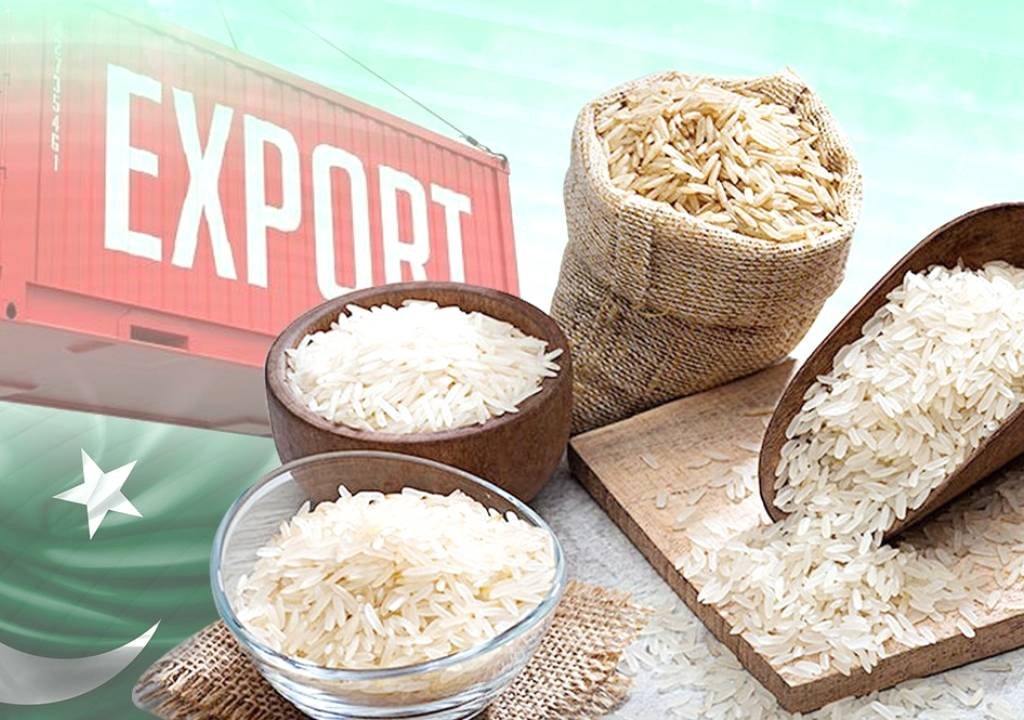
Pakistan’s state-run trading body has moved forward with another significant step in its export operations by issuing a fresh tender aimed at purchasing one hundred thousand tonnes of IRRI-6 long-grain white rice. This rice is not being procured for domestic stockpiles but is specifically intended for shipment to Bangladesh, where demand for affordable long-grain varieties has risen steadily in recent months.
The cargo will be exported as break-bulk through Karachi’s ports, and the tender allows bidders to submit offers starting from twenty-five thousand tonnes, or in larger multiples, all the way up to the full tendered quantity. A small margin of variation has been permitted to ensure flexibility during loading and shipment.
A strict set of quality conditions has been laid out: the rice must come from the most recent Pakistani harvest, must be completely free from any traces of mould or insects, and should pass all standard checks for human consumption. Price bids are required to remain valid for a period of twenty-one working days, and once a bidder wins the contract, the successful party must be ready to ship the cargo within forty-five days. The tender is open to all business categories—companies, registered firms, and sole proprietors—which reflects the government’s focus on increasing participation and encouraging competitive pricing.
This development is emerging at a time when Pakistan and Bangladesh have visibly expanded their economic engagement. Their trade relationship, which remained limited for years due to political sensitivities, has begun shifting toward a more practical, cooperative phase since mid-2024. Earlier in the year, Pakistan had already supplied fifty thousand tonnes of long-grain white rice to Bangladesh under a direct government-to-government arrangement.
That consignment had been divided between two exporters who each delivered twenty-five thousand tonnes at a negotiated price a little under five hundred dollars per tonne. The success of that deal prompted the authorities to explore larger export opportunities, and the new tender is seen as an extension of that momentum.
Before this latest move, the trading agency also floated a separate tender for non-Basmati parboiled rice for shipment to Bangladesh. The initial round saw limited participation and no fully responsive bids, leading the authorities to re-announce the invitation with clearer delivery terms. Under those requirements, most of the cargo was to be directed to Chattogram port, with the remaining portion allocated to Mongla, and all shipments were to be packed in standardized fifty-kilogram polypropylene bags to maintain consistency during handling.
These export arrangements have also played a symbolic role in diplomatic engagement. After years of minimal direct trade, both countries recently agreed to resume structured government-level transactions in food commodities. This has been possible because the relevant trade bodies of both sides have signed cooperation frameworks to streamline procurement, quality checks, and port logistics.
Despite these positive signals, the broader context of Pakistan’s rice sector remains complex. Export volumes have fluctuated, and traders often point to regulatory hurdles, tax complications, and a lack of stable government policies as factors affecting competitiveness in the global market. Even so, large tenders like the current one are viewed as opportunities to support the domestic agricultural value chain, provide farmers with stronger market incentives, and strengthen Pakistan’s position as a major rice exporter.
If this one-hundred-thousand-tonne tender is successfully executed, it will serve both economic and diplomatic purposes. Economically, it will bring in valuable foreign exchange and help stabilize the export pipeline. Diplomatically, it will reinforce the newly-revived trade relationship with Bangladesh and could set the stage for more frequent government-to-government transactions in essential food commodities. The combination of commercial interest and geopolitical cooperation makes this development one of the more significant steps in Pakistan’s recent export activity.