

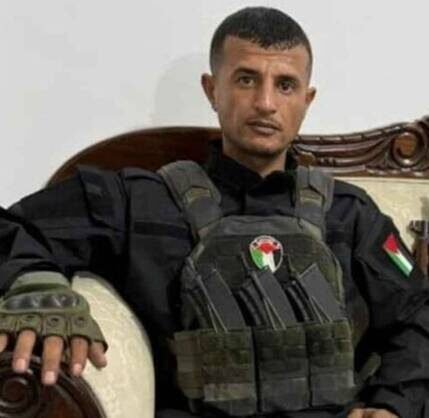
JERUSALEM/CAIRO: Yasser Abu Shabab, a prominent Bedouin tribal leader and head of an armed Palestinian faction opposing Hamas in Gaza, has died while mediating a family dispute, his group confirmed on Friday. The death is widely seen as a blow to Israeli efforts to support Gazan clans against the Palestinian movement.
Abu Shabab, who operated from Israeli-controlled areas in southern Gaza, led the largest of several small anti-Hamas factions that emerged during the ongoing conflict that began over two years ago. His faction, the Gaza-based Popular Forces, said in a statement that he was shot while intervening in a family quarrel and dismissed reports alleging Hamas involvement as “misleading.”
The death could bolster Hamas, which has previously branded Abu Shabab a collaborator and ordered its fighters to kill or capture him. Israeli media outlets, including Kan and Army Radio, initially reported his death citing security sources. Conflicting reports emerged regarding his location, with some claiming he died in Soroka hospital in southern Israel, a claim the hospital denied.
Rafah, where Abu Shabab’s faction was most active, has witnessed intense violence despite a US-brokered ceasefire last October. On Wednesday, residents reported gunbattles in the city, leaving four Israeli soldiers wounded. Israel’s military stated that its forces killed approximately 40 Hamas militants trapped in tunnels beneath Rafah. In a video released on November 18, Abu Shabab’s deputy directed fighters to conduct a “security sweep” to “clear Rafah of terror,” referring to Hamas fighters reportedly holed up in the area.
Abu Shabab’s faction has claimed to operate independently and has denied direct backing by Israel, though Prime Minister Benjamin Netanyahu acknowledged in June that Israel had armed anti-Hamas clans, stating the policy had helped save Israeli soldiers’ lives. Critics in Israel, however, argue that these groups cannot serve as a viable alternative to Hamas, which has ruled Gaza since 2007.
Political analysts warn that Abu Shabab’s death could undermine confidence among anti-Hamas factions in Gaza. Reham Owda, a Palestinian political analyst, said it would fuel doubts about their capacity to challenge Hamas’ dominance. Meanwhile, Hamas has accused Abu Shabab of looting UN aid trucks during the war, charges his group denied, asserting that they had protected and escorted humanitarian assistance.
The incident underscores the fragility of Israel-backed anti-Hamas initiatives in Gaza and highlights the broader challenges facing efforts to establish an alternative governance structure in the enclave, a key component of US-led plans to disarm Hamas and implement a transitional authority supported by an international stabilization force.