

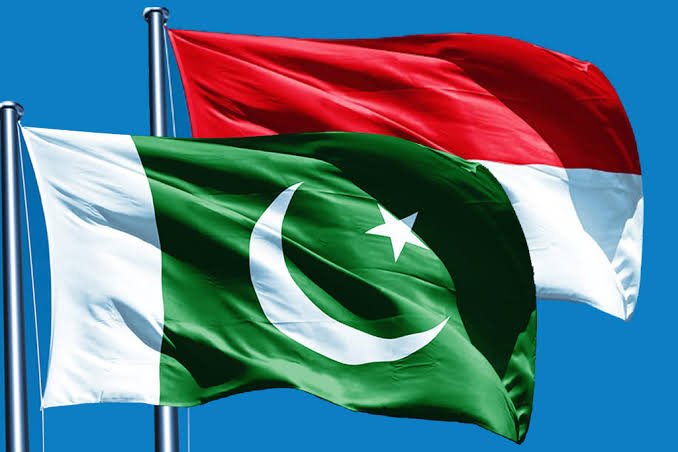
Pakistan and Indonesia entered a new phase of diplomatic warmth as both sides finalized seven important understandings aimed at strengthening cooperation across a broad spectrum of areas. The agreements, which were concluded during the Indonesian president’s visit to Islamabad, reflect a shared intent to deepen institutional, cultural, and economic linkages. Although the cooperation covers diverse fields, the driving idea behind each commitment is to open more doors for collaboration and create long-term frameworks that benefit both nations.
A major portion of the discussions revolved around expanding opportunities for students, researchers, and professionals. Both countries agreed to introduce new academic partnerships in higher education and scholarship programs that would allow Pakistani students to study in Indonesian institutions through state-funded grants. Emphasis was placed on building systems enabling universities, archives, and cultural institutions to exchange expertise and preserve historical material. Officials on both sides showed confidence that such collaboration will help younger generations gain exposure to different cultures while strengthening research capabilities.
Economic matters also featured prominently in the talks, particularly the existing bilateral trade, which currently stands at around 4.5 billion dollars but heavily favors Indonesia. To address this imbalance, the two sides explored a plan to increase Pakistan’s exports in agriculture, information technology, and services. The leadership agreed that the trade equation must be corrected through joint work rather than competition. Discussions also touched on avenues for small and medium enterprises, giving businesses from both countries improved access to investment and partnership opportunities. These steps are expected to encourage more stable trade flows and help both sides diversify their markets.
The pharmaceutical and medical fields emerged as another promising area of cooperation. Pakistan expressed readiness to send qualified Pakistani doctors, dentists, and other technical health personnel to Indonesia to support its requirements in the healthcare sector. Indonesian officials welcomed this offer, acknowledging Pakistan’s talent pool in medical education and professional training. This understanding is expected to pave the way for future exchanges of medical expertise, training programs, and hospital collaborations.
Over the years, Pakistan and Indonesia have built a friendship rooted in mutual respect, and both leaders highlighted this connection by recalling historical moments of solidarity. Pakistani officials expressed gratitude for how Indonesia supported Pakistan during past conflicts and stressed that such gestures hold a permanent place in their national memory. The visit was also emotionally significant because it coincided with the 75-year anniversary of the establishment of diplomatic relations, giving both sides a reason to celebrate the endurance of their partnership.
During their interactions, the two leaders voiced strong commitment to working collectively for regional stability and economic progress. They emphasized that cooperation should not be limited to bilateral matters but should also contribute to peace and development across Asian regions. The Indonesian president, while speaking about broader foreign policy issues, reaffirmed that both countries hold similar views on many international matters. He particularly highlighted the shared stance on the question of Palestine, stating that both nations firmly support the two-state solution and will continue to uphold this principle globally.
The visit began with a ceremonial welcome at the prime minister’s residence in Islamabad, where national anthems were played, and the guest was presented with a formal guard of honour. The Indonesian president also planted a commemorative tree to symbolize the friendship between the two nations. Throughout the visit, senior leaders, including cabinet ministers and top defence officials, held discussions with him. These interactions demonstrated that cooperation in defence, security, and strategic planning remains an important pillar of the relationship.
Earlier, upon his arrival at Nur Khan Airbase, the Indonesian president was received warmly by Pakistan’s leadership. A specially arranged welcome included a static salute by the Presidential Bodyguard contingent. His aircraft was escorted by fighter jets, including Pakistani-built aircraft, in a gesture that symbolized the respect and importance Pakistan attaches to its guests. He arrived with a high-level delegation comprising ministers and senior officials, reflecting the serious intention to finalize new areas of cooperation.
Defence-related engagement was also a significant element of the visit. Senior Pakistani military leaders held meetings with the Indonesian president to discuss ways to expand security-related collaboration. Though the details remain confidential, these interactions indicate that both sides are interested in strengthening military exchanges, defence production opportunities, and coordination in strategic affairs. This reflects the long-standing defence partnership both countries have maintained over the years.
Cultural and vocational cooperation was yet another area where both nations agreed to work closely. Pakistan expressed particular interest in expanding opportunities for its youth in technical and vocational training programs conducted in Indonesia. Likewise, the two countries discussed improving connectivity through cultural exhibitions, archival exchanges, and joint heritage preservation projects. These initiatives are expected to strengthen relationships between both societies beyond political and economic levels.
Climate, health, tourism, information technology, and investment also appeared as emerging domains of potential collaboration. Both sides believe these sectors hold the key to long-term development and can help stabilize the region. The leadership expressed optimism that sustained cooperation in these areas will eventually translate into broader regional partnerships.
The Indonesian president, expressing gratitude for the hospitality extended during his visit, remarked that Pakistan’s reception reflected the deep-rooted goodwill between the two nations. He invited Pakistan’s leadership to visit Indonesia at mutually convenient dates to continue the momentum of the discussions and ensure that the agreements concluded are implemented effectively.
As the visit concluded, both nations appeared optimistic about the future. The commitments made, coupled with the warm diplomatic environment, opened pathways to a stronger partnership. With efforts now directed toward expanding trade, educational exchanges, medical collaboration, small business development, defence cooperation, and joint cultural initiatives, Pakistan and Indonesia have laid a solid foundation for long-term friendship and strategic alignment.