

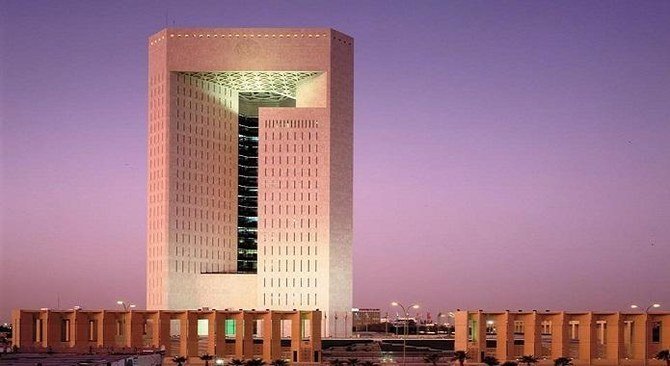
Saudi Arabia’s Islamic Development Bank (IsDB) has once again demonstrated its pivotal role in fostering economic growth, sustainable development, and social infrastructure across its member countries, approving a substantial financing package totaling approximately $1.37 billion. This latest tranche of support, ratified during the bank’s 363rd meeting of the board of executive directors chaired by President Muhammad Al-Jasser, aims to advance development projects in 12 member countries, spanning a diverse range of sectors including transport, energy, water and food security, education, and health services.
The board’s decision to approve 14 distinct financing operations underscores the IsDB’s strategic vision of promoting comprehensive socio-economic development and resilience in both emerging and low-income member states. By targeting projects that enhance renewable energy capacity, improve cross-border infrastructure, facilitate urban and regional mobility, and strengthen basic social services, the bank is aligning its funding priorities with global sustainable development objectives, particularly the United Nations’ Sustainable Development Goals (SDGs).
In the transport sector, the bank has committed €306.89 million (approximately $360 million) to the expansion and development of the Godomey–Ouedo–Hillacondji road in Benin. This project forms a critical segment of the larger Abidjan–Lagos Corridor, a major economic artery connecting West African countries, and is expected to enhance trade flows, regional integration, and the mobility of people and goods.
Similarly, Cote d’Ivoire has been allocated €200 million to develop the Taferi–Ferkessedougou stretch of the A3 highway. This section is vital for improving connectivity between the country’s central and northern regions and providing better access for neighboring landlocked countries, thereby facilitating regional commerce and economic activity.
Urban transport and traffic management are also a focus of IsDB financing. In Bahrain, $180.72 million has been earmarked for the King Faisal Road development project in Manama. The initiative is designed to alleviate chronic traffic congestion and enhance urban mobility, reflecting the bank’s commitment to improving the quality of life in rapidly growing cities. Lebanon will benefit from $13.50 million allocated to establish the Bqarqacha bypass and upgrade the Bqarqacha–Bcharre road. The project aims to improve safety for motorists and accessibility for local communities, highlighting the bank’s integrated approach to infrastructure and social development.
The energy sector forms another critical pillar of this financing package. Uzbekistan is set to receive $110 million for utility-scale photovoltaic solar projects and integrated battery storage in Samarkand-1 and Samarkand-2. These investments will enhance national grid capacities, promote renewable energy adoption, and contribute to energy security.
Mauritania has been allocated €55.19 million to connect its electricity grids with Mali and to support associated solar power stations. The project’s goal is to provide cleaner, more reliable electricity to local communities, demonstrating the IsDB’s emphasis on facilitating energy transition and promoting sustainable energy solutions in member states.
Water and food security are also central to the bank’s development agenda. Morocco will receive €188.82 million for its Water Stress Mitigation project, which involves constructing dams and related infrastructure to secure water supplies and transfer surplus from northern basins to drought-prone southern regions. This initiative addresses regional water scarcity, supports agricultural productivity, and strengthens climate resilience. Additionally, €18.23 million has been allocated to develop an inland aquaculture value chain, enhancing food security and sustainable aquaculture practices. Sierra Leone will receive €25.93 million to revamp its Freetown Water Supply, Sanitation, and Aquatic Environment systems, improving water and sanitation services and restoring key watersheds critical for public health and community resilience.
Agricultural and rural development initiatives have also been prioritized. Cameroon has been allocated €36.66 million for a Sustainable Irrigation and Agricultural Value Chain Development project, which seeks to promote climate-resilient irrigation systems and enhance rural infrastructure, thereby supporting smallholder farmers and improving productivity.
In Jordan, the Hima Oasis for Prosperity and Employment program will receive $11.25 million to foster rural employment and agricultural growth. The project emphasizes opportunities for women and youth, aiming to expand access to finance, enhance skills, and create market linkages that can generate sustainable livelihoods in rural communities.
Education and health sectors form an equally significant part of this financing package. Mauritania will benefit from €61.41 million to establish a 440-bed Maternal, Neonatal, and Child Health Referral Hospital in Nouakchott. This investment will enhance access to specialized healthcare services, improve maternal and child health outcomes, and strengthen human capital development.
In Tajikistan, $13.95 million has been allocated for the Tourism Business Education Development project. This initiative aims to elevate standards in tourism and hospitality education and establish a national training center with a focus on Halal tourism, equipping youth with the skills required to drive the growth of a key economic sector.
Supporting inclusive education initiatives, Pakistan has received $10 million from the Islamic Solidarity Fund for Development to implement the Out-of-School Children project in Azad Jammu and Kashmir. This funding is designed to increase educational access for children who have been marginalized or excluded from formal schooling systems, reflecting the bank’s commitment to social inclusion and human capital development.
The totality of these approvals reflects the IsDB’s strategic and multi-dimensional approach to development. By bridging infrastructure gaps, expanding essential social services, promoting renewable energy adoption, and supporting inclusive education and health initiatives, the bank is not only fostering immediate socio-economic benefits but also laying the groundwork for sustainable, long-term development. The projects span a wide range of sectors, each designed to enhance resilience, improve access to basic services, and catalyze broader economic growth across member countries.
From regional transport corridors in West Africa to energy modernization in Central Asia, water security projects in North Africa, and human capital investments in the Middle East and South Asia, the IsDB’s $1.37 billion financing package demonstrates the bank’s role as a central actor in enabling sustainable development across diverse geographies. By targeting both infrastructure and social sector projects, the bank ensures that development outcomes are balanced, inclusive, and capable of addressing the multi-faceted challenges faced by its member countries.
Overall, the approval of these projects illustrates the IsDB’s ongoing commitment to supporting its member countries in achieving economic resilience, social inclusion, and environmental sustainability. The bank continues to focus on initiatives that accelerate the energy transition, enhance connectivity, strengthen human capital, and promote sustainable agriculture and water management. Through this comprehensive financing approach, the IsDB is reinforcing its mission to facilitate equitable development and contribute to the achievement of the Sustainable Development Goals in its member states.
The $1.37 billion package serves as a testament to the bank’s ability to mobilize resources effectively, coordinate multi-sectoral interventions, and foster collaboration across countries and regions. As implementation progresses, the diverse projects are expected to generate tangible improvements in infrastructure, service delivery, and economic opportunities, thereby enhancing the overall quality of life for millions of people across the 12 beneficiary nations.