

Washington, D.C: The Trump administration has signaled a significant intensification of its efforts to strip certain naturalised Americans of their U.S. citizenship, according to internal guidance obtained by The New York Times. The directives instruct U.S. Citizenship and Immigration Services (USCIS) field offices to submit 100–200 denaturalisation cases per month to the Office of Immigration Litigation in the 2026 fiscal year a stark increase from historical levels, which averaged roughly 11 cases per year between 1990 and 2017, according to the Immigrant Legal Resource Center.
A USCIS spokesperson stated that the focus would remain on individuals who unlawfully obtained U.S. citizenship, framing the denaturalisation push as part of broader efforts to combat immigration fraud. Under U.S. law, denaturalisation is a civil action that can occur when citizenship is illegally procured or gained through fraud, misrepresentation, or criminal activity during the naturalisation process. Historically, these cases have been pursued sparingly due to the legal complexity and long timelines involved, often taking years to resolve in federal courts.
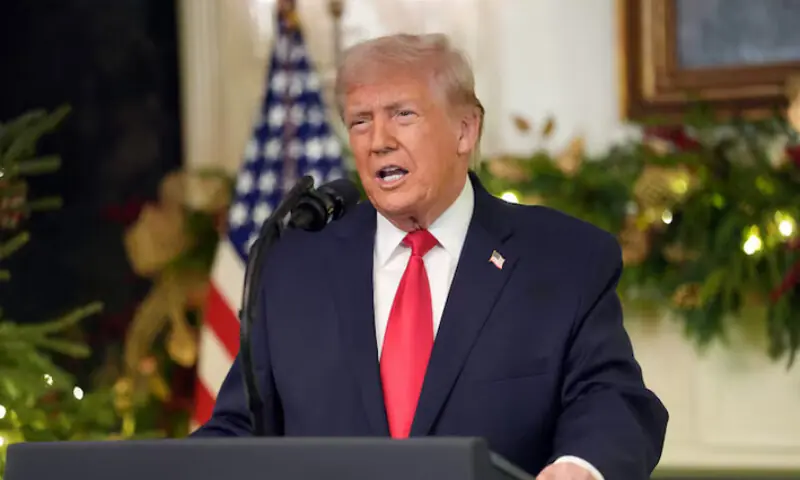
The move comes in the wake of President Donald Trump’s prime-time address, in which he reiterated his administration’s hard-line stance on immigration. While not announcing new measures during the speech, Trump blamed previous administrations for border and national security challenges and signaled that immigration enforcement would continue to tighten across the country.
Earlier in December, Trump stated to reporters that he would “absolutely” denaturalise some U.S. citizens if he had the authority, specifically citing what he described as “criminals that came into our country and were naturalised maybe through [Joe] Biden or somebody that didn’t know what they were doing. He has also suggested long pauses in asylum approvals, particularly for certain groups, and added seven countries to a full travel ban list while imposing partial restrictions on several others.
The intensified denaturalisation guidance arrives alongside a broader suite of immigration measures, including expanded travel bans, severe curtailments on asylum processing, and reviews of green card and immigration status for nationals from countries deemed “of concern.
Critics warn that imposing numerical targets on citizenship revocation could politicise a process that has traditionally been reserved for cases of clear fraud in naturalisation. There are concerns this could instill fear in immigrant communities and strain trust in federal enforcement agencies. Legal experts emphasize that, while the administration can pursue denaturalisation in cases of proven fraud or misrepresentation, efforts to set quotas for revocations may undermine the intended legal safeguards.
Supporters, however, argue that safeguarding the integrity of the naturalisation system is crucial and that fraud should be pursued rigorously within the bounds of the law. Federal courts will ultimately serve as arbiters in individual denaturalisation actions, and the implications—legal, social, and political—are likely to prompt intense debate across immigrant advocacy groups, policy circles, and legal institutions.
The denaturalisation initiative follows heightened public concern over immigration and national security. A deadly shooting in Washington involving an Afghan national who had been granted asylum earlier this year was cited by the administration as justification for stricter immigration controls. Trump has also announced social media measures to permanently pause migration from all Third World countries and pledged to remove immigrants identified as security risks or excessive burdens on federal benefit programs.
Analysts say the move reflects an escalation in the administration’s broader strategy to restrict migration, enforce stricter vetting, and maintain tighter control over naturalisation procedures.