

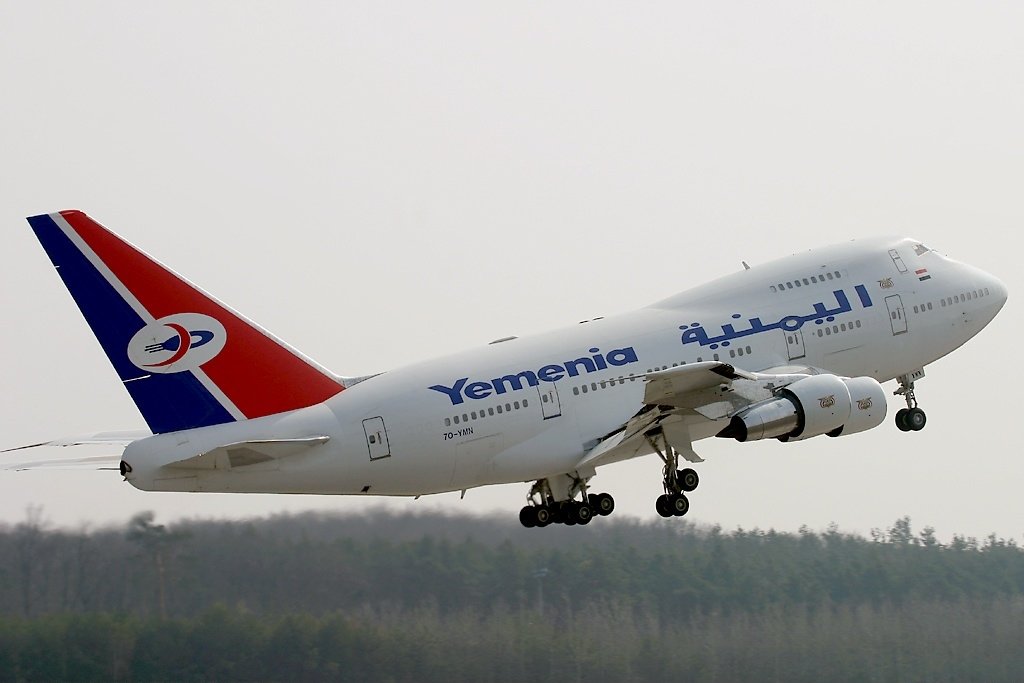
Yemenia Airways has officially announced the resumption of direct flights linking Socotra Island to Jeddah, ending a long hiatus in services between these two destinations. This marks the first direct connection of its kind in several years, a development that comes at a critical time for both tourism and logistical movement in the region.
The airline confirmed through an official press statement that the inaugural flight is scheduled for January 7, with a primary objective of evacuating foreign tourists who had been stranded on the island due to the political and security developments in Yemen. The announcement has been widely reported by Al-Arabiya and other regional news outlets, highlighting the significance of this operational restart in restoring connectivity to the island.
The situation on Socotra had deteriorated following the declaration of a 90-day state of emergency by Rashad Al-Alimi, president of Yemen’s Presidential Leadership Council, on December 30. This emergency order was accompanied by a temporary three-day closure of all ports and border crossings, effectively isolating the island from the mainland and leaving numerous foreign tourists without means to leave or travel further.
The combination of security concerns and logistical challenges created an urgent need for direct air transport solutions to ensure the safe evacuation and movement of travelers. Yemenia Airways’ initiative therefore represents not only a strategic operational decision but also a humanitarian response to the unfolding crisis.
Prior to this resumption, flights to and from Socotra had been suspended due to intensified military activities in Yemen’s eastern governorates, particularly Hadramout and Al-Mahra. The escalation involved clashes between government forces and units aligned with the Southern Transitional Council, causing widespread disruptions in civil and commercial travel. The Saudi-led coalition, operating in support of the Yemeni government, deployed aircraft to assist in stabilizing the affected regions.
Following limited but strategic clashes, government forces regained control over the majority of key areas in Hadramout and Al-Mahra, enabling a more secure environment for air travel operations. This stabilization was a prerequisite for the resumption of Yemenia Airways’ services, ensuring that flights could operate safely and efficiently while minimizing risk to passengers and crew.
Mohsen Haida, deputy director for commercial affairs at Yemenia Airways, emphasized that the airline intends to move beyond a one-time evacuation effort. The company plans to establish a regular weekly flight schedule between Jeddah and Socotra, providing reliable and consistent connectivity for both residents and tourists.
According to statements reported by the German news agency dpa, this initiative is part of a broader strategy by Yemenia Airways to strengthen its route network, enhance passenger mobility, and reinforce Socotra’s accessibility for international travelers. By reintroducing these flights, the airline aims to reconnect the island with major hubs in the region, thereby supporting commerce, tourism, and broader economic activity.
The resumption of direct flights carries significant implications for the local economy of Socotra. Tourism, a vital sector for the island, had been severely affected by the suspension of air services and the heightened security concerns. Visitors who had planned leisure trips, research missions, or eco-tourism excursions found themselves stranded, resulting in both economic loss and reputational challenges for the island’s emerging tourism sector.
With the reopening of the Jeddah-Socotra air link, foreign tourists can return, local businesses can recover lost revenue, and the island can reaffirm its status as an international tourism destination. Haida highlighted that this connectivity would not only facilitate evacuation and travel but also encourage investment and development in hospitality, transportation, and allied services on Socotra.
From an operational standpoint, Yemenia Airways’ decision to reinstate direct flights is aligned with global aviation practices of restoring routes to strategically important or previously underserved destinations once security and logistical concerns are addressed.
Socotra’s unique geography, ecological significance, and growing tourism potential make it a priority for route planning, and the airline’s initiative ensures that both private and commercial interests benefit from renewed access. Regular flights provide predictable schedules for tourists, businesses, and governmental agencies, establishing Socotra as a dependable destination within regional travel networks.
The broader political context in Yemen underscores the criticality of this resumption. The Southern Transitional Council’s engagement in Hadramout and Al-Mahra had posed risks to air and ground transportation for several months. Control of key regions by government forces, facilitated by coalition support, created conditions where civilian travel could resume without fear of major disruptions.
This security stabilization not only benefits Yemenia Airways operationally but also sends a signal to international travelers and investors that Socotra is accessible and safe for both tourism and economic activity. The coordination between military operations and civil aviation planning highlights the interplay between governance, security, and infrastructure development in enabling connectivity for remote areas.
Yemenia Airways’ initiative also aligns with strategic regional objectives of increasing air connectivity and facilitating trade, investment, and mobility. By linking Socotra directly with Jeddah, the airline integrates the island into broader air traffic networks across the Middle East and beyond. The flights allow for efficient movement of people, essential goods, and services, which is particularly important in post-conflict and recovery scenarios where transport networks have been disrupted. The operational restart represents a holistic approach to ensuring that air connectivity supports both emergency responses and long-term economic development objectives.
Moreover, the resumption of flights has symbolic significance for Socotra. The island, known for its unique biodiversity and natural landscapes, has struggled with isolation due to political instability and logistical challenges. Direct flights to a major regional hub like Jeddah provide Socotra with a renewed platform to participate in international tourism and commerce.
By facilitating consistent access for foreign travelers, Yemenia Airways helps elevate the island’s profile on the global map, potentially attracting ecotourism, research initiatives, and cultural exchanges. Haida noted that enhancing Socotra’s connectivity would strengthen the island’s economic resilience while promoting sustainable tourism development.
The introduction of weekly flights also supports governmental and administrative objectives. Efficient movement between Socotra and the Saudi mainland allows government agencies to coordinate better, ensure essential services, and manage logistical challenges more effectively. Emergency evacuation, supply chain management, and civil operations all benefit from the establishment of reliable, recurring air routes. The airline’s commitment to regular flights reflects an understanding of these broader operational imperatives beyond simple commercial considerations.
In addition, the airline’s strategy to enhance air connectivity reflects a long-term vision of integrating Socotra more fully into regional and international networks. Regular services encourage private sector investment in hotels, transport services, and local businesses, fostering a more sustainable economic model.
The restoration of flights also has ripple effects across tourism-dependent communities, supporting employment, skill development, and capacity building in hospitality and related sectors. By prioritizing Socotra, Yemenia Airways demonstrates a model for balancing commercial viability with social and economic development objectives.
The operational and strategic benefits of this initiative are further enhanced by Yemenia Airways’ existing infrastructure and experience in regional aviation. The airline’s expertise in handling complex logistics, international standards of safety, and regulatory compliance ensures that flights operate smoothly while meeting the expectations of foreign tourists and stakeholders.
By re-establishing the Jeddah-Socotra connection, Yemenia not only restores a vital route but also reinforces its reputation as a key player in regional air transport, capable of delivering services that respond to both market and humanitarian needs.
Finally, the resumption of direct flights represents a broader narrative of resilience and recovery. Socotra’s isolation due to military escalation, port closures, and emergency declarations had placed significant pressure on tourists and local economies. The re-establishment of air services is both a practical solution to stranded travelers and a symbolic gesture of reopening, stability, and normalcy. As Yemenia Airways continues its weekly operations, the island can gradually recover economically, socially, and culturally, while building a sustainable framework for future tourism and trade activities.
The reinstatement of Yemenia Airways’ direct flights between Socotra and Jeddah is a milestone for regional aviation, economic recovery, and international connectivity. It ensures the safe evacuation of stranded tourists, promotes local economic revival, strengthens Socotra’s position as a global tourism destination, and enhances strategic air links across the Middle East.
By integrating operational efficiency, humanitarian response, and long-term economic planning, Yemenia Airways positions itself as a central facilitator in connecting Socotra to the wider world while fostering sustainable growth for the island.