

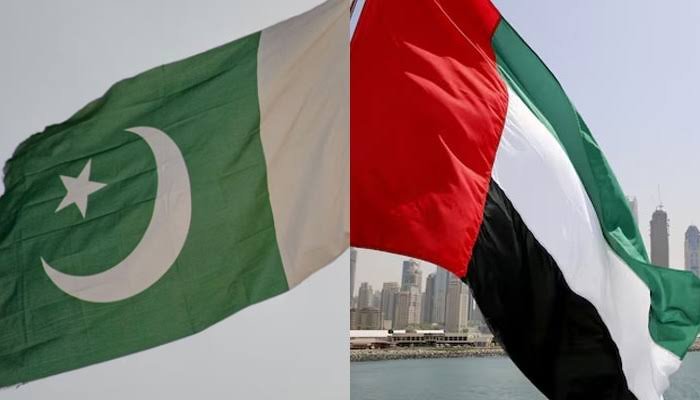
In a significant development aimed at improving travel convenience and strengthening bilateral cooperation, Pakistan and the United Arab Emirates have reached an understanding to introduce a pre-immigration clearance system for Pakistani citizens traveling to the UAE. This initiative is being viewed as a major step toward easing long-standing travel difficulties faced by Pakistani passengers, particularly at UAE airports where immigration procedures often involve lengthy queues and extensive waiting times.
According to officials from Pakistan’s Ministry of Interior, the two countries have agreed in principle to formalize this arrangement through an official agreement. Once implemented, Pakistani travelers will no longer need to go through the traditional immigration process after landing in the UAE. Instead, all necessary immigration checks and clearances will be completed before departure, within Pakistan itself. This shift is expected to dramatically reduce congestion at arrival terminals and significantly shorten the time passengers spend at airports.
The decision emerged from a high-level meeting held between Pakistan’s Interior Minister, Mohsin Naqvi, and a senior delegation from the United Arab Emirates. The UAE delegation was led by Ahmed bin Lahej Al Falasi, Director General of Customs and Port Security. During the meeting, both sides discussed ways to modernize travel procedures and enhance people-to-people connectivity, agreeing that streamlined immigration processes are essential in an era of increasing international travel.
Interior Minister Mohsin Naqvi explained that under the proposed system, immigration verification for UAE-bound passengers would be carried out prior to travel at designated Pakistani airports. He emphasized that this approach would allow Pakistani citizens to exit UAE airports in a manner similar to domestic travelers, without having to stand in long immigration lines or undergo repetitive document checks upon arrival. According to him, this change would bring both convenience and dignity to travelers.
The minister further stated that the initiative would not be introduced nationwide all at once. Instead, it will begin as a pilot project to assess operational feasibility and address any technical or administrative challenges. Karachi has been selected as the starting point for the pilot phase, given its status as Pakistan’s largest city and a major hub for international travel. While the government has not yet announced a specific launch date, officials have indicated that implementation will begin once all logistical preparations are finalized.
Expressing optimism about the initiative, Mohsin Naqvi said the new system is expected to significantly improve the overall travel experience for Pakistani citizens. He pointed out that millions of Pakistanis live and work in the UAE, while many others travel there each year for employment, business, education, and tourism. Simplifying the immigration process, he noted, is a long-standing demand that will now finally be addressed.
Members of the UAE delegation welcomed the proposal and described it as mutually beneficial. They assured Pakistani authorities of full cooperation in implementing the pre-immigration clearance mechanism. According to UAE officials, such systems not only improve passenger convenience but also enhance border security by allowing authorities to conduct thorough checks in advance, reducing risks and improving efficiency at ports of entry.
A joint statement issued after the meeting revealed that relevant departments from both countries will remain in close coordination to finalize the administrative framework and technical infrastructure required for the pilot project. This includes secure data sharing mechanisms, verification protocols, and alignment of immigration standards to ensure the system operates smoothly and safely.
The statement also clarified that once the Karachi pilot phase is completed successfully, the pre-immigration clearance facility will be gradually expanded to other major cities across Pakistan. In the future, travelers departing from cities such as Lahore, Islamabad, and others may also benefit from the same streamlined process, further broadening the initiative’s impact.
Several senior Pakistani officials were present during the meeting, including Minister of State for Interior Talal Chaudhry and Federal Interior Secretary Khurram Agha. Both officials highlighted the importance of such initiatives in improving public service delivery and enhancing Pakistan’s international image. They stressed that modern travel facilitation measures play a crucial role in strengthening diplomatic and economic ties between countries.
This development comes against the backdrop of significant challenges faced by Pakistani travelers over the past year, particularly in relation to obtaining UAE visas. Numerous applicants have reported prolonged delays, repeated rejections, and a lack of clear communication regarding visa approvals. These difficulties have caused frustration among individuals seeking employment and business opportunities in the Gulf region.
Concerns intensified in November 2025 when Additional Interior Secretary Salman Chaudhry disclosed that the UAE had effectively stopped issuing visas to Pakistani nationals at that time. Speaking during a meeting of the Senate Standing Committee on Human Rights, he revealed that the situation had become so strained that both Saudi Arabia and the UAE were reportedly close to imposing formal restrictions on Pakistani passport holders. Although such measures were not ultimately enforced, the statement underscored the seriousness of the issue.
In this context, the agreement on pre-immigration clearance is being seen as a confidence-building measure and a sign of renewed engagement between Pakistan and the UAE. Analysts believe the initiative could pave the way for broader improvements in visa policies and travel cooperation in the future, helping to rebuild trust and facilitate smoother movement of people between the two nations.
Overall, the proposed system represents a meaningful shift toward passenger-friendly travel arrangements. If the pilot project proves successful and is expanded nationwide, it could mark the beginning of a new era in Pakistan-UAE travel relations—one characterized by efficiency, mutual trust, and improved experiences for millions of travelers each year