

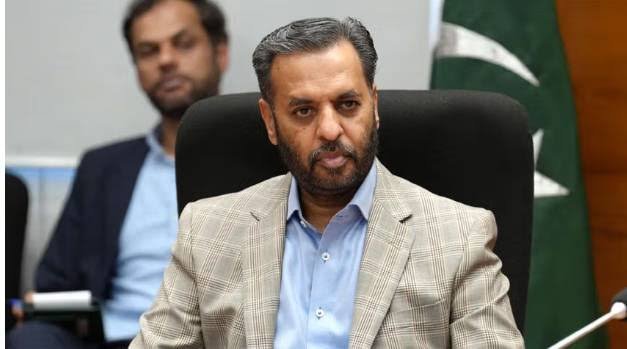
A high-level delegation from Saudi Arabia arrived in Pakistan on Monday, signaling a major step toward establishing local vaccine production facilities in the country. The visit, confirmed by Pakistan’s Ministry of Health, is expected to serve as a landmark moment in advancing bilateral cooperation between the two nations in the areas of health, pharmaceutical manufacturing, and industrial collaboration. According to officials, the Saudi delegation comprises eleven members, including senior policymakers and industry experts, all tasked with evaluating practical measures to facilitate vaccine production within Pakistan.
This historic engagement comes after months of sustained diplomatic and technical dialogue between the two countries. Over the past seven months, Pakistan’s Health Minister, Syed Mustafa Kamal, held three detailed meetings with his Saudi counterpart, where discussions centered on investment opportunities, technical assistance, and strategies to enable domestic vaccine manufacturing. These discussions also involved the Saudi Minister of Industry, further emphasizing the industrial dimension of the collaboration. Both sides appointed dedicated focal persons to ensure that coordination remained consistent and that outcomes from previous meetings were implemented efficiently.
Minister Kamal underscored the significance of the Saudi delegation’s visit, calling it a “decisive step” toward translating policy discussions into actionable plans for local vaccine production. He emphasized that establishing domestic manufacturing facilities will not only meet Pakistan’s internal immunization demands but also generate surplus vaccines for export, enhancing the country’s position in the global pharmaceutical landscape. Such an initiative is expected to strengthen Pakistan’s economic framework while promoting national stability.
Currently, Pakistan relies heavily on imported vaccines to meet its public health requirements. The country, home to over 240 million people, runs extensive national immunization campaigns against diseases including polio, measles, rubella, and hepatitis. Procuring vaccines from abroad has historically posed challenges, including lengthy delivery times, currency expenditures, and supply chain vulnerabilities. By producing vaccines locally, Pakistan would not only conserve critical foreign exchange but also ensure a timely and reliable supply for its population, reducing dependency on international markets.
The Ministry of Health emphasized that ensuring access to safe and high-quality vaccines remains a top priority for the government. The planned collaboration with Saudi Arabia is seen as an essential step in this direction. Through technical support, investment, and industrial cooperation, Pakistan aims to establish state-of-the-art manufacturing facilities capable of producing vaccines that meet international quality standards. This would not only safeguard public health domestically but also create opportunities for regional exports, particularly to neighboring countries with similar immunization needs.
The Saudi delegation’s visit also highlights a broader trend of strengthening Pakistan-Saudi relations in strategic sectors beyond energy and trade. By focusing on health and pharmaceutical manufacturing, both nations are exploring avenues to institutionalize technical and industrial cooperation. According to officials, discussions included evaluating the infrastructure requirements for production plants, training of personnel, adherence to international regulatory standards, and the incorporation of advanced technologies to enhance efficiency and output.
Health Minister Kamal pointed out that local vaccine production is crucial for long-term sustainability of Pakistan’s national immunization programs. Regular campaigns across the country require large volumes of vaccines, particularly for preventable diseases like polio and measles. By establishing domestic production, Pakistan can reduce delays caused by international procurement and ensure consistent availability of essential vaccines. This approach is expected to improve public confidence in immunization campaigns while supporting the government’s broader health objectives.
In addition to the immediate benefits of securing the national vaccine supply, the collaboration with Saudi Arabia is projected to have significant economic implications. Local manufacturing of vaccines is likely to generate jobs, develop specialized technical expertise, and enhance industrial capabilities in Pakistan. It will also create opportunities for public-private partnerships, fostering innovation in the pharmaceutical sector. Minister Kamal highlighted that surplus production could be exported, thereby contributing to foreign exchange inflows and positioning Pakistan as a regional hub for vaccine production.
The Saudi delegation’s visit is part of a structured roadmap to convert months of technical discussions into tangible results. The delegation is expected to conduct site visits, meet with Pakistani policymakers and industry stakeholders, and assess potential locations for production facilities. Discussions are also likely to cover investment structures, regulatory approvals, quality assurance mechanisms, and long-term collaboration models to ensure sustainability and scalability of vaccine manufacturing.
Officials noted that both Pakistan and Saudi Arabia recognize the importance of timely and effective vaccination, especially in light of global public health challenges. Recent experiences with disease outbreaks have underscored the critical need for local capacity in vaccine production, allowing countries to respond swiftly to emergencies and minimize the impact on public health. By developing in-country manufacturing, Pakistan can reduce reliance on international suppliers, which often face logistical challenges and delays.
Minister Kamal stressed that Pakistan’s commitment to this initiative reflects its broader goal of strengthening health security. He highlighted that domestic production will enable the country to plan its immunization campaigns more effectively, respond to outbreaks promptly, and ensure equitable distribution of vaccines across urban and rural areas. With a population exceeding 240 million, these measures are essential to achieving national health targets and safeguarding vulnerable populations.
The Ministry of Health noted that the Saudi delegation’s expertise in industrial-scale pharmaceutical manufacturing is critical to the project’s success. Saudi Arabia has a well-established pharmaceutical sector with experience in vaccine production, and its collaboration is expected to bring technical know-how, best practices, and advanced manufacturing techniques to Pakistan. Both sides have expressed optimism that the initiative will set a precedent for future collaborations in health and industrial development.
Furthermore, the establishment of local vaccine production aligns with Pakistan’s broader economic and development strategies. By reducing dependence on imports, the country can conserve foreign reserves, mitigate the risks of supply chain disruptions, and promote domestic industrial growth. The initiative also demonstrates Pakistan’s commitment to self-reliance in critical sectors, a policy increasingly emphasized by the government to enhance national resilience.
The high-level Saudi delegation’s visit, therefore, represents not just a diplomatic engagement but a practical step toward operationalizing local vaccine manufacturing. By combining technical cooperation, industrial expertise, and strategic investment, both countries aim to create a robust framework for sustainable vaccine production in Pakistan. The initiative is expected to improve public health outcomes, support economic development, and strengthen bilateral relations, establishing a model for regional collaboration in healthcare.
The arrival of the Saudi delegation underscores Pakistan’s determination to develop domestic vaccine manufacturing capabilities. Through focused cooperation in technical, industrial, and policy areas, the initiative seeks to ensure timely, safe, and high-quality vaccines for Pakistan’s population, reduce reliance on imports, and generate economic and industrial benefits. Officials from both countries have expressed confidence that the collaboration will achieve tangible results, marking a significant milestone in Pakistan-Saudi relations and demonstrating a shared commitment to public health and economic growth.