

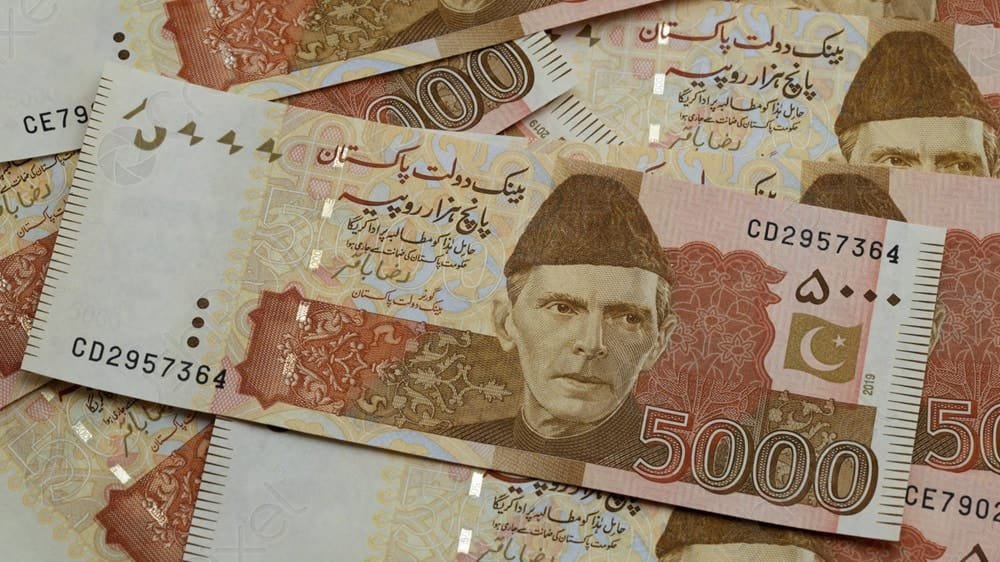
Pakistan’s evolving monetary and taxation policies came under detailed discussion during a meeting of the Senate Standing Committee on Finance, where senior officials from the State Bank of Pakistan (SBP) and the Federal Board of Revenue (FBR) briefed lawmakers on key developments. The session covered a wide range of issues, including the introduction of newly designed currency notes, the future of high-denomination bills, the implementation of super tax, and concerns over tax collection practices.
Addressing the committee, State Bank Governor Jameel Ahmad provided clarity on the long-discussed plan to introduce redesigned currency notes. He informed lawmakers that the process had reached an important institutional milestone, as the *State Bank’s Board of Directors has formally approved the new designs. Following this approval, the designs have now been forwarded to the *Ministry of Finance for further review and authorization.
The SBP governor emphasized that the issuance of new currency notes will only take place once the federal government grants its final approval. Until that step is completed, no timeline has been finalized for printing or circulation. He explained that the objective behind redesigning the currency is to enhance security features, improve durability, and align Pakistan’s banknotes with modern international standards, rather than to create disruption in the existing monetary system.
Jameel Ahmad also addressed public speculation regarding the potential withdrawal of high-value banknotes. In clear terms, he told the committee that there is currently no proposal under consideration to discontinue the Rs. 5,000 note. He stressed that such claims circulating in public discourse are unfounded and should not be treated as official policy. According to him, any future decision regarding currency denominations would require extensive consultation and formal approval at multiple levels.
Beyond currency matters, the committee meeting witnessed a robust exchange of views on super tax, a policy measure that has sparked debate among lawmakers, business communities, and taxpayers. Senator Abdul Qadir voiced strong concerns over the government’s approach to collecting the tax, arguing that the current system places excessive pressure on citizens and enterprises already struggling with economic uncertainty.
He questioned the practicality of demanding payment of super tax accumulated over three or four years in a short span of time. According to the senator, such a strategy risks pushing businesses and professionals toward financial distress and may even encourage capital flight. He remarked that the manner in which taxes are being enforced creates the impression that people are being driven away rather than encouraged to contribute to the national economy.
Senator Abdul Qadir further criticized the Federal Board of Revenue, alleging that aggressive collection tactics and frequent notices have created an atmosphere of fear among taxpayers. He suggested that instead of insisting on immediate payments, the government should allow taxpayers to clear super tax liabilities over a period of two to three years, thereby reducing financial strain and improving compliance.
Echoing these concerns, Senator Sherry Rehman also shared her reservations regarding the broader tax framework. She acknowledged that the constitutional court has already ruled that imposing super tax falls within the authority of parliament. However, she cautioned that legal authority alone does not negate the real-world impact of such measures on citizens and businesses.
Sherry Rehman argued that repeatedly targeting the same segment of society for additional revenue cannot be considered a sustainable or fair revenue-generation model. In her view, long-term economic stability requires expanding the tax base rather than extracting more from those who are already documented and compliant. She warned that overburdening a single class could weaken investor confidence and slow economic activity.
Responding to these concerns, the Chairman of the Federal Board of Revenue provided the committee with an overview of the government’s revenue expectations. He stated that the total collection target from super tax stands at *Rs. 217 billion, a figure considered critical for meeting fiscal requirements. At the same time, he acknowledged the need for flexibility and assured lawmakers that, if required, *installment-based payments could be considered in certain cases to ease the burden on taxpayers.
The FBR chairman also highlighted efforts to broaden the tax net through digital outreach and communication. He revealed that the number of registered taxpayers has increased by approximately one million following the introduction of awareness campaigns using phone calls and text messages. According to him, these initiatives aim to encourage voluntary compliance by informing citizens of their tax obligations in a more direct manner.
This disclosure prompted a light-hearted remark from the Finance Minister, who told the committee that he himself had received a message from the FBR. While the comment added a brief moment of humor to the proceedings, the minister emphasized that the outreach campaign applies universally and is intended to foster a culture of responsibility rather than intimidation.
Throughout the meeting, lawmakers repeatedly stressed the importance of balancing fiscal discipline with public welfare. Members noted that while the government faces significant pressure to increase revenue and manage deficits, these objectives must be pursued without undermining economic stability or public trust.
The discussion also reflected broader concerns about the state of the economy, where inflation, rising costs of living, and business uncertainty continue to challenge both households and enterprises. Senators urged authorities to adopt a more consultative approach, ensuring that financial policies are transparent, predictable, and aligned with the country’s long-term development goals.
By the conclusion of the session, it was evident that decisions regarding currency reform, taxation, and revenue collection remain central to Pakistan’s economic debate. The introduction of new banknote designs, the handling of super tax, and the conduct of tax authorities will all play a decisive role in shaping public confidence in the financial system.
The Senate Standing Committee’s deliberations underscored a shared understanding that economic recovery requires not only sound policy but also public cooperation. Lawmakers called on the government to ensure that reforms are implemented gradually, fairly, and with sensitivity to prevailing economic conditions—so that fiscal stability can be achieved without placing undue strain on the people the system is meant to serve.