

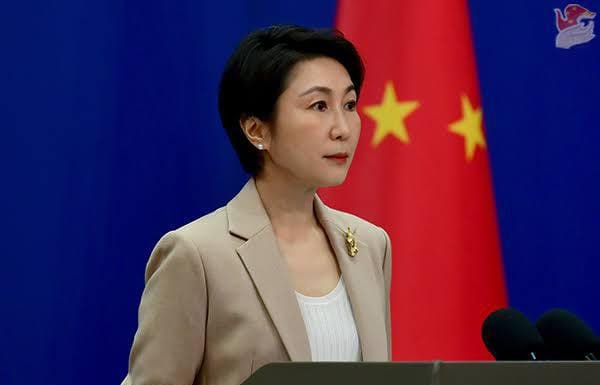
China has called for an immediate halt to the ongoing military operations in Iran, expressing serious concern over the rising tensions and their potential consequences for regional stability. In a detailed statement issued from Beijing, a spokesperson for the Chinese Ministry of Foreign Affairs emphasized that the current situation demands de-escalation rather than further confrontation. According to the spokesperson, continued military action risks deepening the crisis and creating long-term instability not only within Iran but across neighboring countries as well.
The Chinese government underscored that the use of force, particularly when applied indiscriminately, cannot be considered a legitimate or sustainable solution to complex political disputes. Beijing made it clear that military escalation tends to intensify hostilities rather than resolve underlying disagreements. In this context, China urged all parties involved to exercise restraint and to suspend ongoing operations without delay. The statement stressed that halting military activities is a necessary first step toward preventing the conflict from expanding beyond its current scope.
Particular attention was given to the risk of the conflict spreading throughout the broader region. China conveyed deep concern that continued hostilities could destabilize surrounding states, disrupt economic activities, and trigger wider geopolitical repercussions. The spokesperson noted that regional conflicts rarely remain contained and often produce ripple effects that impact international security and global markets. Therefore, preventing further escalation should be treated as an urgent priority by all stakeholders.
In addition to calling for a ceasefire, China reaffirmed its willingness to play a constructive diplomatic role. The spokesperson explained that Beijing intends to remain actively engaged in efforts aimed at promoting peace and stability. This includes participation in multilateral platforms such as the United Nations Security Council, where China supports principles of fairness, justice, and adherence to international law. According to the statement, China will continue advocating for measures that contribute to conflict resolution, peacebuilding, and the prevention of further violence.
The issue of Iran’s nuclear program was also addressed in the remarks. China reiterated its position that Iran possesses the legitimate right to utilize nuclear energy for peaceful purposes, in accordance with international agreements and regulations. The spokesperson emphasized that this right should be recognized and respected. At the same time, China expressed confidence that the broader Iranian nuclear issue can ultimately be resolved through political negotiation and diplomatic engagement rather than through coercion or military pressure.
Beijing maintained that dialogue remains the only viable path toward a lasting settlement. The spokesperson argued that sustainable solutions to sensitive international disputes require patience, mutual respect, and a commitment to negotiation. Resorting to armed force, in contrast, risks hardening positions and reducing opportunities for compromise. China therefore encouraged all relevant actors to return to diplomatic channels and to prioritize political discussions aimed at addressing the root causes of tension.
The statement also highlighted the broader implications of prolonged instability. Beyond the immediate humanitarian concerns, continued conflict could have significant economic consequences, including disruptions to energy supplies and volatility in global markets. As such, China framed the situation not merely as a localized dispute but as a matter with international ramifications. The spokesperson called upon the global community to adopt a responsible and coordinated approach in support of de-escalation efforts.
China further stressed the importance of respecting national sovereignty and territorial integrity, describing these principles as foundational elements of international relations. According to the statement, any actions that undermine these norms risk weakening the international system and increasing global insecurity. By advocating restraint and adherence to established legal frameworks, China positioned itself as supportive of stability and multilateral diplomacy.
In closing, the Chinese Ministry of Foreign Affairs expressed hope that the current tensions would eventually give way to constructive engagement and negotiated compromise. Beijing reaffirmed its commitment to supporting peace initiatives and to working with the international community to prevent further deterioration of the situation. The spokesperson concluded that military confrontation cannot deliver durable solutions and that meaningful progress will depend on sustained diplomatic efforts, respect for lawful rights, and a shared commitment to regional and global stability.