

Despite growing uncertainty across the Middle East and the Gulf region, Pakistan’s supply network continues to operate smoothly, ensuring that the movement of goods and trade activities remain uninterrupted. According to official sources, even in the midst of global tensions and economic uncertainty affecting several regions, Pakistan has managed to maintain an active and functional supply chain through effective planning and strategic coordination.
Sources indicate that the country has adopted proactive measures to keep its trade routes operational despite the volatile international environment. While global conflicts and geopolitical pressures have disrupted supply systems in many parts of the world, Pakistan’s logistical framework has continued functioning, allowing trade operations to proceed without major disruptions.
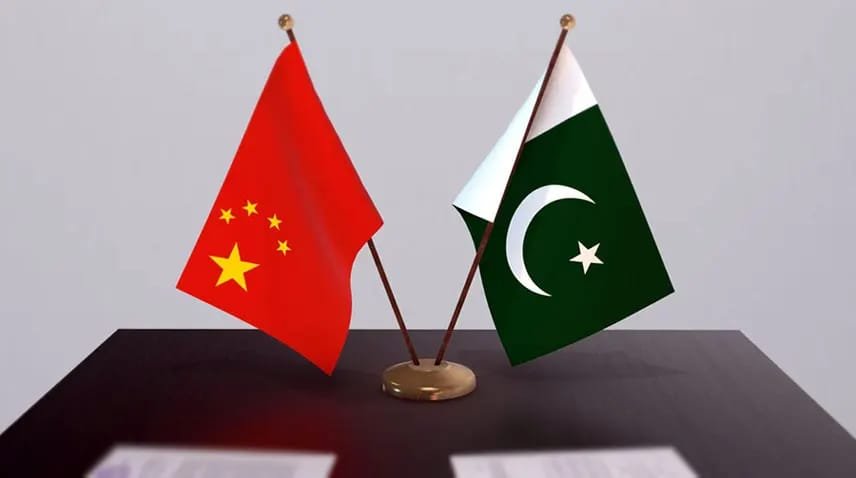
A key factor supporting this stability is the continued operation of the Sost Dry Port, which plays an important role in facilitating trade between Pakistan and China. Located near the Pak-China border, the dry port serves as a critical gateway for the movement of goods between the two neighboring countries. According to sources, activities at this port remain steady and organized, helping ensure the consistent flow of imports and exports.
Officials familiar with the situation say that the Sost Dry Port has proven to be a dependable commercial corridor for Pakistan, particularly at a time when maritime routes and other international trade channels are experiencing pressure due to geopolitical developments. The port allows goods to be transported through land routes, providing Pakistan with an alternative and reliable path for trade operations.
The importance of this border trade facility has grown significantly in the current global environment. As uncertainty in the Middle East and surrounding regions creates concerns about shipping routes, energy transportation, and international trade logistics, Pakistan has been focusing on strengthening its land-based trade infrastructure. By doing so, the country is working to reduce potential risks that may arise from disruptions in global supply routes.
Sources say that Pakistan’s broader strategy involves keeping multiple trade corridors active and efficient. The government and relevant authorities have taken several administrative and logistical steps to ensure that goods continue to move across borders without delays. Improvements in customs procedures, faster clearance systems, and better coordination among border management agencies have contributed to maintaining the stability of trade operations.
Economic observers note that Pakistan’s geographical location provides it with a unique advantage when it comes to regional connectivity. Positioned between South Asia, Central Asia, and East Asia, the country has the potential to serve as an important bridge for international trade. Maintaining operational trade routes during periods of global uncertainty further strengthens Pakistan’s position in this regard.
Sources also highlight that the continued activity at the Sost Dry Port reflects the effectiveness of Pakistan’s planning in maintaining trade continuity. Goods transported through this route include a wide range of commercial products, industrial materials, and consumer goods that are vital for sustaining economic activity in the country. By keeping this corridor active, Pakistan ensures that businesses and markets within the country continue receiving necessary supplies.
Another aspect of the strategy involves enhancing infrastructure along key trade corridors. Authorities have been focusing on improving roads, transportation networks, and logistics facilities connected to border crossings. These efforts are aimed at increasing efficiency, reducing transport time, and ensuring that the supply chain remains resilient even when external conditions become challenging.
According to sources, the government’s approach is not limited to addressing immediate challenges but also focuses on long-term economic goals. By strengthening trade routes and maintaining reliable supply systems, Pakistan is positioning itself as a dependable partner in regional and international commerce. This stability helps build confidence among trading partners and investors who rely on predictable trade conditions.
Analysts believe that the ability to maintain supply chain operations during periods of international tension sends a positive signal about Pakistan’s economic management. Countries facing disruptions often experience shortages, delays, and rising costs in trade activities. However, Pakistan’s continued trade flow suggests that the country has implemented strategies designed to absorb external shocks.
Officials emphasize that ensuring uninterrupted supply chains is essential for economic stability. Industries depend on a steady flow of raw materials and components, while consumers rely on the availability of goods in domestic markets. Any significant interruption in these systems can affect production, employment, and overall economic performance. By keeping trade corridors open and functional, Pakistan is safeguarding these essential economic processes.
Sources further state that Pakistan’s ongoing efforts are gradually strengthening its reputation as a reliable trade hub in the region. With increasing connectivity projects and cross-border trade initiatives, the country aims to expand its role in facilitating commerce between different parts of Asia.
The current operational status of the Sost Dry Port is often cited as an example of how alternative trade routes can support economic stability during uncertain times. Land-based trade corridors provide flexibility in situations where maritime transport becomes vulnerable to geopolitical tensions or logistical disruptions.
In the long term, experts suggest that maintaining such resilient supply networks could help Pakistan attract more regional trade partnerships. Countries looking for stable transit routes may increasingly view Pakistan as a strategic gateway connecting various markets.
Overall, despite rising geopolitical tensions and economic uncertainty in several regions of the world, Pakistan’s supply chain system remains active and organized. Through careful planning, infrastructure development, and the effective use of key trade facilities such as the Sost Dry Port, the country continues to ensure the uninterrupted movement of goods.
According to sources, this approach reflects Pakistan’s broader ambition to establish itself as a strong and dependable global trade center. By maintaining operational trade corridors even during challenging circumstances, Pakistan is gradually reinforcing its image as a resilient participant in international commerce and regional connectivity.