

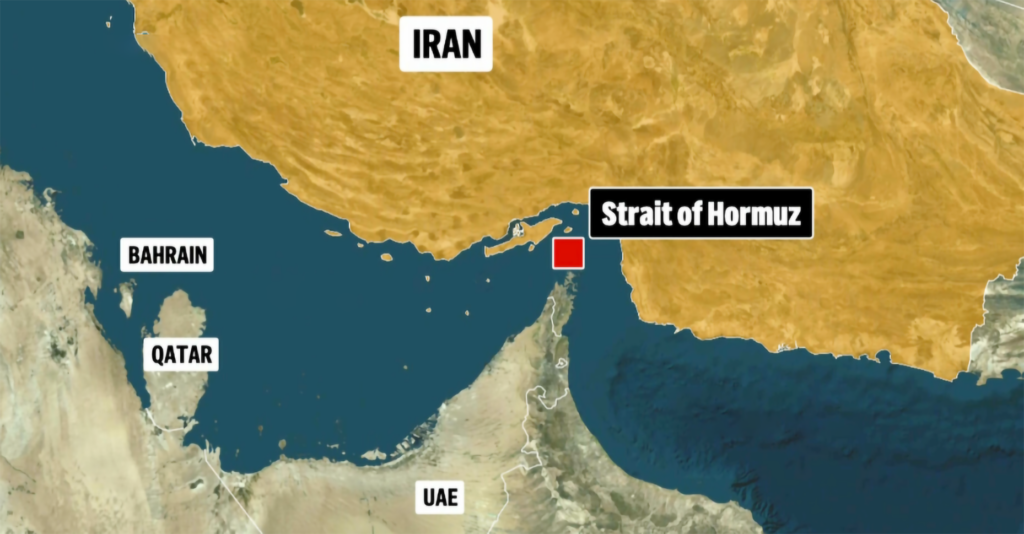
Recent developments around the Strait of Hormuz have once again highlighted how regional instability can quickly translate into broader global economic and food-security concerns. The waterway remains critical not only for oil and gas flows, but also for global fertilizer trade. According to UN Trade and Development, approximately one-third of seaborne fertilizer shipments — estimated at around 16 million tonnes — transit through the Strait, underlining its importance for key importing regions, particularly in Asia.
In this context, Saudi Arabia and the Gulf states have consistently emphasised that stability is not merely a diplomatic objective, but an economic necessity. The Kingdom has maintained its position in support of de-escalation, the protection of maritime routes, and the uninterrupted flow of global trade and energy supplies. During the GCC-EU ministerial meeting on March 5, both sides reaffirmed the importance of safeguarding freedom of navigation and ensuring the security of international shipping lanes. Saudi participation in recent International Maritime Organization discussions in London further reinforced the need to preserve stability across global supply chains.
Market developments in recent weeks reflect the sensitivity of these routes. Disruptions to shipping activity in early March led to delays and congestion around the Strait, affecting the timely movement of commodities. While limited vessel transit has since resumed, contributing to some easing of immediate market concerns, fertilizer logistics continue to face constraints, reflecting the broader impact of regional tensions on trade flows.
The implications are particularly significant for Asian economies, where agricultural systems are closely linked to imported inputs. Several countries rely heavily on fertilizer supplies originating from the Gulf, alongside energy inputs that support production, transportation, and distribution. Reports indicate that some countries have begun drawing on reserves or adjusting procurement strategies, highlighting the interconnected nature of energy, agriculture, and food systems.
At the same time, market responses have followed expected patterns under conditions of uncertainty. Freight costs, insurance premiums, and fuel prices have shown upward pressure, contributing to higher overall input costs. In certain markets, fertilizer prices have increased notably, while importers have sought to secure supplies ahead of key planting periods. These dynamics illustrate how disruptions in one segment of the supply chain can have wider implications across the global food system.
Recent data from the Food and Agriculture Organization (FAO) indicates a modest increase in the global food price index in February 2026, reflecting broader pressures in commodity markets. While not solely attributable to developments in the Strait of Hormuz, this trend underscores the sensitivity of global food prices to supply-chain disruptions and input costs.
However, the overall outlook remains balanced. Some major importing countries have entered this period with relatively stable inventory levels and have taken proactive steps to diversify supply sources. This suggests that, in the near term, the impact is more likely to be reflected in higher costs and logistical adjustments, rather than widespread shortages, provided that trade flows continue to normalise.
Within this broader context, Saudi Arabia’s position remains focused on stability and confidence in global markets. The Kingdom has consistently underscored the importance of safe navigation, continuity of supply chains, and the avoidance of disruptions to international trade. Its logistical capabilities, including alternative export routes via the Red Sea, further reinforce its role as a reliable energy and trade partner even under challenging conditions.
This approach aligns closely with the objectives of Vision 2030, which positions Saudi Arabia as a key global hub connecting Asia, Europe, and Africa through integrated trade, logistics, and energy networks.
Looking ahead, the trajectory of global fertilizer and food markets will depend largely on the continued stability of maritime routes. Sustained improvement in transit conditions would support market confidence, ease cost pressures, and enable farmers in key regions to proceed with seasonal planting without major disruption.
In this regard, Saudi Arabia’s emphasis on de-escalation, freedom of navigation, and uninterrupted trade flows reflects a broader commitment to global economic stability. Ensuring the security of critical waterways such as the Strait of Hormuz remains essential not only for regional prosperity, but also for supporting food security and market balance worldwide.
About the Author:
Dr. Sameera Aziz is a senior Saudi journalist, businesswoman, author, poet, and cross-cultural commentator based in Jeddah. Holding a PhD in Mass Media, she is one of the pioneers of female journalism in Saudi Arabia and a strong advocate for Vision 2030. She can be reached at: Consultant.sameera.aziz@gmail.com