

Amid rapidly evolving geopolitical dynamics in the Middle East, fresh developments surrounding a potential agreement involving Iran, the United States, and Israel have drawn significant global attention. The situation reflects a complex mix of diplomatic engagement and ongoing military pressure, making the regional landscape increasingly sensitive and unpredictable.
In recent statements, former U.S. President Donald Trump suggested that there may be a breakthrough on the horizon regarding negotiations with Tehran. He indicated that Iran appears willing to move toward a settlement, noting that preliminary discussions have already begun. According to Trump, Tehran has shown readiness to commit to not pursuing nuclear weapons—an issue that has long remained at the center of international concern.
He emphasized that this moment presents a critical opportunity for Iran, urging its leadership not to let it slip away. Trump also hinted that the framework of a potential agreement could include Iran relinquishing its stockpile of enriched uranium, a step that would significantly address fears related to nuclear proliferation. He reiterated that his administration’s objective has consistently been to ensure that Iran’s nuclear program remains strictly peaceful in nature.
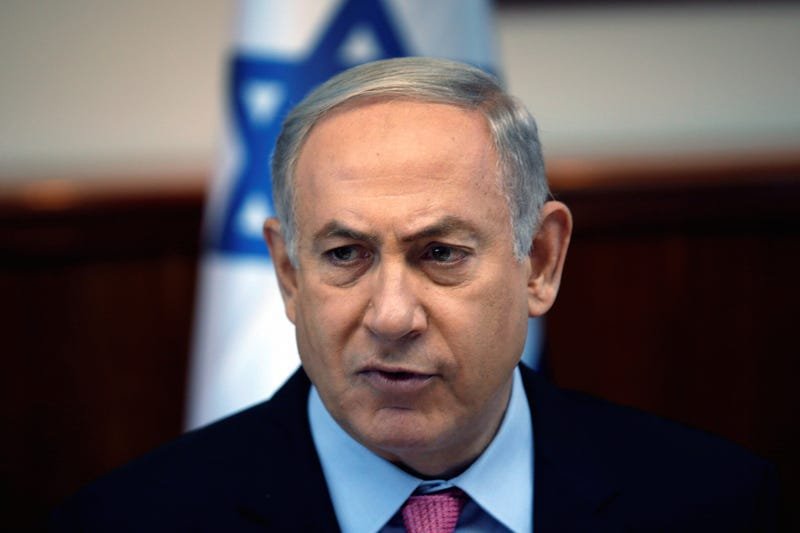
While diplomatic signals suggest progress, Israel has maintained a firm and cautious stance. Israeli Prime Minister Benjamin Netanyahu made it clear that any agreement with Iran would only be acceptable if it fully safeguards Israel’s essential security interests. Speaking to journalists, he stressed that Tel Aviv would not support any deal that could potentially undermine its national safety.
Netanyahu revealed that he had held direct discussions with Donald Trump regarding the situation, during which both leaders reviewed ongoing developments and strategic options. He noted that Trump believes recent military gains could be leveraged as a tool in negotiations with Iran, potentially strengthening the terms of any future deal.
Reinforcing his position, Netanyahu stated that Israel remains committed to continuing its military operations in both Iran and Lebanon until its security objectives are achieved. He reiterated earlier warnings that Israel would actively oppose any “bad deal” between Washington and Tehran, underscoring his government’s determination to block agreements perceived as unfavorable.
At the same time, there have been indications of a temporary diplomatic pause in the escalation. Trump announced a short-term delay—reportedly five days—in any planned military strikes targeting Iranian energy infrastructure. This move was widely interpreted as an effort to create space for diplomatic dialogue and reduce immediate tensions.
The timing of this decision is particularly significant, as it came just hours before a critical deadline, with the conflict entering its fourth consecutive week. Observers had warned that without de-escalation, the situation could spiral further into instability. The temporary halt in military action is therefore being seen as an opportunity for both sides to explore a negotiated solution.
Despite these efforts, the broader picture remains uncertain. On one hand, Iran’s signals of flexibility have raised cautious optimism about the possibility of a diplomatic breakthrough. On the other hand, Israel’s uncompromising position introduces a layer of complexity that could challenge the success of any agreement.
Analysts suggest that if a deal is ultimately reached, it could have far-reaching implications—not only for regional security but also for global political alignments and energy markets. However, achieving such an outcome would require all parties to demonstrate a degree of compromise and strategic restraint.
As the situation continues to unfold, every statement and decision carries considerable weight. The Middle East stands at a critical juncture, where diplomacy and confrontation are unfolding side by side. The coming days will likely determine whether current developments lead to a meaningful resolution or further escalation in an already volatile region.