

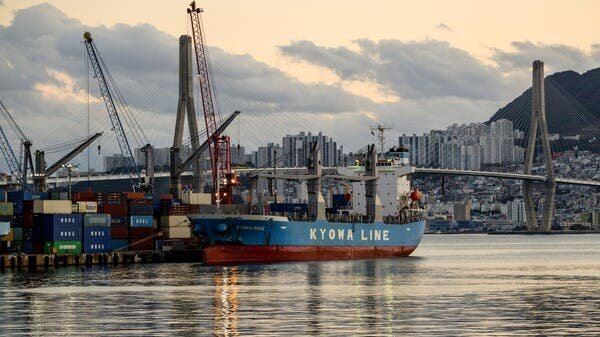
South Korea has announced a significant strategic initiative to ensure the continued flow of crude oil amid escalating tensions in the Middle East, particularly around the Strait of Hormuz. In response to recent disruptions caused by the ongoing US-Israeli military operations against Iran, Seoul has revealed plans to deploy five South Korean-flagged vessels to the Red Sea port of Yanbu in Saudi Arabia, a step aimed at establishing alternative routes for crude oil imports.
This was confirmed by a ruling member of South Korea’s legislature signaling a proactive approach to energy security as the region experiences heightened instability.
The Strait of Hormuz, a narrow maritime corridor that serves as a vital artery for global crude oil and natural gas transport, has effectively been closed by Iranian authorities in retaliation against strikes by the United States and Israel.
This blockade has sent shockwaves across the international energy market, causing a surge in oil prices that threatens both economic growth and price stability worldwide. South Korea, heavily dependent on Middle Eastern oil for roughly seventy percent of its imports, faces a particularly acute vulnerability in this context, necessitating urgent action to prevent a domestic energy crisis.
Lawmakers in Seoul have highlighted the urgency of the situation, noting that alternative logistical measures are essential to prevent shortages and stabilize energy supplies. According to Ahn Do-geol, a legislator involved in energy and trade oversight, the deployment of Korean-flagged vessels to the Yanbu port is part of a broader plan to secure crude through routes that bypass the Strait of Hormuz entirely.
This decision reflects a shift toward greater self-reliance and risk mitigation in South Korea’s energy strategy, acknowledging that traditional maritime routes may be compromised during times of geopolitical conflict.
Beyond the deployment of ships, the South Korean government has indicated that it will dispatch special envoys to several key oil-producing countries, including Saudi Arabia, Oman, and Algeria. These diplomatic missions aim to negotiate additional supplies of crude oil, diversify procurement channels, and maintain the stability of the country’s energy imports.
Analysts suggest that these efforts are intended not only to safeguard immediate supply needs but also to bolster long-term resilience in South Korea’s energy network, particularly in an era where global conflicts can rapidly impact essential commodity flows.
The ripple effects of the Strait of Hormuz closure have been felt across multiple sectors in South Korea. Rising oil prices have placed additional pressure on inflation rates, with potential knock-on effects for consumer goods, manufacturing, and transportation. Recognizing these risks, the government is reportedly preparing a $17.2 billion supplementary budget designed to cushion the economic impact of rising energy costs.
President Lee Jae Myung described the situation as putting the nation on a “wartime footing,” underscoring the gravity of the crisis and the need for swift, coordinated governmental action.
In addition to strategic deployments and fiscal measures, South Korea’s energy ministry has launched a public awareness campaign urging citizens to adopt energy-saving practices.
The guidelines recommend simple behavioral adjustments such as taking shorter showers, limiting nighttime charging of electronic devices, and reducing unnecessary energy consumption. Officials emphasize that public cooperation is a critical component of the national response, highlighting the interconnectedness of domestic consumption patterns and international energy supply vulnerabilities.
Energy security experts note that South Korea’s reliance on the Strait of Hormuz has long been a strategic concern, given that roughly one-fifth of the world’s petroleum passes through this narrow channel. The recent closure by Iran has therefore not only local economic implications but also broader consequences for global energy markets.
By creating alternative supply routes through Yanbu and coordinating with multiple oil-exporting nations, Seoul is attempting to hedge against disruptions, demonstrating both foresight and adaptability in its energy policy.
The situation also underscores the interconnectedness of geopolitics and domestic economic stability. South Korea, like many other industrialized Asian economies, is highly sensitive to fluctuations in crude oil prices, which can cascade into higher manufacturing costs, transportation expenses, and ultimately affect the cost of living for ordinary citizens.
The government’s multi-pronged response—which includes naval deployment, diplomatic engagement, emergency budgeting, and public conservation measures—reflects an understanding that energy crises are not confined to pipelines and ports but permeate every aspect of national life.
Observers point out that the move to deploy five vessels is symbolic as well as practical. While the ships themselves provide a tangible mechanism to transport crude safely, they also signal to global markets and energy suppliers that South Korea is prepared to take assertive steps to secure its energy needs.
Combined with high-level diplomatic outreach to Saudi Arabia, Oman, and Algeria, these measures are designed to reassure both domestic stakeholders and international partners that Seoul can manage supply shocks and mitigate economic disruption.
The deployment of Korean-flagged ships to Yanbu also reflects a broader strategic pivot in South Korea’s maritime policy. Traditionally reliant on established shipping lanes through the Persian Gulf, the country is now exploring alternative maritime corridors, including ports along the Red Sea, to diversify its import routes.
Such diversification is seen as crucial for mitigating the risk posed by sudden geopolitical conflicts, blockades, or sanctions that could otherwise halt energy flows and destabilize the economy.
As oil prices continue to fluctuate amid the US-Israeli-Iran conflict, the government’s supplementary budget and energy conservation measures are intended to complement one another, ensuring that both supply and demand sides are addressed. The combination of fiscal support, logistical flexibility, and public participation represents a holistic approach to crisis management, reflecting lessons learned from past energy disruptions.