

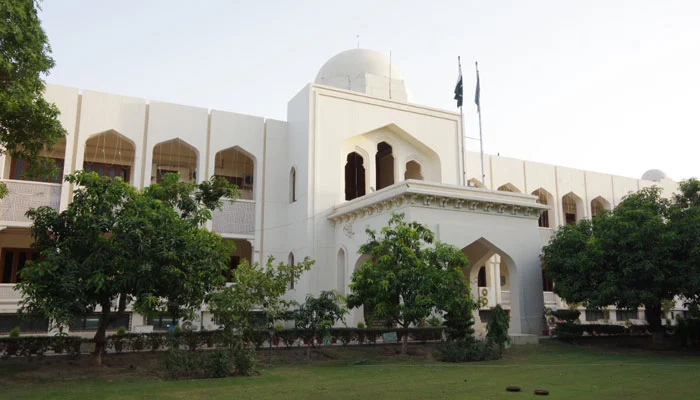
MULTAN: In a striking verdict underscoring the right to fair process, the Lahore High Court has come to the aid of a Layyah resident caught in a bureaucratic blind spot, halting the Federal Board of Revenue (FBR) from enforcing a disputed tax bill.
Ghulam Mohy Ud Din had sought to challenge a hefty demand notice but discovered that the appellate commissioner’s seat meant to hear such objections had been left vacant. Left without recourse, he turned to the court.
The bench agreed his predicament was unjust, ruling that it is fundamentally unfair to demand payment while the state fails to provide a functioning appeals forum. Judges barred the FBR from resorting to any coercive recovery measures until the vacancy is filled.
The case has drawn attention from tax experts, who say the ruling highlights how systemic lapses can erode trust between citizens and revenue authorities. For now, Mohy Ud Din has gained a crucial reprieve and a reminder that justice can prevail even in the face of official neglect.
The decision, which delivers a stern judicial reminder to the revenue authorities, came in Writ Petition No. 10816/2025, filed by Ghulam Mohy Ud Din of Layyah. The petitioner had been cornered by a recovery notice for a disputed tax demand while his legal appeal was stranded, unable to be heard because the seat of the Commissioner Inland Revenue (Appeals-I) in Multan lay vacant following the incumbent’s retirement.
During the proceedings, the petitioner’s counsel, Mr. Furqan Ahmad Khan, articulated a compelling grievance: the FBR’s recovery machinery had been activated against his client, effectively denying him the fundamental right to contest the tax demand. With the appellate office vacant, the petitioner was left in a legal void armed with a right to appeal but with no judicial officer to hear it, all while facing enforced recovery.
The court, in its order dated September 22, delivered a robust affirmation of taxpayer rights. The bench meticulously built its rationale on a bedrock of established jurisprudence, citing landmark cases including Z.N. Exports (Pvt) Ltd. v. Collector of Sales Tax (2003 PTD 1746) and Sun-Rise Bottling Company (Pvt) Ltd. v. Federation of Pakistan (2006 PTD 535).
The ruling powerfully reiterated that access to justice is a fundamental right of a party and that an assessee should not be forced to pay a demand created and raised by a revenue authority unless the order creating such demand has undergone the scrutiny of at least one independent judicial/quasi-judicial forum.
The court held that issuing a recovery notice in such circumstances, where the appellate pathway was blocked by the department’s own failure to appoint a successor,defeats the mandate of the law.
Consequently, the bench issued a definitive directive that no coercive action shall be taken against the petitioner, pursuant to the impugned recovery notice, and this protection will remain in force indefinitely, “till such time that the incumbent of office of respondent No.3 takes charge.
The petition was then disposed of as having been effectively resolved.
This judgment is being viewed in legal circles as a major judicial check on high-handed recovery tactics. It places the onus squarely on the FBR to ensure its appellate system is functional and warns that the department cannot benefit from its own administrative lapses to the detriment of the citizen’s right to a fair hearing. The ruling serves as a critical precedent, empowering countless other taxpayers who may find themselves in a similar predicament due to systemic delays within the revenue authority.