

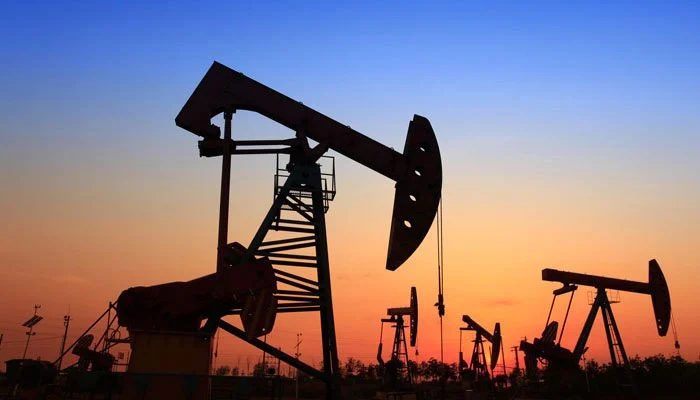
Islamabad: Pakistan has achieved a significant breakthrough in its energy sector with the discovery of substantial oil and gas reserves in the Khairpur district of Sindh. The discovery, made by Oil and Gas Development Company Limited (OGDCL) at the Bettarsim East-1 well, is being hailed as a major step toward reducing the country’s dependency on energy imports and achieving long-term self-reliance.
According to the OGDCL spokesperson, the newly discovered reserves are expected to produce 22.5 million cubic feet of natural gas per day, along with approximately 690 barrels of crude oil daily. This significant addition to the domestic energy supply is likely to ease the strain on Pakistan’s growing energy demands.
The Bettarsim East-1 well, drilled to a depth of 3,800 meters, commenced on June 30, 2025. Early geological surveys had indicated the presence of promising hydrocarbon deposits, which have now been confirmed through successful extraction tests.
Energy analysts suggest that this discovery could potentially save Pakistan billions of dollars in foreign exchange annually, currently spent on importing oil and gas. In addition to improving the country’s current account balance, the reserves are expected to contribute to economic stability and enhance investor confidence in Pakistan’s energy sector.
Terming the find a game-changer, OGDCL officials stated that it could significantly narrow the gap between supply and demand and provide a much-needed boost to local production amid ongoing energy challenges.
Experts believe that with the application of modern extraction technologies, sound policy-making, and timely investments, this discovery could become a cornerstone for energy transformation in Pakistan. Not only does it offer the promise of energy security, but it also signals new opportunities for both local and international investors.
If developed efficiently, these reserves could mark the beginning of a sustainable shift in Pakistan’s energy dynamics, aligning with the country’s long-term vision of self-sufficiency and economic resilience.
Industry experts emphasize that the government must now prioritize energy sector reforms that encourage transparency, investor-friendly policies, and innovation. Public-private partnerships, particularly in the domains of technology transfer, exploration, and infrastructure development, will be crucial in unlocking the full potential of such discoveries.
The Khairpur discovery stands as a symbol of renewed hope for Pakistan’s energy future, and if leveraged strategically, it could help reshape the country’s economic landscape for generations to come.