

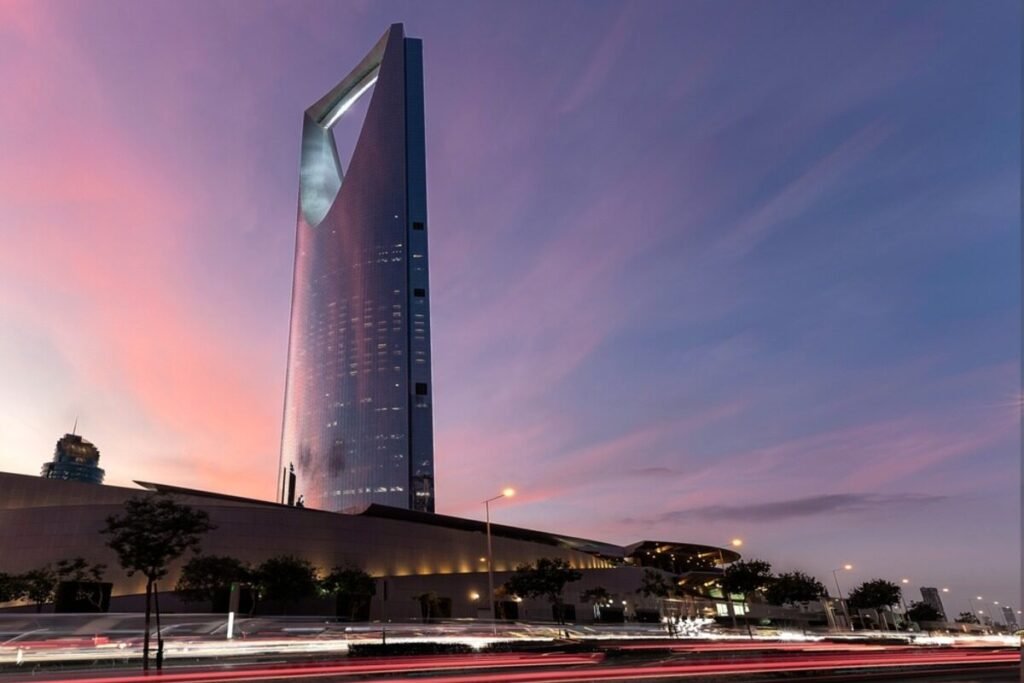
Saudi Arabia is rapidly shaping a new economic identity, steering its development path away from oil dependency and toward a diversified, sustainable, and innovation-driven model. Over the coming decade, the Kingdom is expected to maintain non-oil growth between 4.5 and 5.5 percent annually — a sign that its Vision 2030 reforms are progressing in full force and beginning to reshape the economic landscape across every sector.
Analysts believe that this steady growth reflects Saudi Arabia’s growing ability to attract foreign investment, promote industrial modernization, and strengthen partnerships between public and private sectors.
This transformation marks one of the most significant shifts in the Kingdom’s economic history, as it continues to reduce its reliance on oil revenues while fostering private sector leadership in areas such as manufacturing, logistics, tourism, finance, and technology.
Experts note that the country’s financial system has witnessed a remarkable surge in credit demand, largely fueled by massive Vision 2030 projects. As new industries emerge and infrastructure projects expand, the need for financing has outpaced the traditional growth of domestic deposits in local banks.
In response, Saudi banks are increasingly exploring diversified funding sources, including capital market instruments, syndicated loans, and international partnerships. This transition, however, also requires strong risk management frameworks to ensure stability amid global market fluctuations.
As the government maintains its strategic spending on development initiatives, national debt levels are expected to increase moderately — rising to nearly 36 percent of GDP from an estimated 26 percent by the end of 2024.
Despite this increase, economic experts emphasize that the debt ratio remains sustainable, especially when compared with international standards. The long-term vision focuses on creating a self-sufficient, resilient, and innovative economy capable of absorbing market shocks while continuing to deliver prosperity for citizens.
Saudi Arabia’s Public Investment Fund (PIF) continues to play a central role in the early stages of this economic diversification. Through large-scale investments in technology, energy transition, logistics, and entertainment, the PIF has acted as a catalyst for economic expansion.
However, as Vision 2030 enters its next phase, a greater emphasis is being placed on empowering the private sector to take the lead in driving innovation and job creation. The expansion of public-private partnerships has opened doors for domestic entrepreneurs and foreign investors alike, providing new momentum to the Kingdom’s economic transformation.
In tandem, the Saudi Central Bank (SAMA) is adopting precautionary measures to safeguard financial stability. With banks now relying more on external funding sources, SAMA is expected to implement an additional one percent capital buffer over the next year to mitigate potential risks arising from global volatility.
This proactive stance demonstrates the Kingdom’s commitment to balancing growth with fiscal prudence, ensuring that progress is both dynamic and secure.
At the same time, Saudi Arabia’s non-oil sector expansion is accompanied by strong growth in services, tourism, and digital transformation. The tourism industry, in particular, is witnessing record-breaking numbers, driven by new visa reforms, luxury hospitality projects, and cultural initiatives aimed at positioning Saudi Arabia as a global destination.
Meanwhile, the technology and startup ecosystems are expanding rapidly, supported by government-led innovation hubs and venture capital funding that encourage youth entrepreneurship and digital inclusion.
The insurance and financial sectors have also experienced accelerated growth, reflecting broader confidence in the Kingdom’s economic direction.
However, this rapid expansion presents managerial and regulatory challenges that demand enhanced governance, risk assessment, and long-term oversight. Authorities are therefore intensifying efforts to ensure that financial institutions maintain transparency, resilience, and customer trust amid these evolving conditions.
Saudi Arabia’s long-term economic model seeks to establish a balance between efficiency and equity — ensuring that growth translates into tangible improvements in citizens’ quality of life.
Investments in healthcare, education, and housing continue to rise, while government reforms focus on empowering women, strengthening labor markets, and enhancing sustainability across all regions. The integration of environmental responsibility into development plans — through renewable energy projects and green finance — has also become a defining feature of the new Saudi economy.
This transformation not only redefines the Kingdom’s domestic economic priorities but also strengthens its global standing as a regional financial hub. By investing in innovation, human capital, and international cooperation, Saudi Arabia aims to position itself as a leading model of economic diversification and responsible modernization in the Middle East.
Observers note that these achievements reflect the determination of Saudi leadership to pursue a future that combines technological advancement with social progress. The country’s ability to maintain consistent growth amid fluctuating oil markets, geopolitical challenges, and global economic uncertainty demonstrates the resilience of its reform framework.
Ultimately, Saudi Arabia’s non-oil growth story represents more than just economic expansion — it signifies a transformative shift in mindset. It showcases how strategic vision, disciplined planning, and public-private collaboration can turn an oil-dependent economy into a dynamic, forward-looking nation ready to thrive in the global digital age.