

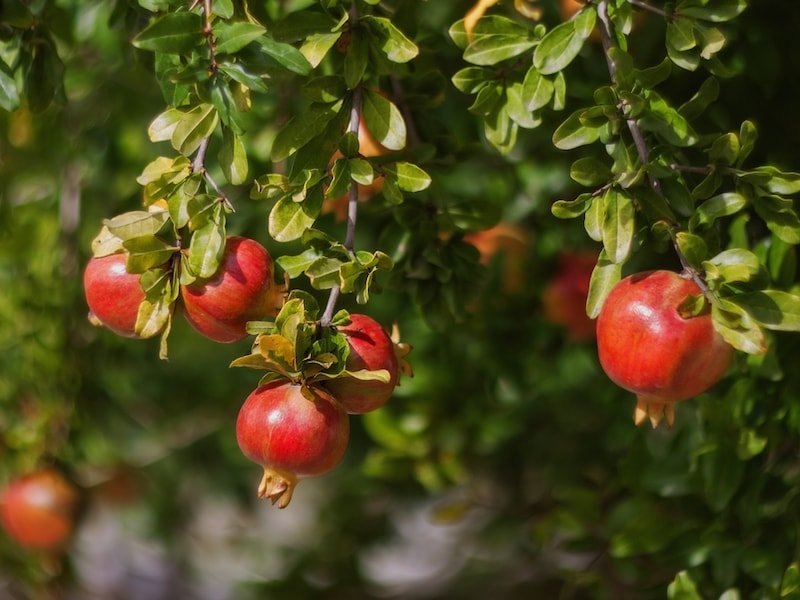
The Qassim region in Saudi Arabia is witnessing one of its most fruitful and abundant pomegranate seasons in recent years. Across its vast agricultural lands, stretching from major governorates to small villages, farmers are busy harvesting thousands of tons of the ruby-red fruit that has long symbolized both prosperity and resilience.
With total production surpassing 10,000 tons from over 100 farms, this year’s yield stands as a remarkable indicator of how far the region has come in modernizing its agricultural practices while preserving its traditional farming heritage.
According to local growers, the pomegranate harvest has evolved from a small-scale family tradition into a powerful economic activity that supports regional markets, creates jobs, and contributes to Saudi Arabia’s national food security. The fruit, once cultivated mainly for local use, now plays a growing role in export and agribusiness, attracting attention from both domestic traders and international buyers seeking high-quality produce.
Farmer Youssef Al-Rathi’i explained that while pomegranates are grown across many parts of the world, Saudi Arabia is home to at least eleven unique varieties, each associated with a particular region. The Qassim and Al-Baha areas are especially renowned for their rich, juicy, and vibrant varieties.
Al-Rathi’i noted that the pomegranate cultivation process requires patience and precision. The care season begins in March, when trees must be properly irrigated and fertilized, continuing through the summer until the fruits ripen by late September. The harvest season then extends until early December, depending on weather patterns and irrigation conditions.
The pomegranate tree, he said, needs constant attention during the hot summer months, as irregular watering or pest infestations can easily damage the crop. Farmers use a mix of traditional and modern agricultural techniques to protect their orchards — including natural pest repellents, soil management strategies, and controlled irrigation systems that ensure water efficiency.
National agricultural reports have shown that Saudi Arabia’s total pomegranate production now exceeds 37,000 tons annually, with the Qassim and Al-Baha regions playing a leading role. Al-Baha’s pomegranates, in particular, are known for their deep red color, rich sweetness, and long shelf life — qualities that make them highly competitive in both local and international markets.
The government, through agricultural development programs and research centers, continues to support farmers with technical training, modern irrigation technologies, and marketing initiatives to enhance productivity.
These programs aim to help farmers access larger markets, improve fruit quality, and ensure that their efforts contribute to the country’s broader goal of agricultural diversification and sustainability under Vision 2030.
Economically, pomegranate farming has become a lifeline for many small and medium-sized farmers. Beyond selling fresh fruit, growers are exploring new business opportunities in value-added products such as pomegranate juice, molasses, jams, and seed extracts. These processed goods not only increase profitability but also extend the crop’s shelf life, reducing waste and boosting exports.
However, the success of the industry is not without challenges. Agricultural experts warn that climate change, rising soil salinity, and declining water availability could threaten pomegranate yields in the coming decades. Some studies suggest that without sustainable irrigation methods and adaptive farming techniques, production could drop by up to 20–25% in certain regions. Farmers in Al-Baha and Qassim are already experimenting with soil rejuvenation practices, drip irrigation, and organic farming models to counter these risks.
In addition to environmental threats, logistical and market-related issues also affect growers. Transport costs, lack of advanced storage facilities, and limited access to international markets have been long-standing concerns. Experts emphasize that enhancing supply chain infrastructure and promoting Saudi pomegranates abroad can significantly strengthen the industry’s global standing.
The life cycle of a pomegranate tree adds another fascinating dimension to its importance.
Trees typically reach peak productivity between 15 and 20 years of age and can live for up to seven decades with proper care. This long lifespan makes the crop a stable and sustainable investment for farming families, provided they adopt efficient management and regular rejuvenation practices.
Overall, the pomegranate cultivation in Qassim is not merely an agricultural activity — it is a reflection of the region’s identity, perseverance, and growing role in Saudi Arabia’s sustainable food ecosystem.
The sight of farmers gathering ripe pomegranates under the soft autumn sun has become a symbol of both economic vitality and cultural pride. With continuous innovation, government support, and environmental awareness, Qassim’s pomegranate farms are poised to expand their reputation far beyond local markets, establishing themselves as one of the Kingdom’s most promising and enduring agricultural treasures.